
Moving Beyond the Tourist Corridor: Discovering the Real Gatlinburg

The Gatlinburg Most Visitors Never Discover – Unique Things To Do In Gatlinburg
Most visitors experience Gatlinburg from the Parkway.
They move between pancake houses, attractions, souvenir shops, and photo stops, joining the steady stream of vacationers that flows through town from morning until late evening. It’s fun, lively, and for many first-time visitors, exactly what they’re looking for.
But some of my favorite memories of Gatlinburg began the moment I turned away from the Parkway.
A few miles from the traffic lights, the town changes character. The storefronts give way to winding roads, the crowds thin out, and the Smokies begin to feel a little less like a tourist destination and a little more like the mountain community that existed long before tourism arrived.
I’ve spent enough time exploring the area to know that many visitors never see this side of Gatlinburg. They never wander through the Great Smoky Arts & Crafts Community, where artists still shape pottery, carve wood, and create paintings in working studios. They never follow the Little Pigeon River east toward Pittman Center, where quiet roads wind past churches, family homes, and stretches of mountain scenery that feel surprisingly untouched. And many never discover that some of the best views in the region can be found along the Foothills Parkway rather than at the attractions drawing the biggest crowds downtown.
What I appreciate most about Gatlinburg is its contrast. Within a matter of minutes, you can leave a busy sidewalk lined with attractions and find yourself standing beside a rushing creek, browsing a local artist’s workshop, or watching layers of blue ridges disappear into the distance. Few destinations offer such a dramatic shift between energy and solitude in such a short distance.
Over the years, I’ve learned that the experiences travelers remember longest are not always the ones they planned months in advance. Sometimes it’s the unexpectedly good sandwich from a locally owned restaurant. Sometimes it’s a conversation with an artisan who has spent decades perfecting a craft. Sometimes it’s a quiet overlook discovered while driving a road that wasn’t on the itinerary at all.
This guide is for travelers who want to experience that side of Gatlinburg.
We’ll explore scenic drives that many visitors overlook, historic sites that reveal the region’s Appalachian heritage, locally owned restaurants that rarely make the big tourism brochures, and hidden corners of the Smokies where the pace slows considerably. Along the way, I’ll share practical tips about timing, parking, and what makes each stop worth your time so you can decide which experiences fit your own travel style.
If you’re looking for the most popular attractions and classic first-time experiences, begin with our Things To Do In Gatlinburg guide. But if you’re ready to discover a quieter, more authentic side of the Smokies, let’s leave the Parkway behind for a while and explore the Gatlinburg that many visitors never see.
Quick Reference Guide: Find Your Perfect Unique Gatlinburg Experience
If you’re wondering where to begin, use this quick guide to match your interests with some of Gatlinburg’s most rewarding hidden gems. These aren’t necessarily the most famous attractions in town—but they’re often the ones visitors remember long after the trip is over.
| If You Want… | Go Here | Why It’s Worth Your Time | Local Tip |
|---|---|---|---|
| Handmade local art | Great Smoky Arts & Crafts Community | Meet working artisans and browse studios instead of souvenir stores. | Drive the loop on a weekday morning for the most relaxed experience. |
| A hidden waterfall | Cataract Falls | One of the easiest and most rewarding short walks in the national park. | Park at Sugarlands Visitor Center and arrive before tour buses become common. |
| A peaceful scenic drive | Foothills Parkway | Some of the best mountain views in East Tennessee. | Plan for at least half a day rather than treating it as a quick stop. |
| Historic mountain culture | Noah Bud Ogle Cabin | One of the best places to understand life in the Smokies before tourism arrived. | Pair it with a drive through Roaring Fork rather than rushing through both. |
| A unique museum | Salt & Pepper Shaker Museum | One of the quirkiest collections you’ll find anywhere in Tennessee. | Perfect for rainy afternoons downtown. |
| Local food away from chains | Tennessee Jed’s | A local favorite tucked away from the Parkway crowds. | Consider takeout and enjoy lunch beside the river or in the national park. |
| A romantic afternoon | Arts & Crafts Loop | Quiet roads, local shops, and a slower pace than downtown. | Stop for lunch at Fox & Parrot to turn it into a half-day outing. |
| A quiet picnic spot | Greenbrier Area | River access, picnic opportunities, and fewer visitors than many park locations. | Check current road conditions before heading out. |
| Sunset photography | Foothills Parkway Overlooks | Layer upon layer of Smoky Mountain ridges at golden hour. | Arrive 30–45 minutes before sunset for the best light. |
| Rainy-day exploration | Arrowmont & Local Galleries | Creative spaces that showcase Gatlinburg’s artistic heritage. | Many visitors overlook these entirely when bad weather arrives. |
My Personal Starting Point
If this is your first visit and you’re only choosing one experience from this list, I would begin with the Great Smoky Arts & Crafts Community.
The eight-mile loop feels like the opposite of the Parkway. Instead of circling parking garages and waiting in attraction lines, you’ll find studio driveways, working artists, and small businesses where the owner is often standing just a few feet away. It’s one of the easiest places in Gatlinburg to slow down and experience something that feels genuinely local.
For mountain scenery, the Foothills Parkway remains one of my favorite drives in the region. It’s not technically in downtown Gatlinburg, and you’ll want to dedicate several hours to the experience, but the reward is a series of mountain vistas that many visitors completely miss while focusing on the Parkway.
One piece of advice I often give travelers: don’t try to squeeze every item on this list into a single day. The visitors who enjoy these places the most are usually the ones who leave room for unexpected discoveries along the way.
Before heading out to explore Gatlinburg’s hidden corners, it helps to choose a lodging location that keeps you close to the experiences that matter most to you.

Bearskin Lodge on the River
Tucked near the entrance of Great Smoky Mountains National Park and just minutes from the Gatlinburg Convention Center and Space Needle, Bearskin Lodge on the River offers a cozy, nature-inspired retreat with modern comforts. Guests can relax by the firepit, enjoy a workout in the gym, or float the day away in the seasonal outdoor pool featuring a lazy river. Complimentary perks include free self-parking, in-room WiFi, and coffee or tea in the inviting lobby. Each of the 96 rooms is designed for comfort with premium bedding, air conditioning, flat-screen TVs, and convenient extras like refrigerators, microwaves, and coffee makers. With helpful staff, tour assistance, and a location that blends peaceful riverside views with downtown access, Bearskin Lodge is a favorite for travelers looking to experience the Smokies in style and comfort.
Check Availability
Courtyard by Marriott Gatlinburg Downtown
Set just off the Parkway on Airport Road, Courtyard by Marriott Gatlinburg Downtown offers a modern, convenient base for travelers who want to explore downtown Gatlinburg largely on foot. The hotel features contemporary rooms and suites, including balcony options, along with an indoor swimming pool, outdoor hot tub, fire pit, fitness center, and The Bistro for breakfast, evening meals, and drinks. Its location is particularly convenient for the Gatlinburg Convention Center and provides walkable access to restaurants, shops, the Space Needle, Ober Mountain Aerial Tramway, and many downtown attractions. On-site self-parking currently costs $15 per day, and breakfast is not complimentary, so both should be considered when comparing the total cost with nearby hotels. Courtyard also offers less Smoky Mountain character than Gatlinburg’s historic, riverfront, and resort-style properties. With its combination of modern accommodations, useful indoor amenities, Marriott Bonvoy participation, and downtown walkability, Courtyard is especially well suited to families, couples, convention visitors, and first-time travelers who want the hotel to serve as a comfortable base for exploring Gatlinburg and Great Smoky Mountains National Park.
Check Availablity
Fairfield Inn & Suites by Marriott Gatlinburg Downtown
Just steps from Ripley’s Aquarium of the Smokies, Gatlinburg Convention Center, and the Space Needle, Fairfield Inn & Suites by Marriott Gatlinburg Downtown offers a bright and modern stay in the heart of the action. Guests can enjoy a complimentary continental breakfast each morning, relax in the seasonal outdoor pool or hot tub, and unwind on the terrace or by the lobby fireplace. The hotel also features a fitness center, luggage storage, and convenient dry cleaning services. All 98 guest rooms come with premium bedding, air conditioning, free WiFi, and thoughtful extras like refrigerators, microwaves, and 50-inch LED TVs. Families will appreciate free infant and extra beds, while eco-conscious guests can take comfort in the use of LED lighting and recycling amenities. With rave reviews for its clean rooms, friendly staff, and walkable location, this Marriott property is a standout choice for your next Smoky Mountain getaway.
Buy Now
Gatlinburg River Inn
Just steps from Anakeesta, Ripley’s Aquarium of the Smokies, and SkyPark, Gatlinburg River Inn offers a relaxing stay with thoughtful amenities and scenic comfort. Guests enjoy a complimentary continental breakfast each morning, along with access to a seasonal outdoor pool, children’s pool, and a riverside terrace complete with firepit and hot tub for winding down after a day of exploring. Free in-room WiFi, self-parking, and laundry facilities make your stay even more convenient. The 58 guest rooms feature balconies, mini-fridges, microwaves, and air conditioning, with clean, comfortable spaces that reviewers consistently praise. With a 24-hour front desk, vending machines, and a smoke-free setting, Gatlinburg River Inn is a well-rounded choice for both families and couples looking to stay close to the action in downtown Gatlinburg.
Buy Now
Gatlinburg Town Square By Exploria Resort
Gatlinburg Town Square by Exploria Resorts places you right where the action is, just a short 10-minute stroll from top attractions like the Gatlinburg Convention Center and the Space Needle. Whether you’re looking to stay active at the fitness center or make a splash in the indoor or seasonal outdoor pools, this eco-certified resort has you covered. Kids will love their own dedicated pool, while adults can relax and unwind in the hot tub. Guests frequently rave about the welcoming staff and prime location.
Buy Now
Hampton Inn Gatlinburg Historic Nature Trail
Set just uphill from downtown on Historic Nature Trail, Hampton Inn Gatlinburg Historic Nature Trail offers a quieter base while keeping the Parkway within walking distance. The recently renovated hotel includes complimentary hot breakfast, free Wi-Fi, a heated indoor pool, connecting rooms, pet-friendly accommodations, EV charging, and a relaxing outdoor fire-pit area. A Gatlinburg Trolley stop is right outside, while the Convention Center and W.L. Mills Conference Center are nearby. Self-parking currently costs $15 per day. It is best suited to families, couples, convention visitors, and travelers who want convenient access to both downtown Gatlinburg and Great Smoky Mountains National Park without staying directly on the Parkway.
Check Availability Now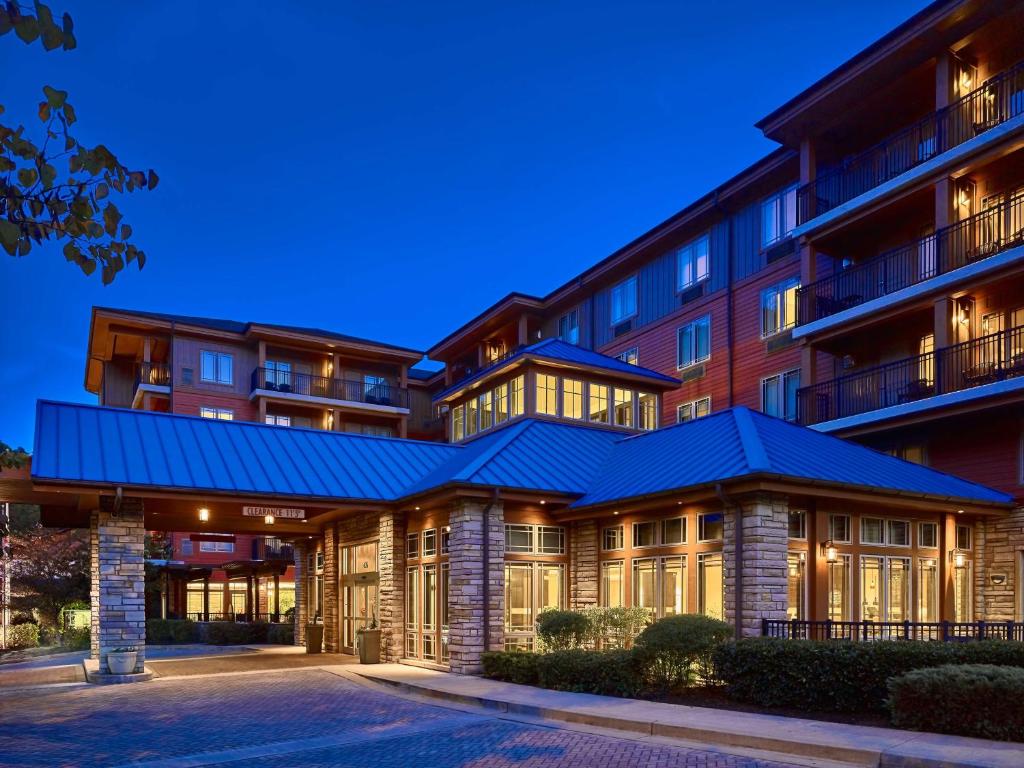
Hilton Garden Inn Gatlinburg
This pet-friendly, smoke-free hotel features free WiFi, an indoor pool and hot tub, on-site dining at the Garden Grille with a bar and happy hour, a fitness center, family-friendly amenities like in-room microwaves and refrigerators, free parking (including accessible options), cooked-to-order breakfast, a business center with over 1,100 sq ft of meeting space, laundry facilities, and convenient access to golf, tennis, hiking, and skiing, all in a five-story building built in 2009 with extensive accessibility features throughout.
Book Now
Historic Rocky Waters Inn
Newly remodeled in 2024, Historic Rocky Waters Inn, A Small Luxury Hotel offers upscale comfort just steps from Ripley’s Aquarium of the Smokies, Anakeesta, and SkyPark. This boutique retreat blends modern elegance with Gatlinburg charm, featuring a scenic terrace, outdoor entertainment space, and a cozy bar. Guests can enjoy breakfast or dinner at the on-site restaurant, The Heirloom Room, and stay connected with free in-room WiFi. Additional perks include free self-parking, concierge service, and express check-in/check-out for added convenience. Each guestroom is thoughtfully designed with premium bedding, air conditioning, and bathrobes, plus modern touches like 50-inch flat-screen TVs, workspaces, and balconies. With glowing reviews for its walkable location and attentive service, this small luxury stay is perfect for travelers seeking both style and substance in the Smokies.
Check Availability
Margaritaville Resort
Conveniently situated in the Gatlinburg part of Gatlinburg (TN), this property puts you close to attractions and interesting dining options. This 4-star property is packed with in-house facilities to improve the quality and joy of your stay.
Buy Now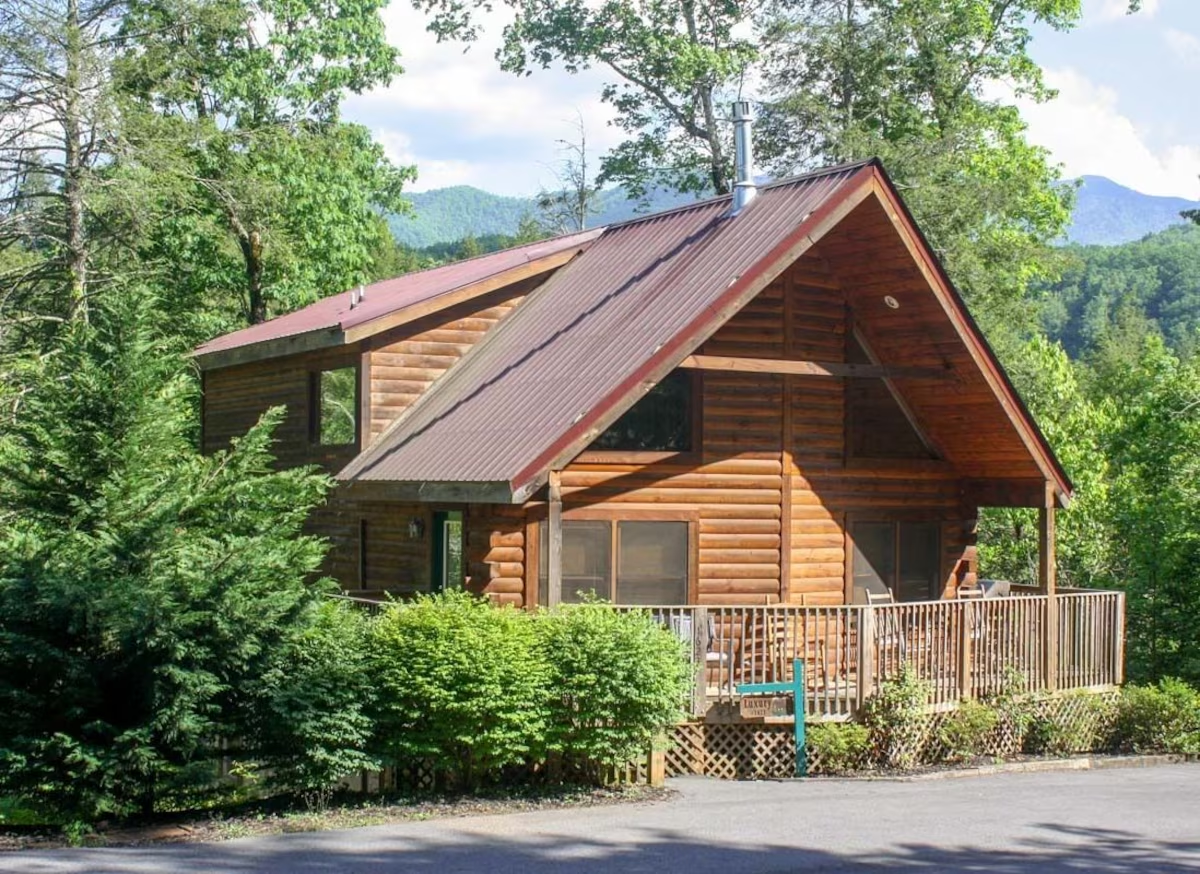
Mountain Shadow Resort & Rentals
Experience rustic luxury in the heart of the Smokies at Mountain Shadows Resort Rentals, where charming log cabins meet modern convenience. Whether you're planning a romantic honeymoon or a lively family reunion, this resort offers spacious accommodations complete with hot tubs, fireplaces, fully equipped kitchens, game rooms, and even gas/electric grills for cookouts under the stars. Guests can enjoy on-site amenities like a seasonal swimming pool, children’s playground, free high-speed WiFi, and pet-friendly options—making it easy for everyone to feel at home. Nestled adjacent to the Great Smoky Mountains National Park and conveniently located near the Gatlinburg trolley line, you're never far from scenic hikes, mountain views, and local attractions. While the resort holds an average rating of 3.1, many guests appreciate its peaceful setting and unique log-home atmosphere. With family rooms, non-smoking options, and features like whirlpool tubs and fireplaces, Mountain Shadows Resort invites you to unwind, explore, and make lasting memories in one of Gatlinburg’s most scenic spots.
Buy Now
River Edge Inn
Conveniently located near the Gatlinburg Convention Center, Gatlinburg Space Needle, and Ripley's Believe It or Not Museum, River Edge Inn offers a welcoming stay just steps from the action. Guests can start their day with a complimentary to-go breakfast, relax on the terrace, or unwind by the cozy lobby fireplace. The hotel features a seasonal outdoor pool and children’s pool with sun loungers, as well as a snack bar/deli, free self-parking, and high-speed in-room WiFi (50+ Mbps). Each guestroom is equipped with premium bedding, air conditioning, a private balcony, and essentials like a microwave, refrigerator, and 32-inch TV with premium channels. Families will appreciate extras like hypoallergenic bedding and available cribs, while guest reviews consistently praise the helpful staff and clean, comfortable rooms. Whether you're here for business or a mountain getaway, River Edge Inn delivers easy comfort in a prime downtown location.
Buy Now
River Terrace Resort and Convention Center
Just steps from Ripley’s Aquarium of the Smokies, Anakeesta, and SkyPark, River Terrace Resort & Convention Center offers comfort, convenience, and a touch of Southern hospitality in the heart of Gatlinburg. Guests enjoy a complimentary to-go breakfast each morning and can take advantage of an outdoor pool, free self-parking, and practical amenities like laundry facilities and a business center. The resort also offers concierge service, tour assistance, and express check-out to make your stay hassle-free. Each of the 205 rooms is equipped with air conditioning, flat-screen TVs, in-room safes, and free WiFi, along with bathrooms that feature hydromassage showers or tubs. With high marks for its friendly staff and central location, River Terrace is an ideal base for exploring the Smokies or attending events downtown.
Buy Now
Sidney James Mountain Lodge
Set against the scenic backdrop of the Smoky Mountains, Sidney James Mountain Lodge offers a warm, family-friendly retreat just minutes from Gatlinburg’s top attractions. Guests enjoy free WiFi, cozy rooms with flat-screen TVs, in-room coffee, air conditioning, and private balconies in select accommodations. Relax in style with access to three outdoor pools, a serene indoor pool, a kids' pool, and a soothing sauna—perfect after a day of exploring. On-site free parking adds convenience, while the Poolside Café, serving breakfast and lunch, makes grabbing a bite easy. Located near beloved local art galleries like Fowler’s Clay Works and the Great Smoky Arts & Crafts Community, Sidney James is more than just a place to stay—it’s a gateway to the charm and adventure of Gatlinburg. Pet-friendly and offering a variety of room types including suites, it’s a comfortable, value-rich option for families, couples, and explorers alike.
Book Now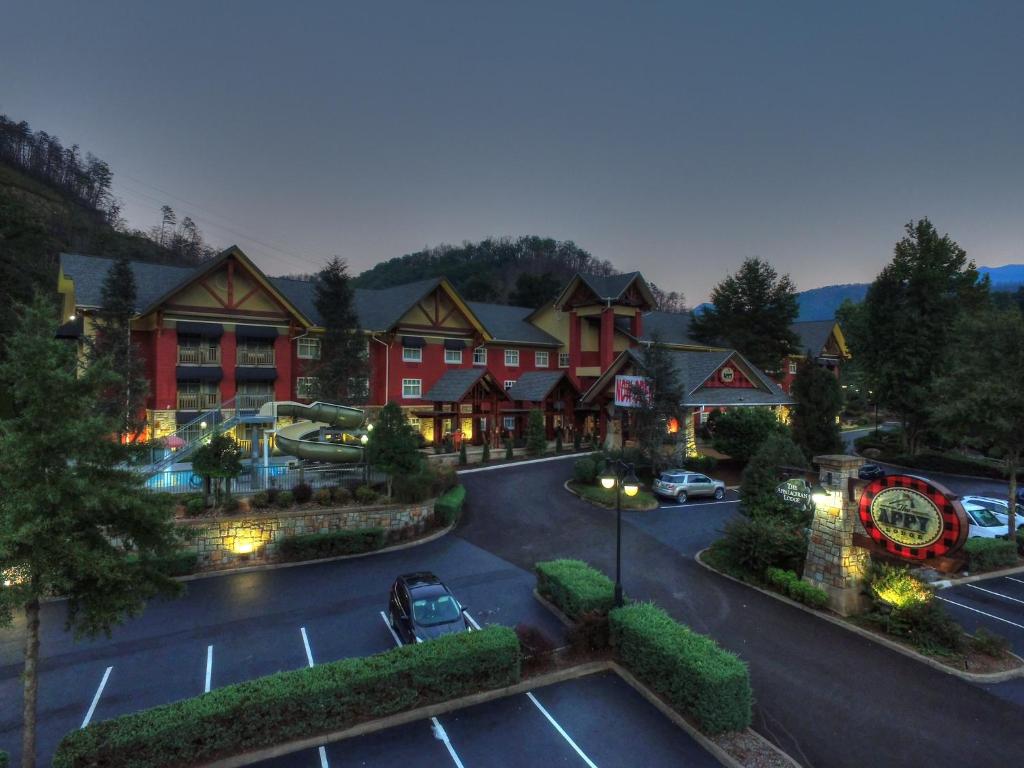
The Appy Lodge
Just a short distance from Anakeesta, Ripley’s Aquarium of the Smokies, and Ole Smoky Moonshine Distillery, The Appy Lodge offers a charming blend of comfort and convenience in the heart of Gatlinburg. Guests can unwind in the hot tub, enjoy a swim in either the seasonal outdoor pool or indoor pool, and stay active at the on-site gym. The hotel also features a terrace, business center, gift shop, and free self-parking. Each of the 101 rooms is designed with guest comfort in mind, offering premium bedding, air conditioning, free WiFi, and thoughtful amenities like flat-screen TVs, mini fridges, and microwaves. With laundry facilities, 24-hour front desk service, and tour assistance available, The Appy Lodge delivers a relaxed, welcoming stay just minutes from the area’s top attractions.
Buy Now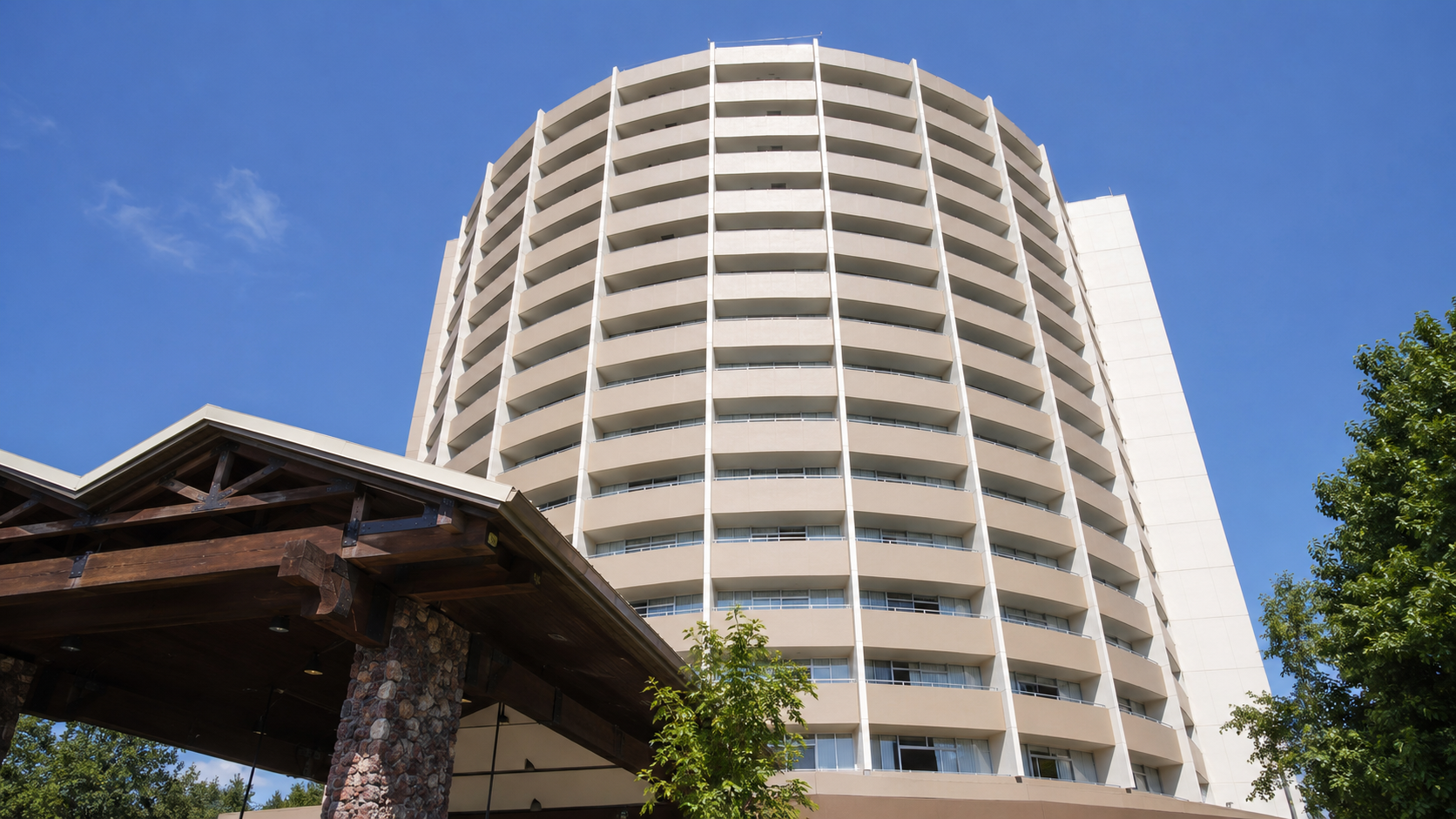
The Park Vista
Rising above downtown Gatlinburg on Cherokee Orchard Road, The Park Vista offers a quieter hillside stay with sweeping city and Smoky Mountain views. Families can enjoy the multi-level indoor pool complex with waterslides, a children’s area, and whirlpool, while several on-site dining options make breakfast, coffee, drinks, and relaxed evening meals convenient. Guest rooms include king, two-queen, and double-king configurations, with select rooms offering balconies and designated mountain or city views. Complimentary Wi-Fi, Hilton Honors benefits, connecting-room options, and a free Gatlinburg trolley stop at the hotel add practical value. Breakfast and self-parking cost extra, so compare the complete rate before booking. With its distinctive circular tower, full-service amenities, and separation from the Parkway crowds, The Park Vista is especially well suited to families, couples, and national park visitors who value scenery over immediate downtown walkability.
Check Availability Now
Greystone Lodge on the River
Set beside the river in the heart of downtown Gatlinburg, Greystone Lodge on the River offers an exceptionally convenient base beside Ripley’s Aquarium of the Smokies and just across the Parkway from Anakeesta. Guests receive complimentary breakfast, free self-parking, free Wi-Fi, and access to a seasonal heated outdoor pool with a waterslide. Every room includes a balcony or ground-floor patio, while selected riverfront rooms and suites add water views, fireplaces, soaking tubs, or family-friendly sleeping arrangements. A trolley stop at the hotel entrance provides another easy way to explore town. Greystone does not offer an indoor pool, spa, or on-site restaurant, and not every room overlooks the river, so check the exact room category before booking. With its walkable location, included essentials, and relaxed riverfront setting, Greystone is especially well suited to families, couples, and first-time visitors who want to leave the car parked and spend their holiday exploring Gatlinburg.
Check Availability Now
Embassy Suites by Hilton Gatlinburg Resort
Set less than half a mile from downtown Gatlinburg, Embassy Suites by Hilton Gatlinburg Resort offers a modern, family-focused stay near the Great Smoky Mountains National Park. Guests receive complimentary made-to-order breakfast, free Wi-Fi, and access to the nightly Evening Reception. Spacious accommodations, an indoor pool, and a seasonal outdoor pool complex with a lazy river and waterslide make the resort particularly appealing to families planning a multi-night stay. An on-site restaurant, bar, fitness centre, and pet-friendly rooms add further convenience. Embassy Suites is not directly on the Parkway, however, and the uphill return from downtown may prove tiring for young children or travellers with limited mobility. On-site self-parking also carries a nightly charge, while the lazy river and waterslide are seasonal. With its additional living space, included breakfast, and unusually strong pool facilities, Embassy Suites is best suited to families and larger groups who will use the amenities enough to justify the higher total price.
Check Availability Now
Old Creek Lodge
Set along a mountain stream on River Road, Old Creek Lodge offers a comfortable base between downtown Gatlinburg and the entrance to Great Smoky Mountains National Park. Every room includes a private stream-facing balcony, gas fireplace, mini-refrigerator, microwave, and Keurig coffee maker, giving the property more character and practicality than a typical downtown hotel. Guests also receive complimentary continental breakfast, free Wi-Fi, free on-site parking, and access to a heated seasonal outdoor pool. The western Parkway, Ober Mountain Aerial Tramway, and several restaurants and attractions are within walking distance, although destinations near Ripley’s Aquarium and Anakeesta require a longer stroll. Old Creek Lodge does not offer an indoor pool, restaurant, bar, spa, or extensive resort facilities, and pets are not permitted. Whirlpool tubs are available only in selected Spa room categories. With its creekside balconies, fireplaces, convenient location, and consistently strong guest feedback for cleanliness and service, Old Creek Lodge is particularly well suited to couples, small families, and park-focused travelers who prefer room atmosphere and walkability over resort-style extras.
Check Availability Now
The Historic Gatlinburg Inn
Set directly on the Parkway in the heart of downtown, The Historic Gatlinburg Inn offers a characterful base beside Gatlinburg SkyPark and across from the Gatlinburg Space Needle. Guests receive a complimentary Southern hot breakfast, free Wi-Fi, free on-site parking, and access to a seasonal outdoor pool, along with inviting common areas featuring fireplaces, historic photographs, puzzles, and porch rocking chairs. Room layouts vary considerably, with options ranging from traditional standard rooms to corner rooms with wraparound balconies, family suites, parlor arrangements, Presidential Suites, and Room 388, where “Rocky Top” was written. Standard rooms do not automatically include a mini-refrigerator, microwave, or balcony, so guests should confirm the exact category before booking. The inn does not offer an indoor pool, hot tub, spa, fitness centre, full-service restaurant, or bar, and pets are not permitted. With its exceptional walkability, included parking and breakfast, authentic Gatlinburg history, and frequently praised hospitality, The Historic Gatlinburg Inn is particularly well suited to couples, families, music enthusiasts, and repeat visitors who value independent character over modern resort-style amenities.
Check Availability Now
Hilton Garden Inn Gatlinburg
Set on River Road just off the busier Parkway, Hilton Garden Inn Gatlinburg offers a comfortable, walkable base near downtown and the Great Smoky Mountains. Rooms include microwaves, mini-refrigerators, and coffee makers, while selected categories add balconies, fireplaces, whirlpool tubs, or additional suite space. Guests also have access to an indoor saltwater pool, outdoor hot tub, courtyard fire pit, fitness center, and The Garden Grille & Bar. The hotel welcomes pets for an additional fee and participates in Hilton Honors. Breakfast is available but generally not complimentary, and on-site self-parking currently costs extra. It is best suited to couples and families who value dependable branded comfort and a slightly quieter downtown location.
Check Availability Now
Hampton Inn Gatlinburg
Set along LeConte Creek at 967 Parkway, Hampton Inn Gatlinburg offers a convenient downtown base near restaurants, attractions, and the Great Smoky Mountains. Rooms include mini-refrigerators, microwaves, and coffee makers, while selected categories add private balconies, creek views, or fireplaces. Guests also have access to complimentary hot breakfast, free Wi-Fi, an outdoor pool, hot tub, and fitness center. The hotel welcomes dogs and cats for an additional fee and participates in Hilton Honors. Covered parking is available, although on-site self-parking currently costs extra. It is best suited to couples, families, pet owners, and park visitors who value excellent Parkway walkability and a creek-side setting more than extensive resort-style amenities.
Check Availability Now
Hotel Indigo
Hotel Indigo Gatlinburg Downtown brings a more modern, boutique feel to the edge of downtown, with 136 rooms and a location that keeps restaurants and attractions within walking distance. Its standout feature is the seasonal heated rooftop infinity pool, joined by mountain views, a pool bar, and Altitude Restaurant & Rooftop Bar. Guests also have a lobby café serving Starbucks, fitness center, free Wi-Fi, EV charging, and dog-friendly accommodations. Self-parking currently costs $15 per day, and the rooftop pool operates seasonally from April 15 through October 31. It is best suited to couples and short-stay visitors who value walkability, contemporary rooms, and a rooftop atmosphere over the extra space and privacy of a cabin.
Check Availability Now


Explore the Great Smoky Arts & Crafts Community
If you only have time for one truly unique experience in Gatlinburg, make it the Great Smoky Arts & Crafts Community.
Located along an eight-mile network of roads that includes Glades Road and Buckhorn Road, this collection of studios, galleries, workshops, and locally owned businesses feels completely different from downtown Gatlinburg. The Parkway is built around attractions, restaurants, and entertainment. The Arts & Crafts Community is built around people making things.
That’s what makes it special.
Many visitors spend their entire vacation within a few blocks of the Parkway and never realize that one of the most authentic experiences in the Smokies is only a short drive away. Here you’ll find potters shaping clay, woodworkers creating furniture, painters capturing Smoky Mountain landscapes, and artisans practicing skills that have been passed down through generations.
Just as important, you’ll find something that can be surprisingly difficult to locate in Gatlinburg during peak season: room to slow down.
Unlike downtown, where parking garages can fill quickly and traffic often moves at a crawl, most studios offer free parking directly outside their shops. Instead of spending time searching for a place to park, you can pull into a driveway, step inside, and start a conversation with the person who actually created the work you’re looking at.
Why This 8-Mile Loop Feels Like Old Gatlinburg
The Arts & Crafts Community has been part of Gatlinburg’s identity for decades and remains one of the largest groups of independent artisans in North America. While much of modern Gatlinburg evolved around tourism growth, this area continues to focus on craftsmanship, creativity, and small local businesses.
What I appreciate most is that the experience feels personal.
Many of the artists work only a few feet from where their creations are displayed. It isn’t unusual to watch pottery being glazed, see wood being carved, or talk directly with an artist about a piece that catches your attention. That connection between visitor and maker is becoming increasingly rare in tourist destinations.
The area also provides a glimpse into a side of Gatlinburg that existed before large attractions, chain restaurants, and souvenir superstores became common. The roads wind through wooded hillsides, small businesses sit beside family homes, and the pace feels noticeably slower than downtown.
Meet the Makers Behind the Crafts
One of the joys of exploring the loop is seeing how many different forms of craftsmanship still thrive here.
Potters remain among the most recognizable artisans in the community, creating everything from decorative pieces to everyday kitchenware. Woodworkers transform local hardwoods into furniture, signs, bowls, and handcrafted gifts. Painters capture mountain vistas, wildlife, and scenes inspired by life in the Smokies.
You’ll also discover leather workers crafting belts, wallets, and bags, along with candle makers producing seasonal scents and handmade products that often fill their shops with inviting aromas.
Even travelers who have no intention of buying anything often find themselves lingering longer than expected. Watching skilled artisans work provides an experience that feels increasingly uncommon in a world dominated by mass production.
Best Stops Along the Loop
Alewine Pottery
Alewine Pottery is often where I suggest first-time visitors begin.
The studio has earned a strong reputation for handcrafted pottery, and visitors frequently have the opportunity to see pieces being created while they browse.
Why It’s Unique
This is a working pottery studio, not simply a retail shop. The focus remains on craftsmanship rather than volume.
Best For
Travelers looking for authentic handmade gifts, functional pottery, or a chance to watch artisans at work.
Local Tip
Begin your loop here and travel clockwise. Most of the community’s major stops will appear on your right-hand side, making it easier to pull into parking areas without constantly crossing traffic.
Buie Pottery
Buie Pottery offers another excellent introduction to the area’s pottery traditions.
Why It’s Unique
The studio reflects a long-standing connection to Appalachian craftsmanship and showcases work that feels rooted in the Smoky Mountains rather than designed for mass tourism.
Best For
Visitors interested in traditional pottery techniques and handcrafted art.
Local Tip
Take your time here. Some of the most interesting details are easy to miss if you’re rushing through.
The Fox & Parrot Tavern
After several studio visits, The Fox & Parrot Tavern provides a welcome place to slow down and enjoy a meal.
Why It’s Unique
A British-style pub isn’t something most travelers expect to find in the Smokies, which makes it one of the more memorable dining stops in the area.
Best For
Couples, leisurely lunches, and anyone wanting a break from Parkway crowds.
Local Tip
Always verify current operating hours before visiting, especially early in the week. The tavern’s schedule can vary seasonally, and it is not always open every day.
Cliff Dwellers Gallery
Cliff Dwellers Gallery has long been one of the anchors of the Arts & Crafts Community.
Why It’s Unique
The gallery features a wide range of regional artists and offers one of the best overviews of the artistic talent found throughout the Smokies.
Best For
Art enthusiasts, collectors, and visitors looking to appreciate regional artwork without visiting dozens of individual studios.
Local Tip
Even if you aren’t planning to purchase artwork, spend time exploring the exhibits. It provides valuable context for understanding the creative culture that continues to thrive in the Smokies.
Planning Your Visit
If you’re only spending half a day in the Arts & Crafts Community, start at Alewine Pottery and drive the loop clockwise. The route is easier to navigate, parking tends to be simpler, and you’ll encounter many of the area’s most respected artisans before afternoon traffic begins to build.
During peak fall foliage season and busy summer weekends, consider using the Gatlinburg Trolley service if available for your route. It can remove much of the stress associated with driving and parking while allowing you to focus on the experience itself.
Most importantly, don’t approach the Arts & Crafts Community like a checklist.
Leave room for unexpected discoveries. Pull into the studio that wasn’t on your itinerary. Talk with the artist. Browse the gallery that catches your eye. In my experience, those unplanned stops are often what make this part of Gatlinburg so memorable.
Eat Somewhere Most Tourists Walk Past
One of the easiest ways to discover a different side of Gatlinburg is to change where you eat.
Many visitors naturally gravitate toward the restaurants they see first along the Parkway. Some are excellent. Others are simply convenient after a long day of sightseeing. But if you spend enough time exploring Gatlinburg, you begin to notice that some of the town’s most memorable meals happen a block off the main strip, tucked inside quieter corners of town, or hidden along roads that many visitors never travel.
What these restaurants share is a focus on repeat customers rather than passing tourist traffic. They’re places that have built loyal followings because they offer something distinctive, whether that’s a unique menu, a strong connection to local traditions, or simply a dining experience that feels less commercial than many of the larger establishments downtown.
If you’re looking for meals that help you experience a more authentic side of Gatlinburg, these are some of the first places I’d recommend.
Tennessee Jed’s
Tennessee Jed’s sits just off the main flow of Parkway traffic, tucked away enough that many visitors walk right past it. That’s a shame because it has become one of the most consistently recommended lunch spots in Gatlinburg among people who spend a lot of time in town.
Why It Stands Out
Unlike many restaurants that try to offer a little bit of everything, Tennessee Jed’s focuses on doing a smaller menu exceptionally well. The atmosphere is casual, the service is efficient, and the food feels more like something you’d discover in a local neighborhood than in one of Tennessee’s busiest tourist destinations.
What I appreciate most is that it doesn’t feel designed around moving large crowds through the door. It feels like a place that earned its reputation one customer at a time.
What To Order
The Reuben remains the standout sandwich and has developed a loyal following among both locals and returning visitors. The Cubano is another favorite, particularly if you’re looking for something substantial before spending several hours in the national park.
Best For
- Quick lunches before entering Great Smoky Mountains National Park
- Visitors exploring downtown on foot
- Couples looking for a casual meal
- Travelers wanting something beyond standard tourist fare
Local Tip
Think of Tennessee Jed’s as a lunch destination rather than a dinner stop. Closing times are typically earlier than many Parkway restaurants, so don’t wait until late afternoon expecting a meal.
Parking can also be easier in one of the nearby city garages rather than searching for a street space. If you’re heading into the national park afterward, consider ordering your meal to go and enjoying it at Sugarlands Visitor Center or one of the park’s picnic areas.
New Orleans Sandwich Company
A short walk from some of Gatlinburg’s busiest sidewalks sits a restaurant that feels completely different from the surrounding dining scene.
Why It Stands Out
The New Orleans Sandwich Company fills a niche that few Gatlinburg restaurants attempt. Instead of focusing on Southern comfort food, pancakes, or barbecue, it specializes in Cajun and Creole-inspired dishes that are largely absent from the standard Smoky Mountain restaurant rotation.
For travelers who visit Gatlinburg regularly, it’s often the restaurant they discover after they’ve already tried many of the area’s more famous establishments.
What To Order
Po’ Boys remain among the most popular menu items and provide an excellent introduction to the restaurant’s New Orleans influence. Seafood dishes and Cajun-inspired specialties are also frequently recommended by returning customers.
Best For
- Food lovers looking for something different
- Repeat visitors seeking a break from traditional tourist fare
- Casual lunches and dinners
- Travelers who enjoy regional American cuisines
Local Tip
If you’ve already enjoyed your share of pancakes, country breakfasts, barbecue, and Southern comfort food during your trip, this restaurant offers one of the most refreshing changes of pace you’ll find in Gatlinburg.
Split Rail Eats
Located within the Great Smoky Arts & Crafts Community, Split Rail Eats is one of those places many visitors never discover simply because they never venture far enough beyond the Parkway.
Why It Stands Out
Part of the appeal is its location. While downtown restaurants often cater to large crowds, Split Rail Eats feels connected to the slower pace of the Arts & Crafts Community.
The atmosphere is relaxed, the surroundings are quieter, and the experience fits naturally into a day spent exploring artisan studios, galleries, and workshops.
What To Order
Menus evolve over time, but sandwiches, comfort-food favorites, and daily specials often attract the most attention. It’s the type of restaurant where checking the specials board is usually worthwhile.
Best For
- Lunch during an Arts & Crafts Community visit
- Families exploring the loop
- Couples seeking a quieter dining experience
- Travelers avoiding Parkway crowds
Local Tip
Instead of driving back downtown for lunch, make Split Rail Eats part of your Arts & Crafts Community experience. It saves time, reduces driving, and allows you to stay immersed in one of Gatlinburg’s most authentic areas.
Smoky Mountain Trout House
If there’s one meal that feels especially connected to the Smokies themselves, it’s mountain trout.
Why It Stands Out
Smoky Mountain Trout House has built much of its reputation around serving one of the region’s most recognizable foods. While many restaurants offer broad menus designed to satisfy everyone, this restaurant leans heavily into a food tradition that has long been associated with the mountains.
For visitors interested in experiencing a meal that feels rooted in local culture, it’s one of the most distinctive dining stops in Gatlinburg.
What To Order
The trout is unquestionably the star of the menu. Whether grilled, fried, blackened, or prepared another way, it’s the dish that draws most visitors through the door.
Best For
- First-time visitors seeking a regional specialty
- Travelers interested in Appalachian food traditions
- Family dinners
- Relaxed sit-down meals after a day of sightseeing
Local Tip
Unlike Tennessee Jed’s, this is best approached as a sit-down lunch or dinner destination rather than a quick meal. If you’ve spent the day hiking, driving scenic roads, or exploring the national park, it makes an excellent place to slow down and enjoy a more traditional Smoky Mountain dining experience.
Which Restaurant Fits Your Day?
If you’re planning a day inside Great Smoky Mountains National Park, Tennessee Jed’s may be the smartest lunch stop on this entire list. It’s quick, locally loved, and easy to work into an itinerary that includes Sugarlands Visitor Center, Newfound Gap Road, Roaring Fork Motor Nature Trail, or Cades Cove.
If you’re spending the day exploring the Arts & Crafts Community, Split Rail Eats fits naturally into the experience and keeps you from wasting time driving back toward downtown.
For travelers wanting a uniquely Smoky Mountain meal, Smoky Mountain Trout House delivers one of the region’s classic dining experiences. And if you’re simply looking for something different from the typical Gatlinburg menu, New Orleans Sandwich Company offers a welcome change of pace.
For even more local dining recommendations, hidden gems, breakfast favorites, and regional specialties, be sure to visit our Gatlinburg Restaurants Guide.
Drive the Quiet Side of Gatlinburg
While downtown traffic often dictates the pace of the Parkway, these roads allow you to set your own speed.
One of the things I’ve come to appreciate about the Smokies is that some of the best experiences happen between destinations rather than at them. A scenic drive here isn’t simply transportation. It’s an opportunity to see mountain communities, rivers, forests, and landscapes that many visitors never experience because they’re focused on reaching the next attraction.
If you’re willing to leave the Parkway behind for a few hours, these routes reveal a quieter and often more authentic side of the region.
The Foothills Parkway
If I could recommend only one scenic drive to travelers looking for dramatic mountain views without the crowds of Newfound Gap Road, it would be the Foothills Parkway.
It’s important to understand one thing from the start: this is not a quick detour from downtown Gatlinburg. The Foothills Parkway is located west of the city near Wears Valley and Walland. Depending on traffic and where you’re staying, simply reaching the parkway can take 40 to 50 minutes.
Why It’s Different
The Foothills Parkway was designed specifically for scenery.
Unlike many roads in Great Smoky Mountains National Park that connect major destinations, the parkway exists almost entirely for the views. There are no commercial developments, no attractions competing for attention, and relatively few reasons to rush.
From many overlooks, you can see long stretches of the Great Smoky Mountains crestline, with layers of ridges extending across the horizon. The road feels spacious, open, and remarkably peaceful compared to many of the national park’s more heavily traveled routes.
Best Overlooks
Several overlooks between Wears Valley and Walland provide outstanding opportunities for photography and sightseeing.
Rather than racing from one overlook to the next, I recommend stopping frequently and spending a few minutes at each one. Conditions can change dramatically depending on weather, cloud cover, and time of day.
Best Time To Visit
Sunrise and sunset remain the most rewarding times to drive the parkway.
Morning fog often settles into the valleys below, while evening light can create some of the most beautiful mountain photography conditions in East Tennessee.
Fall is spectacular, but it also attracts the largest crowds.
Local Tip
Treat the Foothills Parkway as a half-day excursion at minimum. Between travel time from Gatlinburg, multiple overlook stops, and the drive itself, most visitors will spend three to four hours enjoying the experience properly.
If you’re visiting during peak fall foliage season, avoid arriving late on Saturday mornings. Traffic can build significantly, especially around the most popular overlooks.
East Parkway Toward Cosby
While most visitors leave Gatlinburg heading toward Pigeon Forge or the national park’s main entrances, relatively few continue east along US-321 toward Cosby.
That’s a mistake.
For travelers interested in seeing a quieter and more rural side of the Smokies, this route offers one of the most underrated drives in the region.
Why Most Tourists Miss It
Many visitors assume the attractions end where Gatlinburg’s commercial district ends.
But once the hotels, attractions, and souvenir shops begin to fade, the landscape becomes increasingly scenic. The road follows river valleys, passes through small communities, and provides a glimpse into everyday life in the mountains.
What You’ll See
The Little Pigeon River accompanies portions of the drive, while wooded hillsides, mountain farms, churches, and family-owned businesses create a landscape that feels distinctly different from downtown.
Cosby itself serves as a gateway to a lesser-visited section of Great Smoky Mountains National Park. Travelers willing to continue farther east can reach Cosby Campground and the trailhead for Hen Wallow Falls, both of which typically see fewer visitors than many of the park’s more famous destinations.
Best Time To Drive
Morning is often ideal.
Traffic is lighter, wildlife sightings are more common, and the soft light along the river valleys creates excellent photography opportunities.
Fall color season is another particularly rewarding time for this route.
Local Tip
This road is paved and well maintained, but sections can be narrow and winding. Don’t drive it as though you’re trying to reach a destination quickly.
Slow down.
The appeal isn’t arriving in Cosby. It’s noticing the rivers, farms, churches, mountain scenery, and quieter pace of life along the way.
If you’re prone to motion sickness, be aware that some sections contain frequent curves.
Pittman Center
Only a few miles east of Gatlinburg sits one of the area’s most overlooked communities.
Pittman Center doesn’t feel like a tourist attraction because it isn’t one.
It’s a living mountain community, and that’s exactly what makes it interesting.
Why It Feels Like Another World
The transition happens gradually.
The traffic decreases. The roadside development becomes less commercial. The river becomes more prominent. Before long, it feels as though you’ve traveled much farther from Gatlinburg than you actually have.
For travelers curious about what this region looked like before tourism became its dominant industry, Pittman Center offers valuable perspective.
Historic Highlights
Pittman Center’s roots stretch deep into Smoky Mountain history.
The community developed around churches, education, agriculture, and family life long before tourism transformed the local economy. Historic churches and long-standing community institutions still play an important role here today.
What makes the area unique is that its history isn’t preserved behind glass displays or museum exhibits. It’s still part of everyday life.
Scenic Stops
The Little Pigeon River remains the star attraction throughout much of the drive.
River views, roadside pull-offs, wooded hillsides, and peaceful stretches of countryside make this one of the most relaxing drives near Gatlinburg.
Photographers often appreciate the combination of water, mountains, and historic structures that can be found throughout the area.
Local Tip
Pittman Center pairs particularly well with a drive toward Cosby or a visit to the Arts & Crafts Community. Together, they create an itinerary focused on local culture, scenic landscapes, and hidden corners of the Smokies rather than crowded attractions.
Which Drive Should You Choose?
| Drive | Best For | Time Required | Road Character |
|---|---|---|---|
| Foothills Parkway | Grand mountain vistas, sunset photography, scenic overlooks | 3–4 Hours | Wide, paved, easy driving |
| East Parkway to Cosby | Rural scenery, river views, wildlife, local atmosphere | 2–3 Hours | Narrower, winding mountain road |
| Pittman Center | Local heritage, river scenery, quiet exploration | 1–2 Hours | Relaxed, easy-paced driving |
My Recommendation
If you’re searching for one drive that feels far removed from the crowds while still delivering spectacular mountain views, the Foothills Parkway should be your first choice.
If you’re more interested in experiencing the Smokies beyond the tourism corridor, head east toward Cosby and Pittman Center. The scenery may be subtler, but the reward is a deeper understanding of the region and the communities that have called these mountains home for generations.
In my experience, travelers who take the time to explore these roads often discover something they weren’t expecting: a version of the Smokies that feels quieter, more personal, and surprisingly easy to miss if you never leave the Parkway.
Unexpected Places to Escape the Parkway Crowds
One of the biggest surprises for first-time visitors is how quickly Gatlinburg can become quiet.
The Parkway often creates the impression that the entire area is crowded, busy, and built around tourism. In reality, some of the most peaceful places in the region are only a few minutes away.
When I need a break from traffic, attraction lines, and packed sidewalks, these are the places I recommend most often.
Greenbrier
Greenbrier remains one of the most underrated areas of Great Smoky Mountains National Park.
Located northeast of Gatlinburg, this section of the park attracts a fraction of the visitors found at Sugarlands, Newfound Gap Road, or Cades Cove.
Why It’s Unique
Greenbrier feels less developed than many of the park’s better-known destinations.
The road follows the Little Pigeon River through a landscape of picnic areas, swimming holes, hiking trails, and forest scenery. There are no visitor centers, large parking complexes, or major commercial attractions nearby.
The result is a national park experience that feels surprisingly peaceful.
Best For
- River access
- Picnics
- Families
- Photography
- Travelers seeking a quieter park experience
Local Tip
Greenbrier occasionally experiences road closures due to flooding, storm damage, or maintenance projects. Before leaving Gatlinburg, check current conditions through the official National Park Service road status page.
Arriving before mid-morning usually provides the quietest experience.
Mynatt Park
Located just north of downtown, Mynatt Park offers one of the quickest escapes from the Parkway.
Why It’s Unique
Unlike many hidden gems that require a significant drive, Mynatt Park can be reached in just a few minutes from downtown Gatlinburg.
The park combines creek access, open green space, shaded walking paths, picnic areas, pickleball courts, and recently improved facilities.
For visitors who simply need a break from the crowds, it’s hard to beat.
Best For
- Families
- Creekside relaxation
- Short walks
- Pickleball players
- Quick breaks from sightseeing
Local Tip
Early mornings and weekday afternoons tend to be especially peaceful. It’s a great place to enjoy a coffee, stretch your legs, or recharge before returning to your itinerary.
Mills Park
Many visitors never realize that one of Gatlinburg’s best community parks sits only a short drive from downtown.
Why It’s Unique
Mills Park provides something that becomes surprisingly valuable during a busy vacation: room.
The park includes walking paths, athletic fields, mountain views, an 18-hole disc golf course, and one of the area’s most popular dog parks.
Unlike many attractions, there is no pressure to hurry.
Best For
- Families
- Dog owners
- Disc golf players
- Casual walks
- Relaxed afternoons
Local Tip
If you’re traveling with a dog, Mills Park may become one of the most useful stops on your entire trip. The off-leash dog park is among the best public pet facilities in the area.
The Greenbrier Entrance Road
Sometimes the destination isn’t the point.
The drive into Greenbrier can be just as enjoyable as the places you’ll discover once you arrive.
Why It’s Unique
The road gradually transitions from the tourism-focused environment of Gatlinburg into a quieter landscape dominated by forests, rivers, and mountain scenery.
It feels like crossing an invisible line between two very different versions of the Smokies.
Best For
- Scenic drives
- Photography
- River views
- Travelers looking to slow down
Local Tip
Drive slowly and keep an eye out for river pull-offs and picnic areas. The scenery is subtle compared to the grand overlooks elsewhere in the park, but that’s part of its charm.
Pittman Center Back Roads
The roads surrounding Pittman Center offer one of the best opportunities to experience the Smokies beyond the tourism corridor.
Why They’re Unique
These roads follow rivers, pass historic churches, and wind through a landscape shaped by generations of mountain families.
Pittman Center isn’t a museum attraction. It’s a working community, and that’s exactly why it feels authentic.
Best For
- Scenic drives
- Photography
- Local history
- Quiet afternoons
Local Tip
Follow Highway 416 through the community and take your time. The appeal isn’t reaching a specific destination. It’s appreciating the river scenery, mountain views, and slower pace that still define this part of the Smokies.
Need a Quick Escape?
| Location | Best For | Local Insight |
|---|---|---|
| Greenbrier | Rivers, picnics, hiking | Check road conditions before leaving town. |
| Mynatt Park | Quick breaks, families | Pickleball courts and creek access make it surprisingly versatile. |
| Mills Park | Families and dogs | Features one of the area’s best public dog parks. |
| Greenbrier Entrance Road | Scenic driving | The journey is part of the experience. |
| Pittman Center Back Roads | Culture and scenery | Highway 416 offers the most scenic route through the area. |
Where Should You Go First?
When downtown begins to feel overwhelming, these locations provide some of the fastest escapes into the quieter side of the Smokies.
For a half-day adventure, Greenbrier offers the greatest reward. For a quick break, Mynatt Park is difficult to beat. And for travelers who enjoy discovering places that feel genuinely local, the roads around Pittman Center provide a glimpse into a side of the Smokies that many visitors never experience.
Step Into Gatlinburg’s Mountain History
One of the most surprising things about Gatlinburg is how quickly its history can disappear behind its tourism industry.
Millions of visitors arrive each year to experience the attractions, restaurants, and mountain scenery. Yet long before there were hotels, chairlifts, and souvenir shops, families carved out lives in these mountains under conditions that would seem challenging to most modern travelers.
For anyone wanting to understand the Smokies beyond the overlooks and attractions, a visit to the area’s historic homesteads offers one of the most rewarding experiences available. These sites tell the story of the people who lived here before tourism became the region’s economic engine, and they provide a valuable reminder that the Smokies were once home to thriving communities rather than vacation destinations.
Noah “Bud” Ogle Cabin
If I had to recommend a single historic site near Gatlinburg for first-time visitors, Noah “Bud” Ogle Cabin would be near the top of the list.
Located near the entrance to the Roaring Fork Motor Nature Trail, this preserved mountain homestead offers one of the easiest and most accessible opportunities to step back into the Smokies’ past.
What Makes It Special
Unlike many historic sites that rely heavily on exhibits and interpretation panels, the Noah Ogle homestead allows visitors to walk through the actual spaces where a mountain family lived.
The cabin itself is only part of the experience.
Visitors can also see a barn, corn crib, smokehouse, and a unique mountain tub mill powered by flowing water. Together, these structures reveal how much work was required simply to meet everyday needs.
What makes the site particularly valuable is its location. Within a short walk of a busy tourist destination, you can find yourself standing in a place that feels remarkably unchanged from more than a century ago.
What You’ll Learn
The Noah Ogle homestead provides an excellent introduction to life in the Smokies before electricity, modern transportation, and tourism transformed the region.
You’ll gain a better understanding of how families produced their own food, stored crops, processed grain, raised livestock, and built homes using materials available nearby.
For many visitors, the biggest lesson is just how self-reliant mountain families needed to be.
Almost every daily necessity required physical labor, practical skills, and a close connection to the surrounding land.
Best Time To Visit
Early morning is often the most rewarding time to explore the homestead.
Temperatures are cooler, parking is usually easier, and you’ll often encounter fewer visitors. The morning light also works particularly well for photography.
Fall brings beautiful color to the surrounding forest, while spring offers wildflowers and fresh greenery throughout the area.
Local Tip
Parking near the trailhead is limited, especially during peak travel seasons. If Noah Ogle Cabin is high on your priority list, try to arrive before mid-morning.
The homestead also pairs naturally with a drive along the Roaring Fork Motor Nature Trail, making it easy to combine history, scenery, and short walks into a single outing.
Historic Smoky Mountain Homesteads
The Noah Ogle property is only one example of the historic structures that can still be found throughout Great Smoky Mountains National Park.
While many visitors focus on waterfalls, overlooks, and wildlife, some of the park’s most fascinating stories are told through its preserved cabins, barns, churches, and farm buildings.
Why They Matter
These homesteads provide something that photographs and museums cannot fully capture: scale.
Standing inside a one-room cabin quickly changes your perspective on mountain life. Looking at a smokehouse, corn crib, or springhouse makes it easier to understand the challenges families faced and the ingenuity they developed to overcome them.
The structures also help preserve the cultural history of Southern Appalachia, ensuring that future generations can better understand how people once lived in these mountains.
What To Look For
As you explore these sites, pay attention to details.
Notice the hand-hewn logs used to construct cabins. Look at the size of the living spaces. Observe the distance between buildings and think about how each structure served a specific purpose.
Many visitors focus only on the cabin itself, but the surrounding outbuildings often tell the more interesting story.
Barns reveal farming practices. Smokehouses show food preservation methods. Corn cribs highlight the importance of crop storage. Springhouses demonstrate how families kept food cool before refrigeration.
Local Tip
Slow down.
Many visitors spend only a few minutes at these sites before moving on. In my experience, they’re most rewarding when you take time to imagine how the property functioned as a complete working farm rather than simply viewing it as a collection of old buildings.
Understanding Appalachian Life Before Tourism
The historic structures scattered throughout the Smokies aren’t simply relics of the past. They provide a window into a way of life that shaped the region for generations.
Self-Sufficiency
One of the first things visitors notice is how little mountain families could rely on outside assistance.
Most households produced much of their own food, built many of their own structures, repaired their own tools, and developed practical skills that allowed them to remain largely independent.
When a family needed something, purchasing it from a nearby store was often not an option.
They learned to make it themselves.
Farming
The steep terrain of the Smokies made farming challenging.
Families worked small plots of land, raised livestock, grew crops, and carefully used every available resource. Farming wasn’t a hobby or lifestyle choice. It was essential for survival.
Looking at the size of many homestead properties helps explain why hard work became such an important part of Appalachian culture.
Family Life
Large families were common because every member contributed to daily life.
Children learned responsibilities early, helping with chores, farming, food preservation, and household tasks. Families depended on one another in ways that are difficult for many modern visitors to imagine.
The close-knit nature of these households helped communities survive difficult conditions and periods of isolation.
Community Traditions
While self-sufficiency was important, no family truly survived alone.
Neighbors worked together during harvests, helped build homes, shared resources, and supported one another during hardships. Churches, schools, and community gatherings played a central role in daily life.
Many of the values associated with Appalachian culture today—hospitality, resilience, independence, and strong family ties—can be traced directly to these mountain communities.
Why This History Matters
It’s easy to view Gatlinburg solely as a vacation destination.
But spending time at places like Noah Ogle Cabin and other historic homesteads adds important context to everything else you’ll experience during your visit.
The mountains become more than scenery. The roads become more than transportation routes. The communities become more than tourist stops.
They become part of a much larger story.
For travelers interested in exploring more of the region’s trails, natural areas, and lesser-known outdoor experiences, be sure to visit our Outdoor Things To Do In Gatlinburg guide.
Many of the stories behind these locations become even more meaningful when experienced with a knowledgeable local guide.
Discover Gatlinburg’s Most Overlooked Scenic Walks
Many visitors assume that experiencing the Smokies requires a long hike, a full day on the trail, or a challenging climb to reach a scenic destination.
In reality, some of the most rewarding walks near Gatlinburg require very little planning and only a modest amount of effort.
These trails and pathways work particularly well for travelers looking to fill an hour between activities, stretch their legs before a longer drive, or experience the national park without committing to a strenuous hike.
Scenic Walk Quick Guide
| Walk | Distance (Round Trip) | Best For | Local Tip |
|---|---|---|---|
| Cataract Falls | About 1 mile | Families, waterfalls, first-time visitors | Start near the John Ownby Cabin for the easiest access. |
| Fighting Creek Nature Trail | About 1.2 miles | Forest scenery, birdwatching, quiet walks | Arrive early when wildlife activity is highest. |
| Quiet Walkways | Usually under 0.5 miles | Photography, short nature breaks | Watch for the yellow “Quiet Walkway” signs along Newfound Gap Road. |
Cataract Falls
If I had to recommend one short walk that consistently exceeds expectations, it would be Cataract Falls.
Located just behind Sugarlands Visitor Center, this easy walk leads to a picturesque waterfall that many visitors overlook entirely while rushing deeper into Great Smoky Mountains National Park.
Why It’s Unique
Most waterfalls in the Smokies require a hike.
Cataract Falls doesn’t.
The trail follows a gentle forest path before reaching a charming waterfall tucked beneath a canopy of hardwood trees. Despite being located near one of the busiest visitor centers in the national park, the area often feels surprisingly peaceful.
One detail many visitors miss is the nearby John Ownby Cabin. The historic cabin serves as an excellent landmark and adds another layer of Smoky Mountain history to the walk.
Difficulty
Easy.
The trail is short and suitable for most visitors. There are a few stairs, and portions of the path can become muddy after rainfall, but most travelers can comfortably complete the walk without specialized hiking gear.
Best Time To Visit
Morning remains the ideal time.
Parking at Sugarlands is generally easier, temperatures are cooler, and the trail tends to be quieter than later in the day.
Spring and early summer are particularly attractive when vegetation is lush and streams are flowing strongly.
Local Tip
Sugarlands Visitor Center parking fills quickly between late morning and mid-afternoon during peak travel periods.
Arrive early, park once, and explore Cataract Falls, the visitor center exhibits, and nearby walking paths before moving deeper into the national park.
Fighting Creek Nature Trail
Located within the Sugarlands corridor near the park entrance, Fighting Creek Nature Trail offers a different type of Smoky Mountain experience.
Rather than leading to a dramatic viewpoint or waterfall, it immerses visitors in the forest itself.
Why It’s Unique
This trail focuses on the environment rather than the destination.
The path winds through mature woodland, passes alongside sections of Fighting Creek, and provides an excellent opportunity to observe the forest at a slower pace.
You’re not hiking for a grand overlook.
You’re hiking to experience the sounds of flowing water, the changing light beneath the trees, and the natural rhythms of the Smokies.
Difficulty
Easy to moderate.
Most visitors can comfortably enjoy the trail, though some uneven terrain exists.
Comfortable walking shoes are recommended.
Best Time To Visit
Spring and fall are particularly rewarding.
Wildflowers often appear throughout the spring season, while autumn transforms the surrounding forest with color.
Morning generally provides the quietest conditions and the best opportunities for birdwatching.
Local Tip
Bring binoculars if you enjoy wildlife or bird photography.
The slower pace and forest setting often create better wildlife-viewing opportunities than some of the park’s more heavily visited trails.
Quiet Walkways Near Sugarlands
Some of the best walks in Great Smoky Mountains National Park don’t have famous names.
The National Park Service designates dozens of short trails throughout the park as Quiet Walkways, and several are located near the Sugarlands area.
Why They’re Unique
Most visitors drive right past them.
Marked by small yellow “Quiet Walkway” signs along Newfound Gap Road, these short paths were specifically created to encourage visitors to leave their vehicles and experience the forest on foot.
Some lead to streams. Others provide access to old-growth trees, scenic viewpoints, or peaceful stretches of woodland.
None require a major time commitment.
Best Time To Visit
Early morning and weekdays tend to offer the best experience.
Many travelers pass these pull-offs without stopping, which means they often remain quiet even when the main roads are busy.
Local Tip
Keep an eye out for the yellow Quiet Walkway signs as you drive through the Sugarlands corridor.
Even a 15-minute walk can provide a dramatically different perspective than viewing the Smokies through a windshield.
A Different Way to Experience the Smokies
One of the advantages of these shorter walks is their flexibility.
You can visit Cataract Falls before driving Newfound Gap Road. You can explore Fighting Creek Nature Trail after lunch. You can stop at a Quiet Walkway while waiting for afternoon traffic to ease.
Not every memorable experience in the Smokies requires a strenuous hike or a full day of planning.
Sometimes the best moments come from slowing down, stepping onto a forest path, and giving yourself permission to explore at a different pace.
For more hiking trails, scenic areas, waterfalls, and outdoor adventures throughout the region, be sure to visit our Outdoor Things To Do In Gatlinburg guide.
Unique Experiences You Can Only Have During Certain Seasons
The Smokies transform completely with the seasons, making the region feel like a different destination in spring than it does in winter.
That’s one reason so many visitors return year after year. The waterfalls, trails, scenic drives, and overlooks may remain the same, but the experience changes dramatically depending on when you visit.
If your travel dates are flexible, choosing your season first can completely change which unique experiences you’ll enjoy most.
Spring Wildflowers Along Porters Creek
Spring may be the most underrated season in the Smokies. While fall attracts much of the attention, many experienced visitors consider spring the park’s most beautiful season thanks to one of the most diverse wildflower displays in North America. Porters Creek, located in the Greenbrier section of Great Smoky Mountains National Park, is among the best places to experience it. The trail combines mountain streams, historic remnants, old stone walls, and impressive displays of trilliums, bloodroot, spring beauties, violets, and dozens of other native species. What makes Porters Creek special is that the scenery changes constantly throughout the season. A visit in late March can look remarkably different from one in mid-April or early May.
Local Tip
The Greenbrier access road is narrower and rougher than many roads in the national park. Conditions can change after heavy rain, so it’s always wise to check current park conditions before heading out.
For more seasonal ideas, visit Things To Do In Gatlinburg In Spring.
Summer Firefly Experiences
For a brief period each year, the Smokies host one of the most unusual natural events in the United States. The synchronous fireflies that gather in Great Smoky Mountains National Park flash in coordinated patterns, creating a spectacle that draws visitors from around the world. The primary viewing area is near Elkmont, located roughly 30 to 40 minutes from downtown Gatlinburg depending on traffic and seasonal conditions. Because of overwhelming demand, access during peak viewing periods is managed through a National Park Service lottery system. Even if you don’t secure a lottery reservation, summer evenings throughout the Smokies often provide opportunities to enjoy fireflies in less crowded settings. Summer also brings long daylight hours, lush forests, flowing streams, and some of the best opportunities for outdoor exploration.
Local Tip
If witnessing synchronous fireflies is important to your trip, plan well in advance and monitor National Park Service announcements regarding lottery dates and access requirements.
For additional seasonal activities, visit Things To Do In Gatlinburg In Summer.
Secret Fall Color Viewpoints
Fall is the season most travelers associate with Gatlinburg, and for good reason. The Smokies become one of America’s premier foliage destinations, drawing visitors from across the country to experience the changing colors. Many travelers focus exclusively on the most famous overlooks. Some of the most enjoyable fall experiences, however, can be found on quieter roads and less-publicized scenic routes. The Foothills Parkway often provides exceptional views with fewer crowds than some national park roads. The Arts & Crafts Community offers a beautiful combination of fall color, local culture, and easier parking. Even roads around Pittman Center can provide impressive foliage without the congestion that accompanies peak weekends. One thing many first-time visitors don’t realize is that elevation matters. Color typically peaks first at higher elevations, including Newfound Gap and the upper ridges, before gradually moving into lower elevations around Gatlinburg, Pittman Center, and surrounding valleys later in the season.
Local Tip
If your schedule is flexible, don’t focus solely on one “peak color” date. Elevation differences often create excellent foliage opportunities somewhere in the Smokies for several weeks.
For foliage forecasts, scenic drives, and seasonal planning advice, visit Things To Do In Gatlinburg In Fall.
Quiet Winter Scenic Drives
Winter may be the Smokies’ most overlooked season. Once the holiday crowds fade, traffic decreases dramatically, parking becomes easier, and many scenic areas feel noticeably more peaceful. Without leaves on the trees, mountain views often become more expansive. Wildlife can also be easier to spot, particularly deer and wild turkey in open areas and valleys throughout the park. Roads toward Pittman Center, Cosby, and portions of the Foothills Parkway can provide especially rewarding winter drives.
Local Tip
Winter visitors should always check current road conditions before entering the national park. Roads such as Newfound Gap Road can close temporarily due to snow, ice, or hazardous conditions. A quick road-status check can save significant time and frustration.
For seasonal attractions, events, and winter travel advice, visit Things To Do In Gatlinburg In Winter.
Which Season Fits Your Travel Style?
| Season | Signature Experience | Planning Factor |
|---|---|---|
| Spring | Wildflowers at Porters Creek | Check trail and road conditions after heavy rain. |
| Summer | Synchronous Fireflies | Lottery access requires advance planning. |
| Fall | Mountain Foliage | Book lodging months ahead for peak weekends. |
| Winter | Quiet Roads & Solitude | Monitor road closures caused by snow or ice. |
The truth is there isn’t a bad season to visit Gatlinburg. A spring traveler may spend their days searching for wildflowers. A fall visitor may chase mountain color. A winter traveler might enjoy quiet scenic drives that would be crowded during October. The destination remains the same. The experience does not. That’s one of the reasons the Smokies remain a place worth returning to again and again.
Experience Gatlinburg After Dark Without the Crowds
Most visitors experience Gatlinburg at its busiest. The Parkway is packed during the middle of the day, attractions operate at full capacity, and popular restaurants often have waiting lists stretching well beyond dinner time. But something interesting happens as evening arrives. The day-trippers begin heading home. Families return to their cabins. Traffic gradually eases. The mountains grow quieter. For travelers willing to stay out a little later, the Smokies offer a side of Gatlinburg that feels noticeably different from the daytime experience.
Sunset Overlooks
One of the simplest ways to escape the crowds is to leave town before dinner and head toward a scenic overlook. While many visitors spend sunset shopping or standing in line for attractions, some of the region’s most impressive scenery is unfolding above the valley. The Foothills Parkway remains one of the best sunset destinations near Gatlinburg. Although reaching it requires additional driving time, the reward is often a peaceful view of the Smoky Mountains bathed in evening light. Newfound Gap Road can also provide excellent sunset opportunities when weather conditions cooperate, particularly during spring, fall, and winter when visibility is strongest.
Local Tip
Arrive at least 30 to 45 minutes before sunset. The changing colors leading into sunset are often more dramatic than the final few minutes when the sun drops below the horizon.
Stargazing Opportunities Near Gatlinburg
Many visitors never realize how much darker the skies become once you leave the Parkway behind.
While Gatlinburg itself produces significant light pollution, portions of Great Smoky Mountains National Park provide surprisingly good opportunities for stargazing.
Newfound Gap, higher elevations along Newfound Gap Road, and selected areas near the Foothills Parkway often provide some of the best night-sky viewing conditions in the region.
On clear nights, visitors can frequently see constellations, meteor showers, planets, and sections of the Milky Way.
Local Tip
Mountain temperatures can drop quickly after sunset, even during summer. Bring an extra layer and consider using a red-light flashlight rather than your phone’s bright white flashlight to preserve your night vision.
Always pack out everything you bring with you. Food scraps and trash left behind can attract wildlife, including black bears.
Scenic Evening Drives
Not every nighttime activity requires a destination. Some of the most relaxing experiences in the Smokies happen behind the wheel. Roads toward Pittman Center and portions of East Parkway often become significantly quieter after sunset. The reduced traffic creates a more relaxed driving experience and allows travelers to enjoy the mountain landscape at a slower pace. Unlike daytime sightseeing drives, evening drives are less about stopping at overlooks and more about appreciating the transition from busy tourist town to quiet mountain community.
Local Tip
Wildlife becomes more active during the evening hours. Drive cautiously, especially on roads near the national park where deer and other animals frequently cross after dark.
Evening Walks in Downtown Gatlinburg
If you’d rather stay close to town, downtown Gatlinburg often becomes more enjoyable after the largest daytime crowds disappear. The Parkway remains active, but walking is generally easier, temperatures are cooler, and many visitors find the atmosphere more relaxed than it is during the afternoon rush. The combination of mountain air, evening lights, and lighter crowds creates a completely different experience from the busy midday hours.
Local Tip
For evening walks, stick to well-lit public areas such as the Parkway and developed commercial districts. Avoid wandering onto unlit trails, wooded paths, or residential roads after dark. Black bears are most active during evening and nighttime hours, and encounters become more likely away from populated areas.
Evening Safety in the Smokies
The Smokies are beautiful after dark, but they’re still a mountain environment.
A few simple precautions go a long way:
- Stay on paved or well-lit public areas.
- Carry a flashlight if you’ll be outside after sunset.
- Dress for cooler temperatures at higher elevations.
- Watch for wildlife while driving.
- Avoid hiking unfamiliar trails after dark.
- Pack out all food, drinks, and trash.
A Different Side of Gatlinburg
Many visitors assume the day ends when the attractions close. In reality, some of Gatlinburg’s most memorable moments happen afterward. A quiet sunset overlook, an evening drive through the mountains, or a night spent looking up at the stars often provides a perspective on the Smokies that daytime visitors never experience.
For more nightlife, evening attractions, entertainment, and after-dark activities, visit Things To Do In Gatlinburg At Night.
Unique Rainy-Day Experiences Beyond the Typical Attractions
Rain has a way of changing the rhythm of Gatlinburg. Visitors who planned to spend the day hiking suddenly find themselves searching for indoor attractions. Families pile into cars. The Parkway slows to a crawl. Before long, windshield wipers are working overtime and parking lots are filling up. That’s exactly why I often head in the opposite direction. Some of my favorite Gatlinburg experiences have happened on rainy afternoons. The crowds thin out in unexpected places. Conversations become easier. Galleries feel more personal. And the mountains themselves begin to disappear into the mist that gave the Smokies their name. Rather than fighting the weather, I’ve found it’s usually better to lean into it.
Rainy-Day Quick Guide
| Experience | Atmosphere | Local Tip |
|---|---|---|
| Salt and Pepper Shaker Museum | Fun and quirky | Admission can be applied toward a gift shop purchase. |
| Arrowmont Gallery | Quiet and creative | Check current exhibition hours before visiting. |
| Roaring Fork Motor Nature Trail | Atmospheric and scenic | Waterfalls are often most impressive during rainy weather. |
| Local Galleries & Shops | Personal and authentic | Park once and explore several locations on foot. |
Salt and Pepper Shaker Museum
The first time someone told me to visit a museum dedicated entirely to salt and pepper shakers, I assumed they were joking. Then I visited. Like many travelers, I expected a quick stop that would provide a few laughs before moving on. Instead, I found myself wandering through room after room, discovering just how much history, creativity, and personality can be hidden inside ordinary household objects.
Why It’s Unique
The museum houses tens of thousands of salt and pepper shakers from around the world. What starts as a novelty quickly becomes something more interesting. The collection quietly tells stories about changing fashions, travel, advertising, holidays, popular culture, and everyday life across multiple generations. It’s one of those places that sounds ridiculous until you’re standing inside it.
Best For
- Rainy afternoons
- Families
- Curious travelers
- Repeat Gatlinburg visitors
- Anyone who enjoys unusual collections
Local Tip
One detail many visitors appreciate is that the admission fee can be applied toward a purchase in the gift shop. It’s also located in Winery Square, making it easy to combine with nearby shops and attractions without spending the entire afternoon driving around town in the rain.
Arrowmont School of Arts and Crafts
If the Salt and Pepper Shaker Museum represents Gatlinburg’s quirky side, Arrowmont represents its creative soul. Many visitors never discover it, which is unfortunate because few places tell the story of Gatlinburg’s artistic heritage better.
Why It’s Unique
Long before many of Gatlinburg’s modern attractions arrived, artists were helping shape the town’s identity. Arrowmont continues that tradition today. This isn’t a museum built to recreate the past. It’s a working campus where artists continue learning, teaching, and creating. The public gallery provides an opportunity to see contemporary work while connecting with a tradition that stretches back generations. What I appreciate most is that Arrowmont feels authentic. Nothing about it feels manufactured for tourists.
Best For
- Art lovers
- Couples
- Creative travelers
- Rainy-day exploration
- Visitors interested in local culture
Local Tip
Focus your visit on the Arrowmont Gallery and public exhibition spaces. Because Arrowmont remains an active educational campus, some areas may be closed during workshops or special programs.
Roaring Fork Motor Nature Trail in the Rain
Most travelers see rain clouds and immediately abandon plans for a scenic drive. I think that’s often a mistake.
Why It’s Unique
Rain transforms Roaring Fork in ways many visitors never experience. Streams become louder. Small waterfalls suddenly become noticeable. Fog drifts between the trees. The entire forest takes on a softer, quieter atmosphere. In many ways, this is the Smokies at their most authentic. After all, the haze and mist created by moisture are part of the reason these mountains earned their famous name.
Best For
- Photography
- Scenic drives
- Nature lovers
- Travelers comfortable driving mountain roads
Local Tip
Drive slowly and pull over often. The goal isn’t reaching the end of the road. It’s appreciating how dramatically the landscape changes when the weather shifts.
Local Galleries and Specialty Shops
Rainy afternoons have a way of encouraging slower travel. And slower travel is often better travel.
Why They’re Unique
One thing I’ve learned over the years is that some of the most memorable conversations happen when you step into a gallery simply to escape the rain. Many of Gatlinburg’s independent galleries are operated by the artists themselves. You’re not just browsing shelves. You’re meeting the people who designed the jewelry, painted the artwork, shaped the pottery, or crafted the woodwork. That human connection is becoming increasingly rare.
Best For
- Art enthusiasts
- Couples
- Rainy afternoons
- Travelers seeking authentic local culture
- Unique gift shopping
Local Tip
Don’t rush. Ask questions. Many artists enjoy discussing their work, and those conversations often become more memorable than whatever you originally planned to do that day.
Sometimes Rain Improves the Experience
One lesson the Smokies teach repeatedly is that perfect weather isn’t always necessary for a memorable trip. In fact, some of my favorite days here have been gray, misty, and wet. Rain slows people down. It encourages exploration. It reveals details that might otherwise go unnoticed. While many visitors spend rainy afternoons wishing for sunshine, others discover galleries, museums, scenic drives, and conversations they never would have experienced otherwise.
For a complete guide to indoor attractions, weather-proof activities, and rainy-day itineraries, visit Things To Do In Gatlinburg In The Rain.
Where to Stay for Easy Access to Gatlinburg’s Hidden Gems
Where you stay dictates your daily commute. Gatlinburg isn’t one destination. It’s a collection of distinct areas, each offering a different experience. Staying downtown provides walkability and convenience. Staying in the surrounding hills or rural corridors provides easier access to some of the quieter places featured throughout this guide. The best choice depends on how you plan to spend your time.
Downtown Gatlinburg
Downtown remains the most convenient option for visitors who want restaurants, attractions, and entertainment within walking distance. What many first-time visitors don’t realize is that staying downtown doesn’t eliminate traffic entirely. If you’re planning frequent trips into Great Smoky Mountains National Park, particularly through the Sugarlands entrance, you’ll still encounter congestion during busy periods.
Best For
- First-time visitors
- Short weekend trips
- Couples who enjoy restaurants and nightlife
- Travelers who prefer walking over driving
Pros
- Walkable access to restaurants and attractions
- Central location
- Wide range of lodging options
- Less evening driving required
Cons
- More traffic
- More crowds
- Higher lodging costs
- Less privacy and seclusion
Arts & Crafts Community Area
For travelers seeking a quieter side of Gatlinburg without feeling isolated, the Arts & Crafts Community is often one of the smartest choices. The area provides easy access to artisan studios, East Parkway, Pittman Center, and several of the lesser-known experiences highlighted throughout this guide.
Best For
- Art lovers
- Couples
- Repeat visitors
- Travelers seeking a quieter atmosphere
Pros
- Less traffic than downtown
- Easy access to local culture
- More peaceful surroundings
- Convenient access to eastern sections of the Smokies
Cons
- Limited walkability
- Fewer nearby restaurants
- Less nightlife
- Requires a vehicle
Pittman Center
Pittman Center offers one of the most authentic mountain settings available near Gatlinburg. Unlike downtown, this area is dominated by privately owned cabins and vacation rentals rather than traditional hotels. For travelers prioritizing scenery, quiet surroundings, and easy access to Greenbrier and Cosby, it’s difficult to beat.
Best For
- Nature lovers
- Couples seeking solitude
- Photographers
- Repeat Smoky Mountain visitors
Pros
- Quiet surroundings
- Excellent access to Greenbrier
- Less traffic
- Scenic mountain setting
Cons
- Limited dining options
- Minimal commercial services
- No hotel district
- Requires additional driving
Chalet Village
Chalet Village remains one of the most popular cabin destinations in the Smokies. Perched on the slopes above Gatlinburg, it combines dramatic mountain views with relatively easy access to downtown. Many visitors find it provides an appealing middle ground between convenience and seclusion.
Best For
- Cabin vacations
- Families
- Couples
- Mountain-view seekers
Pros
- Exceptional mountain views
- Large inventory of cabins
- Close to downtown Gatlinburg
- Convenient access to national park roads
Cons
- Steep roads
- Winter driving can occasionally be challenging
- Not walkable
- Heavy traffic during peak seasons
Local Tip
Bear activity is common throughout Chalet Village. Never leave food, coolers, trash, pet food, or scented items outside. Most bear encounters occur because visitors unintentionally attract wildlife.
Which Area Fits Your Travel Style?
| Area | Best For | The Local Reality |
|---|---|---|
| Downtown Gatlinburg | Walkability and convenience | You’ll still encounter traffic when heading toward Sugarlands during peak periods. |
| Arts & Crafts Community | Local culture and hidden gems | One of the best locations for avoiding the Parkway bottleneck. |
| Pittman Center | Seclusion and nature | Primarily cabins and vacation rentals rather than hotels. |
| Chalet Village | Views and cabin stays | Expect steep roads and frequent bear activity. |
My Recommendation
If you’re visiting Gatlinburg for the first time, downtown remains the easiest option. If your goal is discovering many of the hidden gems featured throughout this guide, the Arts & Crafts Community area often provides the best balance of convenience and tranquility. For travelers seeking solitude, Pittman Center stands out. And if waking up to mountain views is high on your priority list, Chalet Village remains one of the most rewarding places to stay.
For a complete breakdown of neighborhoods, cabins, hotels, resorts, and lodging recommendations, visit Where To Stay In Gatlinburg.
Final Thoughts: The Gatlinburg That Exists Beyond the Crowds
After years of visiting the Smokies, I’ve come to believe that Gatlinburg is really two destinations sharing the same map.
There’s the Gatlinburg most people see first: the Parkway, the attractions, the restaurants, and the steady flow of visitors moving from one activity to the next. That side of town can be entertaining, energetic, and well worth experiencing.
But there’s another Gatlinburg that reveals itself more gradually.
It’s found along the Arts & Crafts Loop where artists still create by hand. It’s found beside quiet streams in Greenbrier. It’s found on scenic drives toward Pittman Center, inside historic homesteads tucked into the forest, and on walking paths where the sounds of traffic give way to birdsong and flowing water.
What I’ve learned is that the Smokies tend to reward curiosity. The travelers who seem to enjoy this region most are rarely the ones racing from attraction to attraction. They’re the ones who leave room for unexpected discoveries. They take the side road simply to see where it leads. They stop at the gallery that wasn’t on the itinerary. They allow themselves an extra hour to explore without a plan.
Build Your Own Hidden-Gem Itinerary
If you’re ready to explore beyond the obvious attractions, these guides can help you build a trip that matches your travel style:
- Things To Do In Gatlinburg — Start here for the complete overview of the area.
- Where To Stay In Gatlinburg — Choose the lodging area that best fits your itinerary.
- Gatlinburg Restaurants — Discover local favorites beyond the major tourist corridors.
- Outdoor Things To Do In Gatlinburg — Explore trails, scenic drives, waterfalls, and mountain experiences.
- Things To Do In Gatlinburg In Spring, Summer, Fall, and Winter — Match your plans to the season you’ll be visiting.
- Things To Do In Gatlinburg For Couples and Things To Do In Gatlinburg At Night — Find experiences tailored to your interests.
Before finalizing your plans, I’d encourage you to leave a little empty space in your itinerary. Some of the best experiences in the Smokies aren’t attractions at all. They’re the unexpected moments that happen between them—a conversation with a local artist, a scenic pull-off you hadn’t planned to stop at, or a quiet stretch of river that invites you to stay longer than intended.
The most unique thing to do in Gatlinburg may not be finding a hidden attraction at all. It may simply be giving yourself enough time to discover the version of the Smokies that exists just beyond the crowds.

Gatlinburg Travel Guide 2025: Explore the Best Attractions, Outdoor Adventures, and Hidden Gems in the Heart of the Smoky Mountains
This Gatlinburg Travel Guide 2025 isn’t just a book—it’s a doorway to a life-changing adventure. Whether you’re drawn by the mountains, the history, or the people, Gatlinburg promises an experience that will stay with you long after you’ve left. Get ready to create unforgettable memories, and let this guide be your trusted companion along the way.
Buy Now
