
Things to Do in Gatlinburg in Spring: Wildflowers, Waterfalls, Scenic Drives, and Seasonal Adventures

Why Spring Might Be the Best Time to Visit the Smokies
Spring arrives quietly in the Smoky Mountains.
There are no fireworks announcing its arrival, no packed sidewalks, and no dramatic rush of visitors filling every overlook. Instead, the season unfolds gradually. Dogwood blossoms appear along winding mountain roads. Streams swollen by winter snowmelt tumble over rocks with renewed energy. Fresh green leaves begin to replace the muted browns of winter, and every week seems to reveal a different side of the mountains.
I’ve visited Gatlinburg during every season, from the brilliant colors of October to snowy December evenings and the busy days of summer vacation. Yet if someone asked me when the Smokies feel most alive, I wouldn’t choose fall.
My favorite season in the Smokies has never been October.
It’s spring.
One of my most memorable mornings in Gatlinburg began on a cool April day. Low clouds drifted through the valleys as I drove toward the national park shortly after sunrise. The Parkway was unusually quiet. Dogwoods bloomed along the roadside, wildflowers covered sections of the forest floor, and every creek seemed louder than I remembered. After months of winter dormancy, the entire landscape felt as though it was waking up again.
What makes spring special isn’t just the scenery—it’s the combination of conditions that create a better overall travel experience.
The weather is generally comfortable for hiking. Waterfalls are often flowing at their strongest levels of the year. Wildlife becomes more active. Wildflowers blanket many of the park’s most popular trails. Perhaps most importantly, visitors can experience many of Gatlinburg’s most popular attractions before the peak summer crowds arrive.
That’s why many experienced Smoky Mountain travelers quietly consider spring the best season to visit.
In this guide, I’ll walk you through the best Things To Do In Gatlinburg during spring, from chasing waterfalls and spotting wildflowers to scenic drives, local events, and some of my favorite ways to spend a day in the mountains between March and May.
Whether you’re planning your first trip or your fifteenth, spring offers a side of Gatlinburg that many visitors never fully experience.
Spring in Gatlinburg: What Visitors Should Actually Expect
One mistake I see many first-time visitors make is assuming spring arrives all at once in the Smokies.
It doesn’t.
Spring in the mountains unfolds gradually, climbing from the valleys toward the higher elevations week by week. A visitor exploring downtown Gatlinburg in early April may find dogwoods blooming and temperatures perfect for a light jacket, while hikers heading toward Kuwohi or sections of the Appalachian Trail could still encounter bare trees, chilly temperatures, and even patches of lingering snow.
Understanding that difference can make the difference between a great trip and a disappointing one.
March: The Gambler’s Month
March is one of the most unpredictable months in the Smokies.
I’ve visited during March afternoons that felt like early summer and returned a few days later to find frost on the ground at sunrise. The mountains haven’t fully committed to spring yet, and visitors should come prepared for changing conditions.
The upside is that early wildflowers begin appearing along lower-elevation trails, waterfalls are often flowing strongly, and many popular attractions remain less crowded than they will be later in the year.
One important exception is the spring break period.
During mid-March, families from across the Southeast begin arriving for school vacations, and you’ll notice increased traffic on the Parkway, longer restaurant waits, and greater demand for lodging. If your visit falls during spring break season, it’s wise to reserve accommodations and popular restaurants well in advance.
April: When the Smokies Begin to Bloom
For many visitors, April represents the sweet spot of spring.
The forests begin transforming almost daily. Dogwoods and redbuds add color to mountain roadsides, wildflowers appear in increasing numbers throughout the national park, and daytime temperatures often create ideal conditions for hiking.
This is also when visitors begin noticing one of the Smokies’ most remarkable seasonal displays: the gradual “green-up” of the mountainsides.
The lower valleys often turn green first, while higher elevations remain weeks behind. From many overlooks, you can actually see spring climbing the mountains.
If you’re interested in wildflowers, April is also the month to pay attention to the annual Spring Wildflower Pilgrimage. The event attracts nature enthusiasts from around the country and typically includes guided walks, educational programs, and opportunities to learn more about the incredible biodiversity found within the national park.
May: Summer Without the Summer Crowds
If someone asked me to choose a single month for a first visit to Gatlinburg, May would be difficult to beat.
The mountains have largely completed their seasonal transition. Trees are fully leafed out, temperatures are generally comfortable, and daylight stretches long into the evening.
What makes May especially appealing is that visitors often enjoy many of summer’s advantages without encountering peak-season crowd levels.
You’ll still want to arrive early for popular hikes and attractions, particularly on weekends, but overall the experience tends to feel more relaxed than what you’ll find during June and July.
May is also when many travelers begin taking advantage of scenic drives throughout the national park, photography opportunities improve, and outdoor dining becomes increasingly enjoyable.
Why Spring Feels Different Than Summer
The biggest advantage of visiting Gatlinburg in spring isn’t a single attraction.
It’s the pace.
You’ll spend less time sitting in traffic and more time exploring trails. You’ll find greater flexibility when planning your days. You’ll have a better chance of hearing rushing streams, birdsong, and wind moving through the trees instead of crowds gathering around every overlook.
That’s not to say spring is empty. Popular locations such as Cades Cove, Laurel Falls, and Kuwohi can still become busy, especially on weekends.
But compared to the height of summer, spring often provides a more relaxed introduction to the Smokies.
For travelers who enjoy hiking, photography, wildlife viewing, scenic drives, and simply experiencing the mountains at a slower pace, spring offers something increasingly difficult to find in many popular destinations: room to breathe.
Wildflower Season: The Spring Experience Most Visitors Miss
When people talk about spring in Gatlinburg, the conversation usually revolves around waterfalls, scenic drives, and the return of warmer weather. Those are certainly part of the season’s appeal, but they aren’t what make spring truly special. For many longtime Smoky Mountain visitors, spring is defined by something much quieter: wildflowers.
The Great Smoky Mountains National Park is often called the “Wildflower National Park,” and once you’ve experienced a spring visit, it’s easy to understand why. More than 1,500 species of flowering plants grow within the park, creating one of the most diverse ecosystems in North America. Yet what makes wildflower season memorable isn’t simply the number of species. It’s the way the entire landscape changes from week to week. Early spring blooms emerge before the trees fully leaf out, allowing sunlight to reach the forest floor. For a brief period each year, trails that may seem ordinary during summer become living gardens stretching beneath the canopy.
One of the things I’ve always appreciated about spring in the Smokies is that it rewards travelers who slow down. During fall, people naturally focus on distant mountain vistas. In spring, some of the season’s best moments are found just a few feet off the trail. A cluster of trillium beneath a stand of hardwoods or a patch of phlox beside an old stone wall often becomes every bit as memorable as a mountain overlook.
Cades Cove During Wildflower Season
Many visitors enter Cades Cove hoping to spot black bears, deer, coyotes, or wild turkeys, and spring is certainly one of the best times of year for wildlife viewing. However, the valley offers far more than wildlife during the spring months. The combination of open fields, forest edges, historic homesteads, and shaded woodlands creates ideal conditions for a wide variety of native wildflowers.
Depending on when you visit, you may encounter white trillium carpeting sections of the forest floor, colorful phlox brightening sunny clearings, or the distinctive pink lady slipper hidden among the understory. Unlike fall foliage, which tends to peak within a relatively narrow window, wildflower season unfolds gradually. Each visit offers something slightly different as new species emerge while others begin to fade.
One of my favorite spring mornings in Cades Cove began shortly after sunrise on a cool April day. A thin layer of fog hovered over the valley while the first light slowly reached the surrounding ridges. Wildlife was already active, photographers were quietly setting up their tripods, and the roadsides seemed to reveal a new patch of blooms around every corner. It was a reminder that some of the best experiences in the Smokies happen before most visitors have finished breakfast.
If wildflowers are one of your priorities, arrive as early as possible. The softer morning light makes photography easier, temperatures are more comfortable for walking, and you’ll often find yourself sharing the valley with far fewer people than you would later in the day. By mid-morning, especially on weekends and during spring break periods, traffic throughout Cades Cove can increase substantially.
Porters Creek Trail and the Smokies’ Best Spring Display
If I had to recommend one trail specifically for spring wildflowers, Porters Creek would be near the top of my list. Many local hikers feel the same way. While some of the park’s most famous trails attract visitors because of waterfalls or mountain views, Porters Creek earns its reputation because of what grows alongside the trail.
Located in the Greenbrier section of the national park near Pittman Center, Porters Creek offers an experience that feels noticeably different from some of the busier areas around Gatlinburg. The trail follows a stream through rich woodland habitat that supports an impressive variety of spring blooms. As temperatures warm, the forest floor becomes increasingly colorful, rewarding visitors who take their time and pay attention to the details.
What makes this trail especially rewarding is the way it combines natural beauty with Smoky Mountain history. Along the route, hikers pass old stone walls, a historic cemetery, and remnants of structures that tell the story of the mountain communities that once existed here. The result is a hike that feels both scenic and meaningful, offering visitors a deeper understanding of the landscape beyond its beauty alone.
One practical detail worth noting is that Porters Creek is not located near the Parkway. Visitors staying in downtown Gatlinburg should expect a drive of roughly 20 to 30 minutes to reach the trailhead, depending on traffic. Fortunately, that extra distance helps keep the area quieter than many of the park’s most heavily visited destinations. For travelers seeking a more peaceful spring hike, the drive is usually well worth the effort.
If your trip coincides with the annual Spring Wildflower Pilgrimage, be sure to review the event schedule in advance. Guided walks frequently utilize Porters Creek because of its exceptional concentration of wildflowers, making it one of the most celebrated spring locations in the national park.
Elkmont’s Little River Trail
While Porters Creek is often recommended for serious wildflower enthusiasts, Little River Trail in Elkmont offers one of the most balanced spring experiences available in the Smokies. The trail follows an old railroad grade alongside the Little River, creating a relatively gentle walk that appeals to a wide range of visitors. Throughout the spring season, the sound of rushing water accompanies hikers while fresh greenery spreads through the surrounding forest and wildflowers begin appearing along the trail.
What I enjoy most about Little River Trail is the way it blends several aspects of the Smoky Mountain experience into a single outing. Visitors can enjoy spring blooms, explore remnants of the area’s logging history, and spend time in the nearby Elkmont Historic District without committing to a strenuous hike. It feels less like a single attraction and more like a snapshot of everything that makes the Smokies unique.
The trail is also particularly appealing for first-time visitors because it doesn’t require specialized hiking experience to enjoy. You don’t need to climb to a mountaintop or tackle a challenging trail to experience the beauty of spring here. Instead, the rewards come gradually through the scenery, the history, and the constant presence of the river beside the trail.
Because Elkmont serves as a hub for campers, hikers, photographers, and visitors exploring the historic district, parking can become crowded during peak spring weekends. Whenever possible, I recommend arriving earlier in the morning. You’ll enjoy cooler temperatures, easier parking, softer photography light, and a more relaxed atmosphere before the busiest part of the day begins.
Wildflower season may not receive the same national attention as autumn foliage, but for many travelers, it reveals a side of the Smokies that feels more intimate and rewarding. The crowds are generally smaller, the forests are awakening after winter, and each trail offers a slightly different glimpse into the natural diversity that makes Great Smoky Mountains National Park so special. If you’re looking for an experience that goes beyond scenic overlooks and popular attractions, spring wildflowers provide one of the strongest reasons to visit the Smokies between March and May.
For travelers who want to continue exploring beyond these bloom-filled trails, be sure to check out Outdoor Things To Do In Gatlinburg for additional hikes, waterfalls, scenic drives, and outdoor adventures throughout the year.
Spring Waterfall Hunting: Why March Through May Is Peak Flow
If wildflowers are the quiet stars of spring in the Smokies, waterfalls are the season’s headline attraction.
Waterfalls draw visitors throughout the year, but spring offers something the other seasons often cannot: volume. Winter snowmelt from the higher elevations combines with frequent spring rainfall to create stronger flows throughout the national park. Streams that seem modest during late summer become lively ribbons of rushing water, and some of the park’s most famous waterfalls appear noticeably more powerful than they do later in the year.
The most impressive waterfall I’ve ever seen in the Smokies wasn’t during the height of summer or beneath colorful autumn foliage. It was on a damp spring morning after several days of rain. Long before I reached the trail’s end, I could hear the waterfall echoing through the forest. The sound grew louder with every step until it seemed to fill the entire valley. When I finally reached the overlook, the waterfall felt transformed—not because it was taller or wider, but because the sheer volume of water gave it an energy that simply wasn’t there during drier months.
That’s the advantage of spring waterfall hunting. You’re not just seeing waterfalls. You’re seeing them at one of the most dynamic times of the year.
Laurel Falls Before Summer Arrives
Spring Advantage: Stronger water flow and clearer views before summer vegetation fully develops.
Laurel Falls remains one of the most popular waterfall destinations in Great Smoky Mountains National Park, and for good reason. The relatively short paved trail makes it accessible to a wide range of visitors, including families, casual hikers, and travelers who may not have time for a longer trek into the backcountry.
Spring offers several advantages that many first-time visitors don’t consider. During March, April, and early May, the waterfall often carries significantly more water than it does during much of the summer. The cascade appears fuller, louder, and more dramatic thanks to seasonal runoff and regular rainfall.
Another benefit is visibility. Before the forest fully leafs out, visitors often enjoy clearer views of both the waterfall and the surrounding rock formations. By midsummer, dense vegetation can partially obscure viewpoints that remain more open during spring.
The cooler temperatures also make the experience more enjoyable. A walk to Laurel Falls on a crisp April morning feels very different from hiking the same trail during a humid July afternoon. If you’re visiting during spring, arriving early provides the added benefit of lighter crowds and softer lighting for photography.
Grotto Falls and Walking Behind a Waterfall
Spring Advantage: Higher water volume makes the walk-behind experience noticeably more dramatic.
Grotto Falls offers one of the most unique waterfall experiences in the Smokies because visitors can actually walk behind the cascading water. While that feature attracts hikers throughout the year, spring elevates the experience in ways that are difficult to appreciate until you’ve seen it firsthand.
As seasonal runoff increases water volume, the waterfall becomes louder, more forceful, and far more atmospheric. Standing behind the falls while water crashes over the rock face creates an entirely different sensory experience than it does during drier periods.
What I enjoy most about Grotto Falls in spring, however, isn’t the waterfall itself. It’s the journey through the forest. Moss-covered rocks appear greener, small streams run stronger, and fresh vegetation begins emerging throughout the landscape. The trail feels alive in a way that’s difficult to duplicate during other seasons.
Because the hike is popular, particularly on weekends, an early start remains the best strategy. You’ll enjoy a quieter trail, easier parking, and a better chance to experience the falls without large groups gathered around the viewing area.
Rainbow Falls After Seasonal Rainfall
Spring Advantage: Seasonal rainfall often produces the most powerful flow of the year.
Rainbow Falls has long been considered one of the premier waterfall hikes in the Smokies, and spring may be the season when it shines brightest. The 80-foot waterfall becomes particularly impressive following periods of rainfall, when increased water flow transforms the cascade into a roaring wall of white water.
The hike itself is often more comfortable during spring thanks to cooler temperatures. Summer humidity can make the climb feel considerably more demanding, while spring usually provides ideal conditions for spending several hours on the trail.
Photographers also benefit from the season. Fresh greenery begins appearing throughout the forest, creating contrast against the rushing water and exposed rock. Under the right conditions, sunlight can produce the rainbow effect that gives the waterfall its name.
Visitors should keep in mind that the same rainfall responsible for the waterfall’s beauty can also create more challenging trail conditions. Muddy sections, wet roots, slick rocks, and elevated stream levels are common after storms. Good footwear and realistic expectations are often the difference between an enjoyable hike and a frustrating one.
I’ve learned over the years that patience often pays off. A visit shortly after a spring rainstorm can reveal a dramatically different waterfall than the one hikers encounter after several dry weeks.
Spring Water Safety in the Smokies
One thing that surprises many visitors is just how powerful mountain water becomes during spring. The same runoff that creates spectacular waterfalls also produces deceptively dangerous conditions around streams, pools, and rocky viewing areas.
While it may be tempting to climb closer to the water or step onto wet rocks for a better photograph, spring is not the season to take unnecessary risks. Water temperatures remain cold, currents are stronger than they appear, and slick rocks can turn a simple misstep into a serious accident. The best approach is simple: enjoy the waterfalls from designated viewing areas and let nature provide the spectacle.
Abrams Falls During Spring Runoff
Spring Advantage: Spring runoff creates excellent photography conditions and showcases the waterfall at its most energetic.
Abrams Falls surprises many first-time visitors because it isn’t particularly tall. In fact, several waterfalls in the national park tower higher above the landscape. What makes Abrams Falls remarkable is its power.
Even during normal conditions, an impressive volume of water funnels through a relatively narrow channel before plunging into the pool below. During spring runoff, that power becomes even more apparent. The waterfall develops a force and intensity that photographs often struggle to capture.
Photographers frequently consider spring one of the best times to visit. Fresh green foliage frames the waterfall, water levels remain high, and softer seasonal light often creates more balanced images than the harsh sunlight common during summer afternoons.
The journey to Abrams Falls includes another spring highlight: Cades Cove itself. Wildlife becomes increasingly active during the season, dogwoods begin blooming throughout the valley, and the surrounding mountains gradually transition from winter brown to vibrant green.
One important planning detail deserves attention. From early May through late September, Cades Cove closes its Loop Road to motor vehicles on Wednesdays, creating a vehicle-free experience for cyclists and pedestrians. While many visitors love the opportunity to explore the Cove without traffic, it can affect plans for travelers intending to drive directly to the Abrams Falls trailhead. Checking the current schedule before your visit can prevent surprises.
Like many of the Smokies’ most popular destinations, Abrams Falls rewards early risers. Morning visits generally mean easier parking, cooler hiking temperatures, better wildlife viewing opportunities, and a quieter overall experience.
What makes Abrams Falls memorable in spring isn’t just the waterfall itself. It’s the complete package: the scenic drive through Cades Cove, the possibility of wildlife sightings, the seasonal transformation of the valley, and the powerful waterfall waiting at the end of the trail.
For travelers planning a spring trip with children, grandparents, or mixed-age groups, be sure to explore Family-Friendly Things To Do In Gatlinburg for additional attractions and outdoor adventures that pair well with a day in the national park.
Spring waterfalls remind us that the Smokies are never static. Conditions change with the weather, the seasons, and even from week to week. Visit during March, April, or May, and you’ll often find these famous waterfalls at their most energetic, surrounded by forests that are just beginning another year of life in the mountains.
Scenic Drives That Are Best Experienced in Spring
One of the pleasures of visiting Gatlinburg in spring is that you don’t always have to lace up your hiking boots to experience the season. Some of the most memorable spring scenery in the Smokies can be enjoyed from the driver’s seat, where every curve in the road reveals another stage of the mountains waking up after winter.
What makes spring especially fascinating is that the transformation happens gradually rather than all at once. The valleys green up first. A week or two later, the lower slopes begin changing color. Higher elevations often lag behind, creating a patchwork of greens that spreads across the mountainsides as the season advances. It’s one of the few times of year when you can actually watch spring climbing the Smokies.
For travelers who appreciate photography, wildlife viewing, or simply exploring at a slower pace, spring scenic drives offer some of the most rewarding experiences in the region.
Roaring Fork Before the Summer Crowds
Spring Advantage: Fresh greenery, active wildlife, and quieter roads before peak tourist season arrives.
Roaring Fork Motor Nature Trail feels as though it was made for spring. The narrow one-way road winds through dense forest, follows mountain streams, passes historic cabins, and reveals hidden corners of the national park that many visitors miss. While summer brings heavier traffic to the route, spring often allows travelers to experience it at a more relaxed pace.
One of the things I enjoy most about Roaring Fork in April and early May is the contrast between the fresh greenery and the historic structures scattered throughout the landscape. Old log cabins, weathered homesteads, and preserved buildings sit among forests that are beginning another growing season. The result is a drive that feels connected to both the natural and cultural history of the Smokies.
Spring also tends to be one of the better times for wildlife viewing. Deer frequently appear near the roadside, wild turkeys become more active, and black bear sightings increase as temperatures warm. While there are never guarantees when it comes to wildlife, early mornings generally offer the best opportunities.
The streams that parallel portions of the route provide another seasonal advantage. Thanks to spring rainfall and runoff, the water moves with a force and energy that often diminishes later in the year. Combined with fresh foliage and blooming wildflowers, the drive feels remarkably alive.
Planning Ahead for Roaring Fork
Roaring Fork Motor Nature Trail was built long before modern tourism reached the Smokies. The road is narrow, winding, and includes several tight curves that can be challenging for larger vehicles.
If you’re traveling in a large RV, towing a trailer, or driving an oversized vehicle, you’ll likely have a more enjoyable experience on Newfound Gap Road or the Foothills Parkway. Both offer exceptional scenery while being considerably easier to navigate.
Newfound Gap Road During the Seasonal Transition
Spring Advantage: One of the best places in the Smokies to watch spring unfold from valley floor to mountaintop.
If there is one drive that best demonstrates how spring progresses through the Smokies, it’s Newfound Gap Road.
Beginning near Gatlinburg and climbing more than 3,000 feet in elevation before reaching Newfound Gap, the road takes visitors through multiple ecological zones in a relatively short distance. During spring, those elevation changes become impossible to ignore.
You may begin your journey surrounded by flowering dogwoods, fresh green leaves, and comfortable temperatures in Gatlinburg. Forty-five minutes later, you could find yourself standing among bare branches, significantly cooler temperatures, and landscapes that still look weeks away from spring.
I’ve always found this one of the most fascinating aspects of the Smokies. The mountains aren’t experiencing a single spring season. They’re experiencing several versions of spring simultaneously. What feels like late spring in the valleys may feel like early spring—or even late winter—at the highest elevations.
This makes Newfound Gap Road particularly rewarding for photographers. Many overlooks provide panoramic views of ridges displaying multiple shades of green as the season slowly works its way upward through the mountains. Once you begin noticing this progression, it’s difficult to stop looking for it.
The drive also provides access to some of the park’s most iconic viewpoints, making it an excellent choice for visitors who want dramatic scenery without committing to a long hike.
Spring Weather at Higher Elevations
One of the most common mistakes first-time visitors make is assuming mountain weather matches what they’re experiencing in downtown Gatlinburg.
During March and early April, temperatures near Newfound Gap and Kuwohi can be dramatically cooler than those in town. It’s not unusual to enjoy mild spring weather in Gatlinburg while higher elevations experience freezing temperatures, snow flurries, dense fog, or temporary road closures.
Before heading into the mountains, it’s worth checking the official Great Smoky Mountains National Park road status updates. A quick look can save you a long drive to a closed gate and help you plan your day more effectively.
Foothills Parkway and Fresh Mountain Views
Spring Advantage: Cooler temperatures, excellent visibility, and panoramic views before summer haze becomes more common.
Some scenic drives are designed to get you somewhere. Foothills Parkway is designed to help you appreciate where you already are.
Stretching along the northern edge of the Smokies, the Parkway offers some of the broadest and most expansive views in East Tennessee. Unlike drives that wind through dense forest corridors, many overlooks here provide sweeping perspectives that reveal the scale of the mountain range.
Spring is often one of the best times to enjoy those views.
The cooler air frequently produces clearer visibility than visitors encounter during the humid months of summer. On a crisp spring morning, distant ridges can appear surprisingly sharp and well-defined, creating ideal conditions for photography and sightseeing.
What I appreciate most about Foothills Parkway during spring is the perspective it provides on the seasonal transformation taking place throughout the Smokies. From many overlooks, you can see entire valleys turning green while higher ridges remain in transition. The contrast between elevations becomes far easier to appreciate from a distance than it does while driving through the forest itself.
Another advantage is the relative lack of crowds. While places like Cades Cove and Laurel Falls often receive the bulk of visitor attention, Foothills Parkway allows travelers to enjoy some of the region’s finest views without battling large crowds or searching endlessly for parking.
For visitors seeking one of the best free experiences in the Smokies, this drive deserves serious consideration. Few places offer such dramatic scenery with so little effort required to enjoy it.
If you’re looking for additional ways to experience the Smokies without spending much money, be sure to explore Free Things To Do In Gatlinburg for more budget-friendly attractions, scenic spots, and outdoor adventures.
One of the lessons spring teaches in the Smokies is that not every memorable experience requires a trail map. Sometimes the best approach is to roll down the windows, slow down, and watch the mountains wake up one ridge at a time.
The Spring Calendar: Gatlinburg’s Signature Seasonal Events
One of the things I appreciate most about spring in Gatlinburg is that the season doesn’t revolve around a single festival or headline event. Instead, spring unfolds through a collection of traditions, outdoor gatherings, and community events that reflect the character of the Smokies themselves.
Some celebrate the natural world. Others revolve around fishing, family traditions, faith, or regional culture. Together, they add another dimension to a spring visit that already benefits from blooming wildflowers, flowing waterfalls, and some of the year’s most comfortable weather.
If your travel dates are flexible, spending a few minutes reviewing the local event calendar can make a meaningful difference. The right event might become the highlight of your trip, while understanding what is happening around town can help you avoid unexpected crowds, traffic, or lodging shortages.
Spring Wildflower Pilgrimage
Few events capture the spirit of spring in the Smokies better than the Spring Wildflower Pilgrimage.
Held annually within and around Great Smoky Mountains National Park, this multi-day event attracts botanists, photographers, hikers, naturalists, and outdoor enthusiasts from across the country. At first glance, it may sound like a gathering intended only for serious plant experts, but that assumption would miss the point.
The Pilgrimage is really about learning how to see the Smokies differently.
Guided walks, educational programs, photography workshops, and expert-led presentations help visitors discover details they might otherwise overlook. Participants learn not only about wildflowers, but also about wildlife, geology, mountain history, and the remarkable biodiversity that makes this national park unique.
One of the things I’ve always admired about the event is how it encourages people to slow down. Most visitors move quickly between waterfalls, overlooks, and attractions. Pilgrimage participants often spend an hour exploring a single section of trail, discovering how much can be learned from a patch of forest many travelers would simply walk past.
If you’re visiting during late April and enjoy hiking, photography, nature, or lifelong learning, the Spring Wildflower Pilgrimage is well worth considering. Registration is required for many activities, so reviewing schedules and securing spots well in advance is recommended.
Smoky Mountain Trout Tournament
Spring in the Smokies isn’t just about flowers. For many visitors, it’s also fishing season.
The Smoky Mountain Trout Tournament has become one of the region’s most recognized spring traditions, drawing anglers from across the Southeast to the rivers and streams surrounding Gatlinburg. Local outfitters become busier, fishing reports become regular topics of conversation, and the event creates a sense of excitement that extends well beyond the participants themselves.
What makes the tournament particularly appealing is its family-oriented atmosphere. Many anglers treat it as a tradition passed from one generation to the next. Parents introduce children to the same streams where they learned to fish, while grandparents share stories and techniques that have become part of family history.
Even if fishing isn’t part of your itinerary, the tournament provides an interesting glimpse into a long-standing Smoky Mountain tradition. It also serves as a reminder that spring means different things to different visitors. Some arrive searching for wildflowers. Others come for waterfalls. For many, the season begins with a fishing rod and a mountain stream.
If your visit coincides with tournament weekend and fishing isn’t on your agenda, it’s worth noting that some popular stream access areas may be busier than usual.
Easter Weekend in Gatlinburg
Easter weekend brings a unique atmosphere to Gatlinburg that feels noticeably different from many other holiday destinations.
Rather than large public celebrations or major festivals, Easter in the Smokies tends to be more personal and family-oriented. Visitors gather for church services, cabin getaways, family meals, scenic drives, and quiet afternoons spent enjoying the national park as spring settles across the mountains.
One of the things I enjoy most about Easter in Gatlinburg is the sense of renewal happening both in town and throughout the surrounding landscape. Dogwoods are often blooming, waterfalls are running strong, and many hiking trails are entering some of their most beautiful weeks of the year.
Easter weather can also be surprisingly unpredictable. Longtime locals often talk about “Dogwood Winter,” a brief cold snap that sometimes arrives just as the dogwoods reach peak bloom. It’s one of the Smokies’ many reminders that spring doesn’t always move in a straight line. Even when daytime temperatures appear comfortable in the forecast, bringing a light jacket is usually a wise decision.
Because Easter often overlaps with spring break travel, accommodations, attractions, and restaurants can become busier than visitors might expect. Booking lodging early and making reservations when possible can help avoid disappointment.
For many families, Easter provides an ideal combination of seasonal traditions and outdoor exploration. A morning service, an afternoon scenic drive through the national park, and an evening meal overlooking the mountains often create the kind of simple memories people remember long after the trip is over.
Spring Festivals Worth Planning Around
The spring calendar is also shaped by larger gatherings that influence traffic, lodging demand, and the overall pace of life throughout Sevier County.
Automotive events are among the most significant. Gatherings such as Ponies in the Smokies and other regional car shows attract thousands of visitors and can dramatically increase traffic throughout Gatlinburg, Pigeon Forge, and the surrounding area. Enthusiasts often consider these weekends highlights of the season, but travelers seeking a quieter experience may prefer different dates.
Spring also brings artisan markets, craft fairs, community celebrations, and smaller local events that showcase the culture of the Smokies. While they may not generate national headlines, these gatherings often provide opportunities to meet local craftspeople, discover regional foods, and experience aspects of mountain culture that many visitors overlook.
One lesson I’ve learned over the years is that spring events influence a trip whether you attend them or not. Sometimes they become unexpected highlights. Other times they affect traffic patterns, restaurant wait times, attraction availability, or lodging prices.
Before finalizing your travel plans, it’s worth spending a few minutes reviewing the local event calendar. A little preparation can help you decide whether you’d rather embrace the energy of a busy festival weekend or enjoy the quieter side of spring in the Smokies.
Spring events don’t define Gatlinburg, but they do add texture to the season. Combined with blooming wildflowers, flowing waterfalls, comfortable hiking weather, and scenic mountain drives, they help create a spring experience that feels distinct from every other time of year in the Smokies.
Why Spring Is One of the Best Seasons for Hiking
If someone asked me to choose a single season for hiking in the Smokies, spring would be difficult to beat.
Summer offers long days, but it also brings heat, humidity, and some of the busiest trails of the year. Fall delivers spectacular foliage, yet many overlooks and parking areas become crowded during peak color season. Winter can be wonderfully peaceful, but weather conditions often limit access to higher elevations and more challenging routes.
Spring occupies a sweet spot between all three.
Temperatures are generally comfortable, waterfalls are flowing strongly, wildflowers begin appearing along countless trails, and many hiking routes remain noticeably less crowded than they will be a few weeks later. Just as importantly, spring allows visitors to witness the Smokies in transition. Forests change from week to week, streams carry the energy of winter runoff, and new growth slowly works its way up the mountainsides.
One lesson I’ve learned after many spring hikes is that elevation matters almost as much as the calendar. A trail near Gatlinburg may feel like late spring while a trail several thousand feet higher can still feel weeks behind. Understanding that seasonal progression helps visitors choose hikes that match both their expectations and fitness level.
Alum Cave Before Summer Heat
Spring Advantage: Comfortable temperatures and some of the year’s best hiking conditions on one of the Smokies’ most popular trails.
Alum Cave Trail has earned its reputation as one of the classic hikes in Great Smoky Mountains National Park. The route combines mountain scenery, unique geological features, and rewarding views, making it appealing to both first-time visitors and experienced hikers.
Spring enhances nearly every part of the experience.
The cooler temperatures make the climb considerably more enjoyable than it can be during the heat and humidity of summer. Streams crossing the trail often carry more water, the forest floor begins filling with fresh greenery, and the changing landscape provides a sense that the mountains are waking up around you.
One thing I appreciate about Alum Cave in spring is how different the trail can feel from one month to the next. An early-April hike often looks dramatically different from the same hike in May. Fresh leaves, emerging wildflowers, and changing mountain views make repeat visits surprisingly rewarding.
Because of its popularity, parking remains the biggest challenge. On spring weekends, the trailhead can fill quickly. Arriving shortly after sunrise not only improves your chances of finding parking but also allows you to enjoy cooler temperatures and quieter trails.
Andrews Bald During Blooming Season
Spring Advantage: Seasonal blooms and expansive mountain views before summer haze becomes more common.
Andrews Bald is often known for its sweeping mountain vistas, but spring adds another dimension to the experience.
As temperatures warm, the high-elevation landscape begins its gradual transformation from winter dormancy to late-spring growth. Fresh vegetation appears throughout the bald, and depending on timing, visitors may encounter seasonal blooms that add color to one of the Smokies’ most distinctive landscapes.
What I enjoy most about Andrews Bald is the contrast. Much of the hike travels through forest before suddenly opening into a broad grassy bald surrounded by mountain ridges. The transition creates a genuine sense of arrival, particularly during spring when visibility is often excellent and the surrounding mountains are progressing through different stages of seasonal change.
The higher elevation also serves as a reminder that spring in the Smokies doesn’t arrive everywhere at once. Conditions at Andrews Bald can feel noticeably cooler than those in Gatlinburg, even on the same day.
Spring Hiking Tip: Dress in Layers
One of the realities of spring hiking in the Smokies is that temperatures can change dramatically throughout the day. A sunny overlook may feel warm and comfortable, while a shaded section of trail just a few minutes away can feel considerably cooler.
Whenever possible, dress in layers and choose moisture-wicking fabrics rather than cotton. The ability to add or remove clothing as conditions change is one of the simplest ways to stay comfortable during a spring hike.
Kuwohi and Long-Range Spring Views
Spring Advantage: One of the best places to witness the Smokies’ seasonal progression from winter to spring.
No location illustrates the concept of “vertical spring” better than Kuwohi.
Standing at more than 6,600 feet above sea level, the highest point in the national park often experiences conditions that feel weeks behind those found in the valleys below. Visitors are frequently surprised to discover bare branches and cool temperatures near the summit while forests around Gatlinburg are already lush and green.
This contrast is precisely what makes spring such a fascinating time to visit.
From the observation tower, it’s often possible to see multiple stages of spring unfolding simultaneously across the landscape. Valleys below may be fully green while higher ridges remain in transition. The result is a patchwork of colors that changes throughout the season and offers a perspective few visitors experience elsewhere in the Smokies.
Some of my favorite spring photographs have come from Kuwohi because the views reveal something that is difficult to appreciate from lower elevations: spring isn’t arriving everywhere at once. It’s slowly climbing the mountains.
Weather remains an important consideration. Temperatures near the summit can be significantly cooler than in Gatlinburg, and fog can occasionally limit visibility. The reward for a clear day, however, is some of the most expansive scenery in the national park.
Before You Go to Kuwohi
Because of its elevation, Kuwohi can experience weather-related road or trail closures even when conditions in Gatlinburg seem perfectly pleasant. During late winter and early spring, temporary closures occasionally occur due to snow, ice, or maintenance work.
Checking the official Great Smoky Mountains National Park road status updates before leaving town is a simple step that can save both time and frustration.
Choosing the Right Spring Trail for Your Fitness Level
One of the most common mistakes visitors make is choosing a hike based solely on photographs.
The better approach is selecting a trail that matches your interests, fitness level, and the type of experience you’re hoping to have.
If you’re looking for a classic Smoky Mountain hike that combines scenery, elevation gain, and geological features, Alum Cave is often an excellent choice. Visitors seeking expansive views and high-elevation landscapes may find Andrews Bald particularly rewarding. Travelers interested in experiencing the dramatic seasonal differences created by elevation changes should strongly consider Kuwohi.
Spring is also an excellent season for those who simply want to spend time outdoors without tackling a strenuous mountain climb. Many lower-elevation trails offer opportunities to enjoy wildflowers, streams, waterfalls, and fresh greenery without significant elevation gain.
The goal isn’t necessarily to hike the most famous trail. It’s to find the trail that helps you experience the Smokies in a way that feels enjoyable, comfortable, and memorable.
For many visitors, spring provides the ideal combination of comfortable weather, manageable crowds, active waterfalls, and constantly changing scenery. Whether you’re climbing toward a mountain overlook or enjoying a quiet walk through a blooming forest, the season offers some of the year’s most rewarding opportunities to explore the national park on foot.
If you’re looking for additional trail recommendations, waterfall hikes, and outdoor adventures throughout the region, be sure to explore Outdoor Things To Do In Gatlinburg for even more ways to experience the Smokies beyond the Parkway.
What makes spring hiking special isn’t a single trail or destination. It’s the feeling that the mountains are changing around you. Every week brings something new, and every hike offers a slightly different version of the Smokies awakening after winter.
Downtown Gatlinburg in Spring: Enjoying the Parkway Before Peak Season
Much of this guide has focused on the national park, and for good reason. Spring is one of the most beautiful times of year to explore the mountains. But one mistake some visitors make is treating Gatlinburg itself as little more than a gateway to the Smokies.
In spring, the town deserves some attention of its own.
What I enjoy most about downtown Gatlinburg during this season is the pace. Summer brings energy, excitement, and crowds. Spring often feels more relaxed. Visitors can move through town more comfortably, spend time browsing shops and attractions, and enjoy mountain views that sometimes disappear behind heavier summer traffic and larger crowds.
It’s also a season of transition. Trees begin leafing out along the Parkway, flower beds add color throughout town, and outdoor spaces become increasingly inviting as temperatures warm. Combined with generally lighter crowds than peak summer months, spring can be one of the most pleasant times to experience Gatlinburg beyond the national park boundaries.
One interesting detail many first-time visitors don’t realize is that downtown Gatlinburg often reaches “full spring” before many of the higher elevations in the national park. Because of its lower elevation and developed environment, blooming dogwoods, flowering landscapes, and fresh greenery often appear a week or more before some of the mountain ridges fully awaken. If you’re visiting during the early part of the season and higher elevations still feel a bit winter-like, you’ll often find plenty of spring color waiting right in town.
Morning Walks Along the Parkway
Spring Advantage: A quieter, more relaxed downtown experience before the busiest months of the year arrive.
One of my favorite spring traditions in Gatlinburg doesn’t involve a hiking trail, a waterfall, or a scenic drive.
It’s simply walking the Parkway in the morning.
Visitors who only experience downtown during the busiest hours often miss a completely different side of town. Early in the day, before most attractions open and before traffic begins building, the Parkway feels surprisingly calm. Store owners prepare for the day, sidewalks remain uncrowded, and the surrounding mountains often remain visible beyond the rooftops.
On cool spring mornings, the atmosphere feels especially pleasant. Temperatures are comfortable for walking, flowers are beginning to bloom throughout town, and there’s an unhurried quality that can be difficult to find later in the year.
I’ve found that some of my favorite photographs of downtown Gatlinburg have come during these quieter hours. Without the heavy crowds of summer, it becomes easier to appreciate the details that give the town its character.
For visitors who enjoy people-watching, photography, or simply easing into the day before heading into the national park, a morning walk along the Parkway is one of spring’s simplest pleasures.
Exploring the Arts & Crafts Community
Spring Advantage: Seasonal displays, working artisans, and a slower pace for browsing.
The Great Smoky Arts & Crafts Community often feels like a world apart from the busy Parkway, and spring may be one of the best times to experience it.
Located along an eight-mile loop on the eastern side of Gatlinburg, the community is home to independent artists, woodworkers, potters, painters, jewelers, and craftspeople who continue traditions deeply connected to the mountain culture of the region.
Spring adds an extra layer of appeal.
Seasonal decorations appear in many studios, flowers begin blooming around workshops and galleries, and the generally lighter visitor traffic allows for more meaningful conversations with the artisans themselves. Instead of rushing from shop to shop, visitors often have opportunities to watch crafts being created and learn about the techniques behind them.
One thing I’ve always appreciated about the Arts & Crafts Community is that it feels authentic. Rather than simply purchasing a souvenir, visitors have the chance to meet the people who actually create the work. Spring’s quieter atmosphere makes those interactions even more enjoyable.
While traffic is usually lighter than peak summer, the roads throughout the Arts & Crafts loop remain narrow and winding. During spring events and artisan weekends, parking at smaller studios can fill quickly. I’ve found it often works best to park at one of the larger locations and spend some time walking between nearby shops rather than moving the car every few minutes.
SkyPark During Wildflower Season
Spring Advantage: Outstanding valley views and some of the year’s most rewarding photography opportunities.
The Gatlinburg SkyPark offers impressive views year-round, but spring changes the landscape in subtle ways that many visitors overlook.
From the overlooks and walkways, it’s possible to see the seasonal progression taking place throughout the surrounding mountains. Valleys begin turning green first, while higher ridges remain in transition. The result is a layered landscape that changes noticeably throughout March, April, and May.
For photographers, this can be one of the most rewarding times to visit.
The combination of fresh greenery, blooming trees, and generally clearer spring air often creates conditions that are very different from the hazier views common during summer. Morning and late-afternoon light can be particularly attractive, highlighting the textures and colors of the mountains as they emerge from winter.
One of the things I enjoy about visiting SkyPark during spring is how clearly it reveals the scale of the seasonal transformation taking place across the Smokies. From ground level, it’s easy to notice individual flowers or trees. From above, you can watch entire mountainsides changing week by week.
Visitors hoping to photograph the mountains during golden hour should remember that spring sunsets arrive earlier than many people expect. During April, planning to be on the SkyBridge or observation areas around 6:00 PM to 7:00 PM often produces far better results than waiting until the later sunset hours common during midsummer.
Anakeesta’s Gardens and Seasonal Color
Spring Advantage: One of the best places in Gatlinburg to enjoy seasonal landscaping and mountain views at the same time.
Many visitors think of Anakeesta as a mountaintop attraction, but spring introduces an entirely different reason to visit.
As temperatures warm, gardens, planters, and landscaped areas throughout the property begin filling with seasonal color. Flowers bloom throughout the village areas, fresh greenery appears across the mountainside, and the entire attraction takes on a distinctly spring-like atmosphere.
What makes Anakeesta particularly appealing during spring is the combination of natural and designed beauty. Visitors can enjoy carefully maintained gardens while also looking out across forests that are experiencing their own seasonal transformation.
The result is a setting that feels vibrant without feeling crowded by the intense activity often associated with peak summer travel.
I’ve found that spring evenings can be especially enjoyable here. Temperatures are often comfortable, the mountain views remain excellent, and visitors can linger a little longer without the heat and humidity that frequently arrive later in the year.
Just as with SkyPark, spring’s earlier sunsets create excellent opportunities for photography. The golden light arriving across the greening mountains often provides some of the most attractive views of the season.
For travelers looking to experience a side of Gatlinburg that goes beyond the most obvious attractions, spring is an excellent time to slow down and explore the town itself. Whether you’re walking the Parkway, meeting local artisans, enjoying mountaintop views, or simply appreciating the season’s arrival, downtown Gatlinburg offers experiences that complement everything happening inside the national park.
If you’re looking for even more unusual attractions, hidden gems, and lesser-known experiences around town, be sure to explore Unique Things To Do In Gatlinburg for additional ideas that go beyond the standard visitor checklist.
Spring Dining: Where to Enjoy Gatlinburg’s Best Seasonal Atmosphere
One of the things I enjoy most about spring in Gatlinburg is that meals often become part of the experience rather than simply a break between activities.
Summer can bring long waits, crowded dining rooms, and packed sidewalks. Spring often feels more relaxed. Visitors can linger over breakfast before heading into the mountains, enjoy lunch without feeling rushed, and settle into dinner while watching the evening light fade across the ridges.
The key isn’t necessarily finding a restaurant that only serves spring dishes. It’s finding places where the season enhances the experience. A quiet breakfast before a waterfall hike, a casual lunch after a morning on the trail, or a relaxed dinner after a scenic drive often becomes one of the most memorable parts of the day.
Breakfast Before a Day in the Mountains
Spring Advantage: Cool mornings, shorter waits, and the perfect start to a day of hiking, sightseeing, or scenic drives.
If you’re planning to spend the day exploring the national park, breakfast is more than a meal—it’s often the beginning of the day’s adventure.
The Pancake Pantry has long been one of Gatlinburg’s most recognizable breakfast traditions. Spring mornings are often one of the best times to visit because the crowds that dominate summer have not yet fully arrived. Arriving early allows you to enjoy breakfast and still reach trailheads, scenic drives, or wildlife viewing areas before they become busy.
Crockett’s Breakfast Camp offers a different atmosphere but serves a similar purpose. The hearty portions make it a popular stop for travelers preparing for a full day outdoors, whether that means hiking to a waterfall, driving through Cades Cove, or exploring the Arts & Crafts Community.
One thing I’ve noticed over the years is that spring mornings seem to encourage a slower pace. The weather is often comfortable enough to stroll through town afterward, and there’s less pressure to rush from one attraction to the next. A good breakfast becomes part of the experience rather than simply fuel for the day ahead.
Lunch Stops Near Your Outdoor Adventures
Spring Advantage: Refuel after a morning outdoors without losing momentum for the rest of the day.
By lunchtime, many spring visitors have already spent several hours exploring the Smokies. They may have hiked to a waterfall, driven Roaring Fork, visited an overlook along Newfound Gap Road, or wandered through wildflower-covered trails.
That’s where a good lunch stop can make a difference.
Tennessee Jed’s has become a favorite among visitors looking for a casual meal that doesn’t require dedicating an entire afternoon to lunch. Its convenient location near downtown attractions and national park access points makes it easy to fit into a busy spring itinerary.
Smoky Mountain Trout House offers a different experience that feels particularly fitting for the season. After spending a morning beside mountain streams or watching waterfalls at peak flow, sitting down to a meal inspired by one of the region’s most iconic fish feels like a natural extension of the day.
The best spring lunches often share one characteristic: efficiency without feeling rushed. You want enough time to relax and recharge, but not so much that you lose the momentum of a beautiful day in the mountains.
Dinner with a View of Spring in the Smokies
Spring Advantage: Comfortable evenings, seasonal scenery, and a more relaxed atmosphere than peak summer dining.
Spring evenings are one of Gatlinburg’s most underrated pleasures.
After a day spent hiking, sightseeing, or exploring downtown, temperatures often settle into a comfortable range that encourages visitors to slow down and enjoy the evening. The mountains remain visible, the air feels fresh, and the pace of town becomes noticeably calmer than it does during the height of summer.
The Peddler has long been a popular choice for visitors seeking a memorable dinner experience, and spring may be one of the best times to enjoy it. The combination of mountain scenery, flowing water nearby, and comfortable evening temperatures creates an atmosphere that complements the season perfectly.
Cherokee Grill offers a different but equally appealing experience. Its warm mountain-lodge atmosphere feels especially inviting after a day spent outdoors. During spring, when visitors often arrive with stories of waterfalls, wildflowers, scenic drives, and mountain overlooks, dinner naturally becomes a time to reflect on the experiences of the day.
One of the reasons I prefer spring dining in Gatlinburg is that it often feels less hurried. Restaurant staff aren’t yet managing peak-season crowds, reservations can be somewhat easier to secure, and visitors have more opportunities to enjoy the atmosphere rather than focusing solely on the next attraction.
The best meals in Gatlinburg aren’t always about the food alone. They’re about timing. A pancake breakfast before sunrise in Cades Cove, a midday lunch after a waterfall hike, or a relaxed dinner while the mountains fade into evening often becomes part of the memory of the trip itself.
If you’re looking for additional dining recommendations, hidden local favorites, and deeper restaurant guides throughout the area, be sure to explore Gatlinburg Restaurants for more ideas tailored to every type of traveler and dining style.
Where to Stay for a Spring Gatlinburg Getaway
Choosing where to stay in Gatlinburg is always important, but spring changes the decision in subtle ways.
During summer, many visitors prioritize convenience because they’ll spend much of their time moving between attractions. During fall, travelers often focus on securing the best mountain views for foliage season. Spring sits somewhere in between. The season rewards visitors who choose lodging that allows them to experience the Smokies as they wake up from winter.
I’ve always felt that lodging becomes part of the spring experience itself. The right location allows you to enjoy fog drifting through mountain valleys at sunrise, hear birds becoming active in the surrounding forest, or watch hillsides gradually turn green over the course of your stay. In a season defined by change, where you stay can shape how much of that transformation you actually experience.
The best choice depends less on luxury and more on how you intend to spend your time in the mountains.
Cabins with Porches for Watching the Mountains Turn Green
Spring Advantage: Front-row seats to one of the Smokies’ most beautiful seasonal transformations.
If someone asked me to describe the perfect spring morning in Gatlinburg, it probably wouldn’t begin on the Parkway.
It would begin on the porch of a cabin.
One of spring’s greatest pleasures is watching the mountains gradually change from winter brown to fresh green. Unlike fall, which often arrives in a dramatic burst of color, spring unfolds slowly. Each morning seems to reveal a little more life on the hillsides. Trees begin leafing out, dogwoods appear along ridges, and valleys fill with fresh shades of green.
Cabins with porches, decks, and mountain views allow visitors to enjoy that progression without ever leaving the property. A quiet cup of coffee at sunrise can become just as memorable as a waterfall hike later in the day. Some mornings you’ll find low clouds drifting through the valleys below. Other days reveal crisp mountain views stretching for miles across the Smokies.
Spring also happens to be one of the most comfortable times to spend time outdoors at your cabin. Humidity remains relatively low, temperatures are generally pleasant, and evenings often provide ideal conditions for sitting outside after a day of hiking or sightseeing.
A Spring Cabin Tip Worth Knowing
One lesson many first-time cabin renters learn the hard way is that not every mountain road is the same.
If you’re booking a cabin specifically for spring views, pay attention to the property’s road access. Some cabins sit at the end of steep gravel roads that can become muddy or challenging after periods of heavy spring rain. If you’re uncomfortable with mountain driving, look for properties that advertise paved access roads. The scenery is often just as impressive, and the drive tends to be considerably less stressful.
Downtown Hotels for Festival Weekends
Spring Advantage: Easy access to events, restaurants, and attractions without constantly moving your vehicle.
While cabins are often associated with the Smoky Mountain experience, downtown hotels offer advantages that become especially noticeable during spring.
This is particularly true if your visit coincides with Easter weekend, the Spring Wildflower Pilgrimage, car shows, fishing tournaments, or other seasonal events that increase traffic throughout the area.
One thing I’ve learned over the years is that spring traffic patterns can vary dramatically depending on what’s happening around town. During busier weekends, the ability to walk from your hotel to restaurants, attractions, and evening activities becomes surprisingly valuable. Instead of spending time looking for parking spaces or sitting in traffic, you can simply step outside and start exploring.
Downtown accommodations also work particularly well for shorter trips. If your itinerary includes both national park adventures and time spent enjoying Gatlinburg itself, staying near the Parkway often creates a convenient balance between mountain access and walkability.
The best downtown hotels allow you to spend less time worrying about logistics and more time enjoying the reasons you came to Gatlinburg in the first place.
Quiet Areas for Wildflower and Nature Lovers
Spring Advantage: Easier access to trails, wildlife viewing, and some of the Smokies’ most peaceful landscapes.
Not every spring visitor comes to Gatlinburg for attractions, shopping, or festivals.
Many come for the national park.
If your priorities include wildflowers, birdwatching, photography, hiking, and experiencing quieter sections of the Smokies, it may be worth looking beyond the busiest parts of town.
Areas near Greenbrier, Pittman Center, Cosby, and portions of East Parkway often provide easier access to some of the region’s less crowded natural areas. Staying in these locations can reduce drive times to trailheads while placing you closer to some of the best wildflower displays and wildlife viewing opportunities in the national park.
I’ve found these areas particularly appealing for travelers who enjoy early mornings. Instead of navigating downtown traffic before sunrise, you may already be only a short drive from a trailhead, scenic overlook, or wildlife viewing area.
The tradeoff, of course, is convenience. You’ll likely be farther from restaurants, attractions, and evening entertainment. For many nature-focused visitors, however, that’s exactly the appeal.
Planning Your Spring Stay
The best spring lodging choice depends largely on the type of trip you’re hoping to create.
If your ideal morning involves coffee on a deck overlooking the mountains, a cabin with a view is difficult to beat. If you’re visiting during a busy event weekend and want to spend evenings exploring downtown, a hotel near the Parkway may be the smarter option. If hiking trails, wildflowers, and peaceful scenery are your priorities, the quieter edges of the region often provide the most rewarding experience.
Book Spring Lodging Earlier Than You Think
Spring may feel less crowded than summer, but some of the season’s most desirable travel dates fill surprisingly quickly.
The weeks surrounding Easter, the Spring Wildflower Pilgrimage, and major spring events often see increased demand for both cabins and hotels. If your travel dates are fixed, waiting for a last-minute deal can sometimes leave you with fewer choices and higher prices.
When possible, reserve lodging as soon as you’ve settled on your travel dates. Spring rewards planners.

Bearskin Lodge on the River
Tucked near the entrance of Great Smoky Mountains National Park and just minutes from the Gatlinburg Convention Center and Space Needle, Bearskin Lodge on the River offers a cozy, nature-inspired retreat with modern comforts. Guests can relax by the firepit, enjoy a workout in the gym, or float the day away in the seasonal outdoor pool featuring a lazy river. Complimentary perks include free self-parking, in-room WiFi, and coffee or tea in the inviting lobby. Each of the 96 rooms is designed for comfort with premium bedding, air conditioning, flat-screen TVs, and convenient extras like refrigerators, microwaves, and coffee makers. With helpful staff, tour assistance, and a location that blends peaceful riverside views with downtown access, Bearskin Lodge is a favorite for travelers looking to experience the Smokies in style and comfort.
Check Availability
Courtyard by Marriott Gatlinburg Downtown
Set just off the Parkway on Airport Road, Courtyard by Marriott Gatlinburg Downtown offers a modern, convenient base for travelers who want to explore downtown Gatlinburg largely on foot. The hotel features contemporary rooms and suites, including balcony options, along with an indoor swimming pool, outdoor hot tub, fire pit, fitness center, and The Bistro for breakfast, evening meals, and drinks. Its location is particularly convenient for the Gatlinburg Convention Center and provides walkable access to restaurants, shops, the Space Needle, Ober Mountain Aerial Tramway, and many downtown attractions. On-site self-parking currently costs $15 per day, and breakfast is not complimentary, so both should be considered when comparing the total cost with nearby hotels. Courtyard also offers less Smoky Mountain character than Gatlinburg’s historic, riverfront, and resort-style properties. With its combination of modern accommodations, useful indoor amenities, Marriott Bonvoy participation, and downtown walkability, Courtyard is especially well suited to families, couples, convention visitors, and first-time travelers who want the hotel to serve as a comfortable base for exploring Gatlinburg and Great Smoky Mountains National Park.
Check Availablity
Fairfield Inn & Suites by Marriott Gatlinburg Downtown
Just steps from Ripley’s Aquarium of the Smokies, Gatlinburg Convention Center, and the Space Needle, Fairfield Inn & Suites by Marriott Gatlinburg Downtown offers a bright and modern stay in the heart of the action. Guests can enjoy a complimentary continental breakfast each morning, relax in the seasonal outdoor pool or hot tub, and unwind on the terrace or by the lobby fireplace. The hotel also features a fitness center, luggage storage, and convenient dry cleaning services. All 98 guest rooms come with premium bedding, air conditioning, free WiFi, and thoughtful extras like refrigerators, microwaves, and 50-inch LED TVs. Families will appreciate free infant and extra beds, while eco-conscious guests can take comfort in the use of LED lighting and recycling amenities. With rave reviews for its clean rooms, friendly staff, and walkable location, this Marriott property is a standout choice for your next Smoky Mountain getaway.
Buy Now
Gatlinburg River Inn
Just steps from Anakeesta, Ripley’s Aquarium of the Smokies, and SkyPark, Gatlinburg River Inn offers a relaxing stay with thoughtful amenities and scenic comfort. Guests enjoy a complimentary continental breakfast each morning, along with access to a seasonal outdoor pool, children’s pool, and a riverside terrace complete with firepit and hot tub for winding down after a day of exploring. Free in-room WiFi, self-parking, and laundry facilities make your stay even more convenient. The 58 guest rooms feature balconies, mini-fridges, microwaves, and air conditioning, with clean, comfortable spaces that reviewers consistently praise. With a 24-hour front desk, vending machines, and a smoke-free setting, Gatlinburg River Inn is a well-rounded choice for both families and couples looking to stay close to the action in downtown Gatlinburg.
Buy Now
Gatlinburg Town Square By Exploria Resort
Gatlinburg Town Square by Exploria Resorts places you right where the action is, just a short 10-minute stroll from top attractions like the Gatlinburg Convention Center and the Space Needle. Whether you’re looking to stay active at the fitness center or make a splash in the indoor or seasonal outdoor pools, this eco-certified resort has you covered. Kids will love their own dedicated pool, while adults can relax and unwind in the hot tub. Guests frequently rave about the welcoming staff and prime location.
Buy Now
Hampton Inn Gatlinburg Historic Nature Trail
Set just uphill from downtown on Historic Nature Trail, Hampton Inn Gatlinburg Historic Nature Trail offers a quieter base while keeping the Parkway within walking distance. The recently renovated hotel includes complimentary hot breakfast, free Wi-Fi, a heated indoor pool, connecting rooms, pet-friendly accommodations, EV charging, and a relaxing outdoor fire-pit area. A Gatlinburg Trolley stop is right outside, while the Convention Center and W.L. Mills Conference Center are nearby. Self-parking currently costs $15 per day. It is best suited to families, couples, convention visitors, and travelers who want convenient access to both downtown Gatlinburg and Great Smoky Mountains National Park without staying directly on the Parkway.
Check Availability Now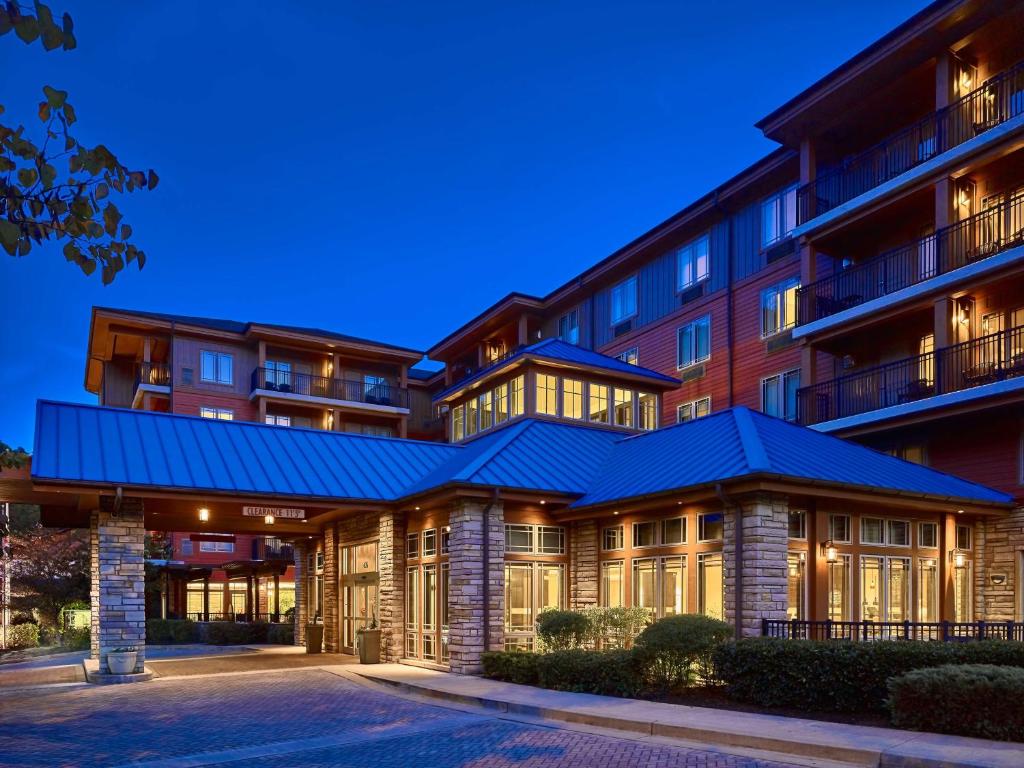
Hilton Garden Inn Gatlinburg
This pet-friendly, smoke-free hotel features free WiFi, an indoor pool and hot tub, on-site dining at the Garden Grille with a bar and happy hour, a fitness center, family-friendly amenities like in-room microwaves and refrigerators, free parking (including accessible options), cooked-to-order breakfast, a business center with over 1,100 sq ft of meeting space, laundry facilities, and convenient access to golf, tennis, hiking, and skiing, all in a five-story building built in 2009 with extensive accessibility features throughout.
Book Now
Historic Rocky Waters Inn
Newly remodeled in 2024, Historic Rocky Waters Inn, A Small Luxury Hotel offers upscale comfort just steps from Ripley’s Aquarium of the Smokies, Anakeesta, and SkyPark. This boutique retreat blends modern elegance with Gatlinburg charm, featuring a scenic terrace, outdoor entertainment space, and a cozy bar. Guests can enjoy breakfast or dinner at the on-site restaurant, The Heirloom Room, and stay connected with free in-room WiFi. Additional perks include free self-parking, concierge service, and express check-in/check-out for added convenience. Each guestroom is thoughtfully designed with premium bedding, air conditioning, and bathrobes, plus modern touches like 50-inch flat-screen TVs, workspaces, and balconies. With glowing reviews for its walkable location and attentive service, this small luxury stay is perfect for travelers seeking both style and substance in the Smokies.
Check Availability
Margaritaville Resort
Conveniently situated in the Gatlinburg part of Gatlinburg (TN), this property puts you close to attractions and interesting dining options. This 4-star property is packed with in-house facilities to improve the quality and joy of your stay.
Buy Now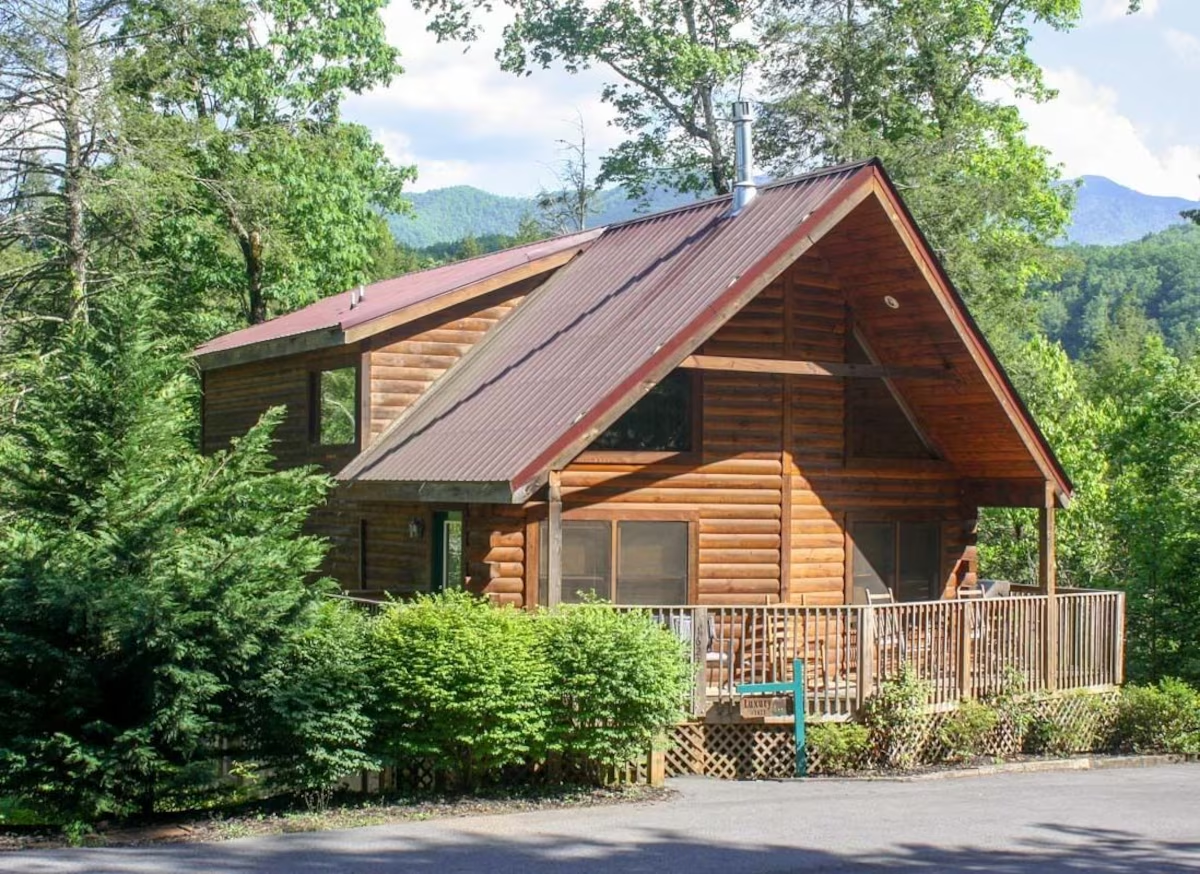
Mountain Shadow Resort & Rentals
Experience rustic luxury in the heart of the Smokies at Mountain Shadows Resort Rentals, where charming log cabins meet modern convenience. Whether you're planning a romantic honeymoon or a lively family reunion, this resort offers spacious accommodations complete with hot tubs, fireplaces, fully equipped kitchens, game rooms, and even gas/electric grills for cookouts under the stars. Guests can enjoy on-site amenities like a seasonal swimming pool, children’s playground, free high-speed WiFi, and pet-friendly options—making it easy for everyone to feel at home. Nestled adjacent to the Great Smoky Mountains National Park and conveniently located near the Gatlinburg trolley line, you're never far from scenic hikes, mountain views, and local attractions. While the resort holds an average rating of 3.1, many guests appreciate its peaceful setting and unique log-home atmosphere. With family rooms, non-smoking options, and features like whirlpool tubs and fireplaces, Mountain Shadows Resort invites you to unwind, explore, and make lasting memories in one of Gatlinburg’s most scenic spots.
Buy Now
River Edge Inn
Conveniently located near the Gatlinburg Convention Center, Gatlinburg Space Needle, and Ripley's Believe It or Not Museum, River Edge Inn offers a welcoming stay just steps from the action. Guests can start their day with a complimentary to-go breakfast, relax on the terrace, or unwind by the cozy lobby fireplace. The hotel features a seasonal outdoor pool and children’s pool with sun loungers, as well as a snack bar/deli, free self-parking, and high-speed in-room WiFi (50+ Mbps). Each guestroom is equipped with premium bedding, air conditioning, a private balcony, and essentials like a microwave, refrigerator, and 32-inch TV with premium channels. Families will appreciate extras like hypoallergenic bedding and available cribs, while guest reviews consistently praise the helpful staff and clean, comfortable rooms. Whether you're here for business or a mountain getaway, River Edge Inn delivers easy comfort in a prime downtown location.
Buy Now
River Terrace Resort and Convention Center
Just steps from Ripley’s Aquarium of the Smokies, Anakeesta, and SkyPark, River Terrace Resort & Convention Center offers comfort, convenience, and a touch of Southern hospitality in the heart of Gatlinburg. Guests enjoy a complimentary to-go breakfast each morning and can take advantage of an outdoor pool, free self-parking, and practical amenities like laundry facilities and a business center. The resort also offers concierge service, tour assistance, and express check-out to make your stay hassle-free. Each of the 205 rooms is equipped with air conditioning, flat-screen TVs, in-room safes, and free WiFi, along with bathrooms that feature hydromassage showers or tubs. With high marks for its friendly staff and central location, River Terrace is an ideal base for exploring the Smokies or attending events downtown.
Buy Now
Sidney James Mountain Lodge
Set against the scenic backdrop of the Smoky Mountains, Sidney James Mountain Lodge offers a warm, family-friendly retreat just minutes from Gatlinburg’s top attractions. Guests enjoy free WiFi, cozy rooms with flat-screen TVs, in-room coffee, air conditioning, and private balconies in select accommodations. Relax in style with access to three outdoor pools, a serene indoor pool, a kids' pool, and a soothing sauna—perfect after a day of exploring. On-site free parking adds convenience, while the Poolside Café, serving breakfast and lunch, makes grabbing a bite easy. Located near beloved local art galleries like Fowler’s Clay Works and the Great Smoky Arts & Crafts Community, Sidney James is more than just a place to stay—it’s a gateway to the charm and adventure of Gatlinburg. Pet-friendly and offering a variety of room types including suites, it’s a comfortable, value-rich option for families, couples, and explorers alike.
Book Now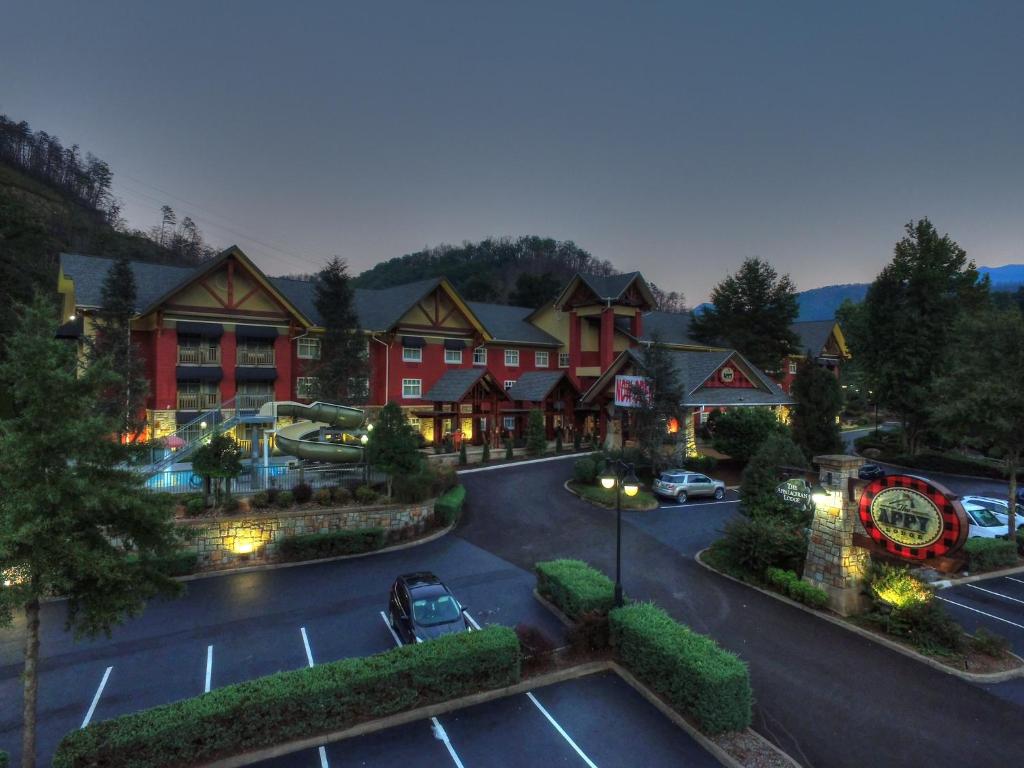
The Appy Lodge
Just a short distance from Anakeesta, Ripley’s Aquarium of the Smokies, and Ole Smoky Moonshine Distillery, The Appy Lodge offers a charming blend of comfort and convenience in the heart of Gatlinburg. Guests can unwind in the hot tub, enjoy a swim in either the seasonal outdoor pool or indoor pool, and stay active at the on-site gym. The hotel also features a terrace, business center, gift shop, and free self-parking. Each of the 101 rooms is designed with guest comfort in mind, offering premium bedding, air conditioning, free WiFi, and thoughtful amenities like flat-screen TVs, mini fridges, and microwaves. With laundry facilities, 24-hour front desk service, and tour assistance available, The Appy Lodge delivers a relaxed, welcoming stay just minutes from the area’s top attractions.
Buy Now
The Park Vista
Rising above downtown Gatlinburg on Cherokee Orchard Road, The Park Vista offers a quieter hillside stay with sweeping city and Smoky Mountain views. Families can enjoy the multi-level indoor pool complex with waterslides, a children’s area, and whirlpool, while several on-site dining options make breakfast, coffee, drinks, and relaxed evening meals convenient. Guest rooms include king, two-queen, and double-king configurations, with select rooms offering balconies and designated mountain or city views. Complimentary Wi-Fi, Hilton Honors benefits, connecting-room options, and a free Gatlinburg trolley stop at the hotel add practical value. Breakfast and self-parking cost extra, so compare the complete rate before booking. With its distinctive circular tower, full-service amenities, and separation from the Parkway crowds, The Park Vista is especially well suited to families, couples, and national park visitors who value scenery over immediate downtown walkability.
Check Availability Now
Greystone Lodge on the River
Set beside the river in the heart of downtown Gatlinburg, Greystone Lodge on the River offers an exceptionally convenient base beside Ripley’s Aquarium of the Smokies and just across the Parkway from Anakeesta. Guests receive complimentary breakfast, free self-parking, free Wi-Fi, and access to a seasonal heated outdoor pool with a waterslide. Every room includes a balcony or ground-floor patio, while selected riverfront rooms and suites add water views, fireplaces, soaking tubs, or family-friendly sleeping arrangements. A trolley stop at the hotel entrance provides another easy way to explore town. Greystone does not offer an indoor pool, spa, or on-site restaurant, and not every room overlooks the river, so check the exact room category before booking. With its walkable location, included essentials, and relaxed riverfront setting, Greystone is especially well suited to families, couples, and first-time visitors who want to leave the car parked and spend their holiday exploring Gatlinburg.
Check Availability Now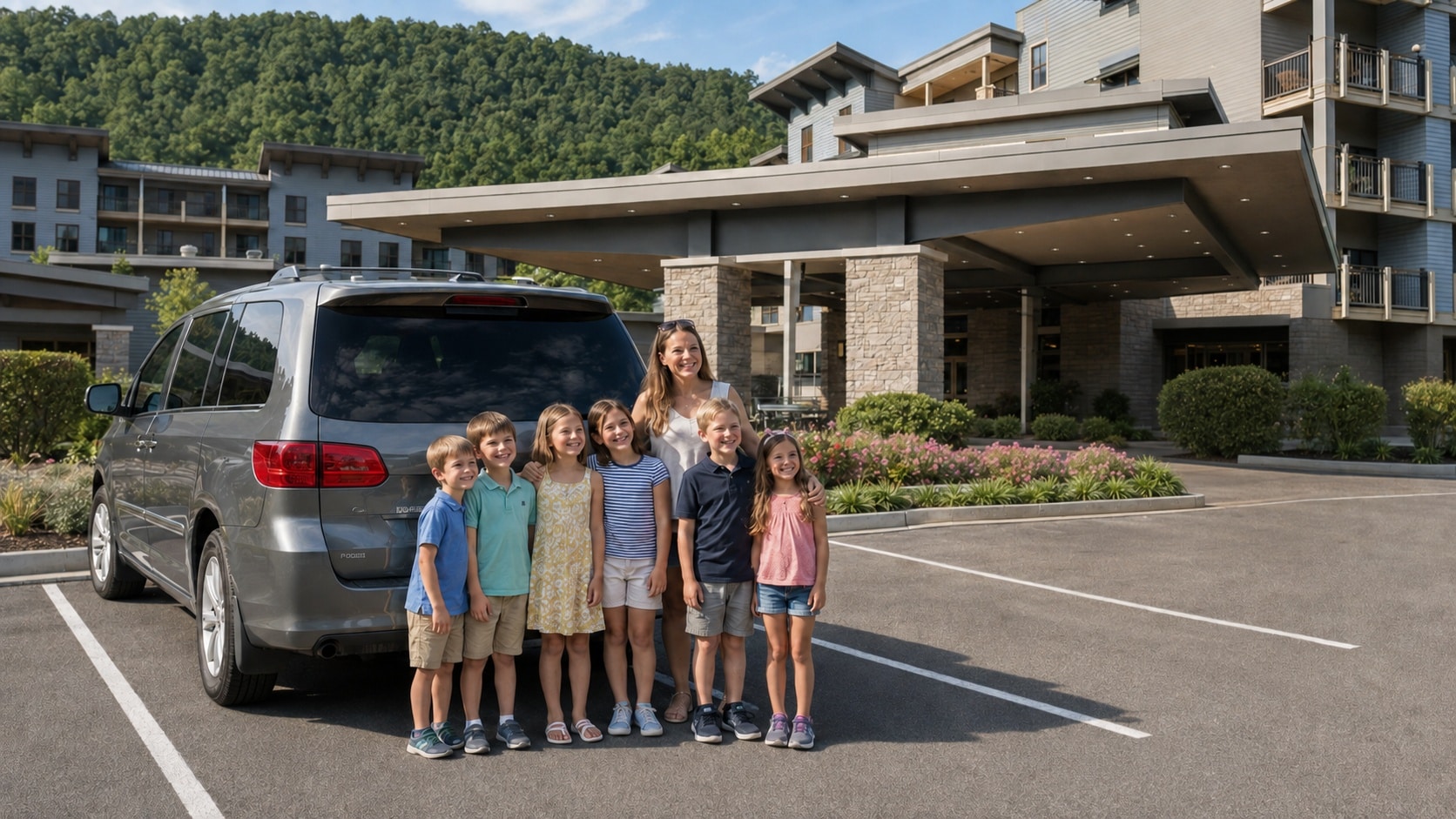
Embassy Suites by Hilton Gatlinburg Resort
Set less than half a mile from downtown Gatlinburg, Embassy Suites by Hilton Gatlinburg Resort offers a modern, family-focused stay near the Great Smoky Mountains National Park. Guests receive complimentary made-to-order breakfast, free Wi-Fi, and access to the nightly Evening Reception. Spacious accommodations, an indoor pool, and a seasonal outdoor pool complex with a lazy river and waterslide make the resort particularly appealing to families planning a multi-night stay. An on-site restaurant, bar, fitness centre, and pet-friendly rooms add further convenience. Embassy Suites is not directly on the Parkway, however, and the uphill return from downtown may prove tiring for young children or travellers with limited mobility. On-site self-parking also carries a nightly charge, while the lazy river and waterslide are seasonal. With its additional living space, included breakfast, and unusually strong pool facilities, Embassy Suites is best suited to families and larger groups who will use the amenities enough to justify the higher total price.
Check Availability Now
Old Creek Lodge
Set along a mountain stream on River Road, Old Creek Lodge offers a comfortable base between downtown Gatlinburg and the entrance to Great Smoky Mountains National Park. Every room includes a private stream-facing balcony, gas fireplace, mini-refrigerator, microwave, and Keurig coffee maker, giving the property more character and practicality than a typical downtown hotel. Guests also receive complimentary continental breakfast, free Wi-Fi, free on-site parking, and access to a heated seasonal outdoor pool. The western Parkway, Ober Mountain Aerial Tramway, and several restaurants and attractions are within walking distance, although destinations near Ripley’s Aquarium and Anakeesta require a longer stroll. Old Creek Lodge does not offer an indoor pool, restaurant, bar, spa, or extensive resort facilities, and pets are not permitted. Whirlpool tubs are available only in selected Spa room categories. With its creekside balconies, fireplaces, convenient location, and consistently strong guest feedback for cleanliness and service, Old Creek Lodge is particularly well suited to couples, small families, and park-focused travelers who prefer room atmosphere and walkability over resort-style extras.
Check Availability Now
The Historic Gatlinburg Inn
Set directly on the Parkway in the heart of downtown, The Historic Gatlinburg Inn offers a characterful base beside Gatlinburg SkyPark and across from the Gatlinburg Space Needle. Guests receive a complimentary Southern hot breakfast, free Wi-Fi, free on-site parking, and access to a seasonal outdoor pool, along with inviting common areas featuring fireplaces, historic photographs, puzzles, and porch rocking chairs. Room layouts vary considerably, with options ranging from traditional standard rooms to corner rooms with wraparound balconies, family suites, parlor arrangements, Presidential Suites, and Room 388, where “Rocky Top” was written. Standard rooms do not automatically include a mini-refrigerator, microwave, or balcony, so guests should confirm the exact category before booking. The inn does not offer an indoor pool, hot tub, spa, fitness centre, full-service restaurant, or bar, and pets are not permitted. With its exceptional walkability, included parking and breakfast, authentic Gatlinburg history, and frequently praised hospitality, The Historic Gatlinburg Inn is particularly well suited to couples, families, music enthusiasts, and repeat visitors who value independent character over modern resort-style amenities.
Check Availability Now
Hilton Garden Inn Gatlinburg
Set on River Road just off the busier Parkway, Hilton Garden Inn Gatlinburg offers a comfortable, walkable base near downtown and the Great Smoky Mountains. Rooms include microwaves, mini-refrigerators, and coffee makers, while selected categories add balconies, fireplaces, whirlpool tubs, or additional suite space. Guests also have access to an indoor saltwater pool, outdoor hot tub, courtyard fire pit, fitness center, and The Garden Grille & Bar. The hotel welcomes pets for an additional fee and participates in Hilton Honors. Breakfast is available but generally not complimentary, and on-site self-parking currently costs extra. It is best suited to couples and families who value dependable branded comfort and a slightly quieter downtown location.
Check Availability Now
Hampton Inn Gatlinburg
Set along LeConte Creek at 967 Parkway, Hampton Inn Gatlinburg offers a convenient downtown base near restaurants, attractions, and the Great Smoky Mountains. Rooms include mini-refrigerators, microwaves, and coffee makers, while selected categories add private balconies, creek views, or fireplaces. Guests also have access to complimentary hot breakfast, free Wi-Fi, an outdoor pool, hot tub, and fitness center. The hotel welcomes dogs and cats for an additional fee and participates in Hilton Honors. Covered parking is available, although on-site self-parking currently costs extra. It is best suited to couples, families, pet owners, and park visitors who value excellent Parkway walkability and a creek-side setting more than extensive resort-style amenities.
Check Availability Now
Hotel Indigo
Hotel Indigo Gatlinburg Downtown brings a more modern, boutique feel to the edge of downtown, with 136 rooms and a location that keeps restaurants and attractions within walking distance. Its standout feature is the seasonal heated rooftop infinity pool, joined by mountain views, a pool bar, and Altitude Restaurant & Rooftop Bar. Guests also have a lobby café serving Starbucks, fitness center, free Wi-Fi, EV charging, and dog-friendly accommodations. Self-parking currently costs $15 per day, and the rooftop pool operates seasonally from April 15 through October 31. It is best suited to couples and short-stay visitors who value walkability, contemporary rooms, and a rooftop atmosphere over the extra space and privacy of a cabin.
Check Availability Now


For a deeper look at cabins, hotels, resorts, condos, and the best areas to stay throughout the region, be sure to explore Where to Stay in Gatlinburg before making your final lodging decision.
The right place to stay won’t guarantee a perfect trip. But in spring, when the Smokies are waking up from winter and every day reveals something new, choosing lodging that complements the season can make the entire experience more rewarding.
Guided Experiences Worth Booking During Spring
One of the advantages of visiting Gatlinburg in spring is that the season naturally lends itself to guided experiences.
During summer, many visitors are focused on fitting as many attractions as possible into a limited schedule. Spring often encourages a slower approach. The weather is comfortable, the crowds are generally more manageable, and the changing landscape creates opportunities to learn more about the mountains rather than simply passing through them.
I’ve found that guided experiences can be particularly valuable for first-time visitors. The Smokies are beautiful on their own, but understanding why a trail is blooming, where wildlife is most active, or how the mountains change with elevation often adds another layer of appreciation to the experience.
The best guided tours don’t replace exploration. They help you see things you might otherwise miss.
Wildflower Tours
Spring Advantage: Learn how to identify the plants and ecosystems that make the Smokies one of the most biologically diverse places in North America.
It’s easy to walk past a patch of wildflowers and admire the colors.
It’s another thing entirely to understand what you’re seeing.
One of the reasons guided wildflower tours are so popular during spring is that they transform a simple hike into an educational experience. Guides often point out species that many visitors would never notice on their own while explaining how elevation, sunlight, soil conditions, and seasonal timing influence what is blooming.
I’ve occasionally walked the same trail twice within a few days—once on my own and once with someone knowledgeable about the area’s plant life. The difference can be remarkable. What initially appeared to be a pleasant forest walk suddenly becomes a deeper exploration of the park’s extraordinary biodiversity.
For visitors interested in nature, photography, or the Spring Wildflower Pilgrimage, a guided wildflower tour can be one of the most rewarding experiences available during the season.
Photography Workshops
Spring Advantage: Take advantage of peak waterfall flow, wildflower blooms, and the Smokies’ seasonal transformation.
Spring offers some of the best photography opportunities of the year in the Smokies.
Waterfalls are often flowing at their strongest levels, fresh greenery begins appearing throughout the forests, and changing elevations create layers of color that are difficult to capture during other seasons.
Photography workshops appeal to more than serious photographers. Many guides focus on helping visitors understand light, composition, timing, and location selection rather than simply teaching camera settings.
One thing I’ve learned over the years is that the best photographs usually come from understanding a place rather than simply arriving at the right location. Spring photography guides often know which waterfalls are flowing best, where wildflowers are blooming, and when changing light conditions create the strongest images.
A detail many visitors don’t realize is that overcast spring days often create better waterfall photographs than bright sunny ones. The Smokies are famous for soft, diffused light during March and April, and those cloudy conditions help eliminate harsh highlights while revealing more detail in the water and surrounding landscape.
Whether you’re carrying a professional camera or simply hoping to improve your smartphone photography, a spring workshop can help you return home with more meaningful images of the Smokies.
Jeep Tours Through the Smokies
Spring Advantage: Cover more ground while enjoying seasonal scenery, wildlife opportunities, and mountain views.
Not every visitor wants to spend the entire day hiking.
Jeep tours provide an opportunity to experience the mountains from a different perspective while still taking advantage of everything spring has to offer. Guided drivers often combine scenic roads, overlooks, local history, and seasonal points of interest into a single outing.
One of the benefits of spring Jeep tours is the ability to observe the changing landscape across multiple elevations. In a relatively short period of time, visitors can experience valleys entering full spring while higher ridges remain several weeks behind.
The tours also provide opportunities to learn about the history, culture, and geography of the Smokies from guides who spend much of their time exploring the area.
For travelers who prefer a less strenuous way to experience the mountains—or those visiting with family members who may not be interested in longer hikes—Jeep tours can be an excellent alternative.
Guided Waterfall Excursions
Spring Advantage: Visit some of the Smokies’ most impressive waterfalls during peak flow season.
Waterfalls are one of the defining features of a spring trip to Gatlinburg, and guided excursions can help visitors experience them more efficiently.
Rather than spending time researching trail conditions, navigating unfamiliar roads, or deciding which waterfalls are worth prioritizing, guided tours often focus on the locations that are performing best during current conditions.
This can be particularly valuable in spring when rainfall patterns, trail conditions, and water levels can change from week to week.
I’ve found that guides frequently provide useful context that many visitors miss. Instead of simply arriving at a waterfall, you learn why that waterfall looks different in spring, how seasonal runoff influences the flow, and why certain locations photograph better during specific times of day.
Because spring weather can be unpredictable, it’s also worth reviewing a tour operator’s cancellation and weather policies before booking. Reputable local guides understand changing mountain conditions and will adjust routes, schedules, or destinations when heavy rain, high water, or trail conditions create safety concerns.
For travelers with limited time, guided waterfall excursions often provide one of the most efficient ways to experience several of the season’s highlights without spending the entire day planning logistics.
While independent exploration remains one of the great joys of visiting the Smokies, spring is also one of the best times to learn from people who know the mountains intimately. A knowledgeable guide can often reveal details that transform a pleasant outing into an experience you’ll remember long after the trip is over.
My Perfect Spring Day in Gatlinburg
After many visits to the Smokies, people occasionally ask me what my perfect spring day in Gatlinburg would look like.
The answer has changed over the years.
When I was younger, I often tried to squeeze as much as possible into a single day. I’d race from attraction to attraction, trying to check every box on my itinerary. These days, I find myself appreciating a slower pace. Spring rewards that approach better than any other season.
A perfect spring day isn’t about doing more.
It’s about noticing more.
Morning: Coffee and Mountain Views
My ideal spring morning starts before most visitors are awake.
There’s something special about sitting on a cabin porch with a cup of coffee while the mountains slowly emerge from the darkness. Some mornings bring clear views stretching for miles. Other mornings arrive wrapped in fog, with clouds drifting through the valleys below. Both are beautiful in their own way.
After enjoying the sunrise, I’d make my way toward Cades Cove or the Greenbrier area before traffic begins building. Early morning remains one of the best times to experience the Smokies. Wildlife is often more active, the air feels cooler and fresher, and the mountains seem quieter.
One thing I’ve learned over the years is that spring mornings shouldn’t be rushed. The season moves at its own pace, and some of the most memorable moments happen when you simply stop and watch the mountains wake up around you.
Afternoon: Wildflowers and Waterfalls
By late morning, I’d head toward one of the park’s spring showcases.
Porters Creek Trail would be high on my list. During wildflower season, few places in the Smokies combine natural beauty, mountain history, and relative tranquility quite as well. Walking through fields of trillium and other spring blooms while passing remnants of old mountain homesteads always feels like stepping into another era.
After lunch—perhaps at Tennessee Jed’s back in Gatlinburg—I’d spend the afternoon chasing waterfalls.
Spring is when the Smokies’ waterfalls are often at their most impressive. Depending on the day, that might mean Laurel Falls, Grotto Falls, or Abrams Falls. The specific destination matters less than the experience itself. The sound of rushing water, the fresh scent of the forest after recent rain, and the vibrant green landscape create a combination that is difficult to replicate during any other season.
What I appreciate most about spring afternoons is that they rarely feel predictable. A trail that looked one way two weeks earlier may look completely different after another wave of blooms or fresh growth.
Evening: Dinner and Sunset
As the day begins winding down, I’d return to Gatlinburg and slow the pace even further.
Dinner at The Peddler would be difficult to pass up. After spending the day exploring the mountains, sitting down beside the Little Pigeon River and reflecting on everything you’ve seen feels like an appropriate ending to a spring day.
After dinner, I’d head toward Foothills Parkway or one of Gatlinburg’s elevated viewpoints to watch the sun disappear behind the mountains.
Spring sunsets don’t always deliver the dramatic colors people associate with autumn, but they offer something equally appealing. The fresh green mountains seem softer in the evening light, and the layers of ridges stretching across the horizon create a sense of depth that is uniquely Smoky Mountain.
As daylight fades, it’s often possible to look across the landscape and see spring’s progression still unfolding. Valleys glow green while distant ridges continue their slow transition toward summer.
Those quiet moments are usually the ones I remember most.
Not the attraction tickets.
Not the restaurant reservations.
Not even the photographs.
Just the feeling of being present in the Smokies while another spring day comes to an end.
Planning Your Own Spring Adventure
The beauty of spring in Gatlinburg is that no two visits are exactly alike.
Wildflowers bloom on different schedules. Waterfall conditions change with rainfall. Weather patterns shift from week to week. A trail that feels like early spring in March may feel like late spring by May.
That’s part of what makes the season so rewarding.
If you’d like additional ideas for planning your own Smoky Mountain adventure, now is an excellent place to include your Guidebook Affiliate placement. Readers have reached the point where they’re no longer asking whether they should visit in spring—they’re deciding how to make the most of their trip.

Gatlinburg Travel Guide 2025: Explore the Best Attractions, Outdoor Adventures, and Hidden Gems in the Heart of the Smoky Mountains
This Gatlinburg Travel Guide 2025 isn’t just a book—it’s a doorway to a life-changing adventure. Whether you’re drawn by the mountains, the history, or the people, Gatlinburg promises an experience that will stay with you long after you’ve left. Get ready to create unforgettable memories, and let this guide be your trusted companion along the way.
Buy Now
Why Spring Might Be the Most Rewarding Time to Visit Gatlinburg
Every season in Gatlinburg has its loyal fans.
Summer brings family vacations and long days in the mountains. Fall delivers the spectacular colors that fill postcards and social media feeds. Winter transforms the Smokies into a quieter, more peaceful destination.
But spring offers something different.
It isn’t defined by a single attraction, event, or view. It’s defined by change.
Wildflowers emerge across the forest floor. Waterfalls surge with fresh runoff from winter. Valleys turn green while mountaintops remain weeks behind. Wildlife becomes more active, hiking trails become more inviting, and every week seems to reveal a new version of the Smokies.
What I’ve always appreciated most about spring is that it rewards curiosity.
You don’t have to follow a checklist. You don’t have to rush from attraction to attraction. Some of the best experiences happen when you take a slower road, stop at a quiet overlook, linger on a trail a little longer, or simply sit on a porch and watch the mountains wake up around you.
That’s why spring feels different.
It’s not just a season you visit.
It’s a season you experience.
Whether you’re coming for wildflowers, waterfalls, scenic drives, hiking trails, mountain views, local events, or simply a few peaceful days in the Smokies, spring offers a version of Gatlinburg that many visitors never fully discover.
And once you’ve experienced the mountains during this season of renewal, you may find yourself planning your next spring trip before the current one is even over.
If you’re still building your itinerary, exploring lodging options, or looking for additional ways to experience the Smokies, this is the ideal place to revisit the resources throughout this guide and begin turning your plans into reality.
Spring doesn’t last forever in the Smokies.
That’s part of what makes it so special.
