
Things to Do in Gatlinburg in Fall Are Best Enjoyed at a Slower Pace
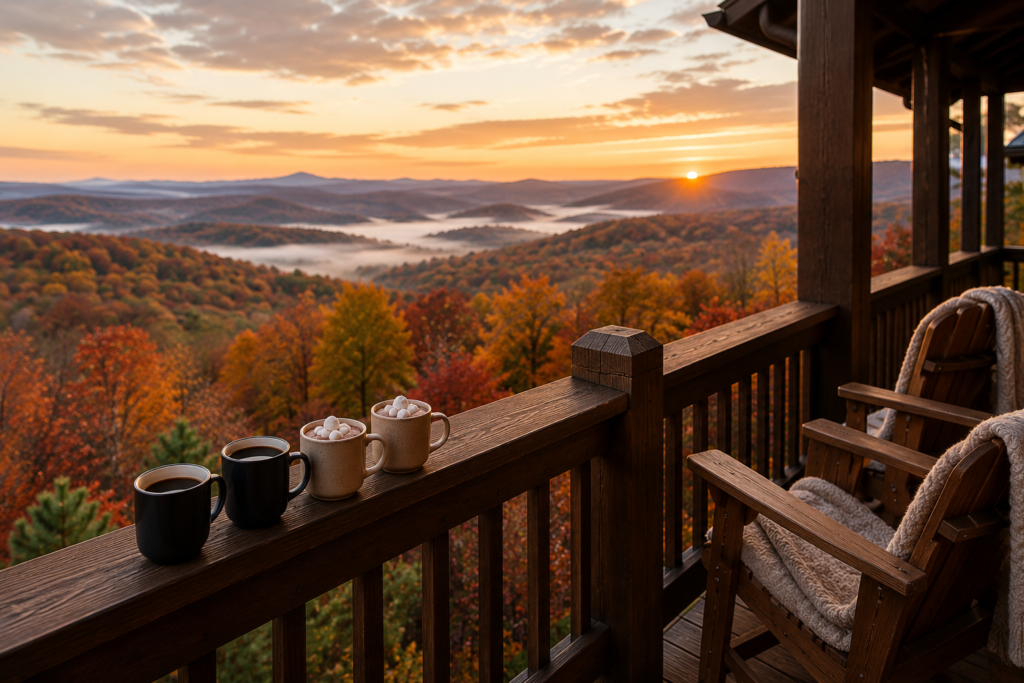
Things to Do in Gatlinburg in Fall: A Local’s Guide to Autumn in the Smoky Mountains
The first time you arrive in Gatlinburg on a crisp fall morning, it’s tempting to think the colorful mountains are the whole story. They certainly command your attention. The ridges glow with shades of gold, amber, and crimson, wisps of fog drift through the valleys, and the cool mountain air seems to invite you to slow your pace. But after returning year after year, I’ve come to appreciate that autumn changes far more than the scenery. It changes the rhythm of the town itself.
People linger a little longer over breakfast before heading into the national park. Scenic pull-offs become gathering places where strangers quietly admire the same mountain view instead of rushing past it. Even the Parkway feels different as porch lights begin to glow, fireplaces come alive, and the scent of woodsmoke drifts through the cool evening air. Autumn rewards travelers who are willing to slow down, but it also rewards those who plan just a little ahead. A sunrise drive can feel wonderfully peaceful, while the same road a few hours later may be lined with cars all hoping to catch the same spectacular view. After enough autumn visits, you begin to realize that timing is often the difference between simply seeing the Smokies and truly experiencing them.
That’s exactly what this guide is designed to help you do. Rather than offering another long checklist of attractions, you’ll find practical advice for choosing the right scenic drives, deciding which hikes are worth your time, discovering downtown experiences that shine in autumn, and knowing where to enjoy a memorable meal after a day in the mountains. Along the way, I’ll share the small lessons I’ve learned over many fall trips—from when it’s worth setting the alarm before sunrise to the quiet moments that often become the memories people talk about long after they’ve returned home.
Whether this is your first visit to the Smokies or another chapter in a tradition you’ve enjoyed for years, this guide will help you experience autumn with confidence and at a pace that lets you appreciate what makes the season so special. As you continue planning, be sure to explore Things To Do In Gatlinburg, Gatlinburg Restaurants, and Where to Stay in Gatlinburg for even more ideas to help shape your perfect fall getaway.
Is Fall the Right Season for Your Gatlinburg Trip?
Choosing the best time to visit Gatlinburg has less to do with finding the “perfect” season and more to do with matching the mountains to the kind of vacation you want. After returning throughout the year, I’ve found that fall appeals to travelers who enjoy slowing down and experiencing a destination rather than racing from one attraction to the next. Crisp mornings invite scenic drives, comfortable afternoons make hiking more enjoyable, and cooler evenings seem made for lingering over dinner or relaxing on a cabin porch while the last light fades across the Smokies. If your idea of a memorable vacation is creating moments instead of simply collecting attractions, autumn is an excellent time to visit.
Who Will Love Visiting in Fall
Fall is a wonderful season for travelers who enjoy scenery as much as activities. If you’re the kind of person who doesn’t mind pulling into another scenic overlook because the mountains look different around the next bend, or you enjoy wandering downtown without feeling the need to stick to a strict itinerary, you’ll probably appreciate Gatlinburg most during autumn.
Photographers often consider fall the most rewarding season. Early mornings frequently begin with layers of fog drifting through colorful valleys, while the lower autumn sun produces warm, gentle light that flatters nearly every landscape. Even if you’re carrying nothing more than a smartphone, the combination of vibrant foliage and softer daylight makes it surprisingly easy to capture memorable images.
Hikers also benefit from the season. Cooler temperatures make longer trails feel far more comfortable than they often do during the heat and humidity of summer, and familiar paths take on an entirely different personality as hardwood forests transform into shades of gold, orange, and crimson. Autumn weekends do attract larger crowds, particularly during peak foliage, but I’ve found that arriving shortly after sunrise changes the experience completely. Not only are parking areas easier to navigate, but the trails themselves often feel quieter and more peaceful.
Fall is equally appealing for couples celebrating an anniversary, families creating traditions, or anyone simply looking for a relaxing mountain escape. Cozy restaurants, seasonal decorations, crackling fireplaces, and comfortable evenings encourage you to slow down and enjoy where you are instead of wondering where to go next. If your vacation is about reconnecting—with nature, with family, or simply with yourself—autumn offers that opportunity exceptionally well.
How Fall Compares to Spring, Summer, and Winter
Every season in Gatlinburg has its own personality, which is one of the reasons so many visitors return throughout the year. Fall doesn’t replace the other seasons—it simply offers a different way to experience the Smokies.
Spring is a season of renewal. Wildflowers blanket the national park, waterfalls are often at their fullest, and fresh greenery returns to the mountains after winter. If blooming landscapes and comfortable hiking weather appeal to you most, you’ll enjoy exploring Things to Do in Gatlinburg in Spring.
Summer offers the longest days and the greatest variety of activities. Families visiting while school is out can spend full days hiking, rafting, riding chairlifts, attending festivals, and exploring downtown well into the evening. If you prefer energetic vacations packed with activities, Things to Do in Gatlinburg in Summer may be the better choice.
Winter brings a completely different atmosphere. Holiday lights brighten the Parkway, seasonal events fill the calendar, and occasional snowfall transforms the mountains into a peaceful winter landscape. Travelers hoping for festive traditions or quieter weekdays should take a look at Things to Do in Gatlinburg in Winter.
Fall sits comfortably between those experiences. The weather is generally pleasant for exploring outdoors, the mountains are at their most colorful, and many attractions embrace the season with decorations and special events. It does require a little more planning because lodging, restaurants, and popular scenic drives become especially busy during peak foliage weeks.
That has never discouraged me from visiting. Instead, it’s simply changed the way I experience Gatlinburg. I usually begin scenic drives shortly after sunrise, save downtown shopping for later in the afternoon, and whenever possible schedule popular hikes during the middle of the week rather than on weekends. A little flexibility goes a remarkably long way in autumn. Rather than trying to squeeze every attraction into one busy day, I’ve found it’s far more rewarding to choose a handful of memorable experiences and enjoy them without constantly watching the clock.
If you’re looking for comfortable hiking weather, unforgettable mountain scenery, cozy evenings, and a vacation that encourages you to slow down instead of speed up, I honestly believe fall is one of the finest introductions to Gatlinburg you’ll ever have.
One thing I’ve learned over the years is that understanding why a place matters often makes the visit just as memorable as seeing it for yourself. Before you head into the Smokies, consider bringing along a trusted guidebook that explains the stories behind the scenic drives, overlooks, historic communities, and mountain traditions you’ll encounter. Having that background adds another layer to the experience and often leads you to places many visitors simply drive past without realizing what they’re missing.

Gatlinburg Travel Guide 2025: Explore the Best Attractions, Outdoor Adventures, and Hidden Gems in the Heart of the Smoky Mountains
This Gatlinburg Travel Guide 2025 isn’t just a book—it’s a doorway to a life-changing adventure. Whether you’re drawn by the mountains, the history, or the people, Gatlinburg promises an experience that will stay with you long after you’ve left. Get ready to create unforgettable memories, and let this guide be your trusted companion along the way.
Buy Now
Planning the Perfect Fall Day in Gatlinburg
A good fall day in Gatlinburg isn’t about doing the most. It’s about choosing the right experiences at the right time. Autumn brings beautiful weather, brilliant mountain color, and plenty of visitors who are all hoping to see the Smokies at their best. The trick is to let the day breathe. Start early, save the busiest areas for when they make the most sense, and leave enough room for the kind of unscheduled moments that often become the highlight of the trip.
Morning
Morning is when Gatlinburg feels most like a mountain town rather than a busy vacation hub. If you’re willing to get up early, this is the best time to head into Great Smoky Mountains National Park for a scenic drive, a short hike, or a quiet overlook before the day fully wakes up. The air is cooler, the light is softer, and fog often settles low in the valleys, giving the mountains that layered, almost painted look that makes fall so memorable.
For many visitors, I like starting with a simple breakfast and then heading toward one major outdoor experience. That might be Newfound Gap Road if you want big mountain views, Roaring Fork Motor Nature Trail if you prefer a slower forested drive close to town, or Cades Cove if wildlife and open valley scenery are high on your list. Just treat Cades Cove differently. From Gatlinburg, it is not a quick “squeeze it in” stop. Between the drive there, the loop itself, wildlife slowdowns, and photo stops, it can easily become a half-day outing.
The important thing is not trying to do everything in one morning. Choose one main experience, enjoy it properly, and give yourself time to stop without feeling rushed. If you’re hiking, morning is also your friend. Trailheads can fill quickly in fall, especially during peak foliage weeks, and the cooler temperatures make the first few miles far more pleasant. I usually think of the morning as the investment part of the day: use your best energy and quietest hours for the experience you care about most.
Afternoon
By afternoon, the town usually has more movement. Families are wandering the Parkway, restaurants are filling between lunch and dinner, and attractions begin to feel livelier. This is a good time to shift from mountain exploration to something closer to Gatlinburg itself.
If you’ve spent the morning on a scenic drive or trail, the afternoon works well for Anakeesta, Gatlinburg SkyPark, the Arts & Crafts Community, or a relaxed downtown walk. You don’t need to treat the afternoon like a race. Fall afternoons are often better when you build in a slower pace: browse a few shops, stop for a snack, take photos of seasonal decorations, or ride a chairlift for a higher view of the mountains as the light begins to soften.
This is also where planning around your lodging location matters. If you’re staying downtown, you can park once and enjoy several attractions on foot. If you’re staying in a cabin outside town, you may prefer to return for a mid-afternoon break before coming back out for dinner. That pause can make the whole day feel less crowded and more enjoyable, especially during peak fall weekends when every unnecessary drive through town can eat into your day.
For more options beyond this one-day rhythm, your broader Things To Do In Gatlinburg guide can help you choose activities that match your travel style, whether you’re visiting with kids, planning a couples’ getaway, or building a quieter Smoky Mountain weekend.
Evening
Evening is when fall in Gatlinburg becomes especially atmospheric. The mountain views soften, restaurant lights glow along the Parkway, and the cooler air gives the town a cozy feel that summer rarely has. After a full day outdoors, I like keeping the evening simple: a good dinner, a short walk, maybe a scenic overlook if the sunset looks promising, and then time to settle in rather than push into one more attraction.
If you’re dining at one of Gatlinburg’s popular restaurants during October, reservations or an early dinner can save you a lot of waiting. The Peddler, The Park Grill, Cherokee Grill, and The Greenbrier all fit fall beautifully in different ways, whether you want a classic mountain dinner, a lodge-like setting, or something more romantic. Walk-ins can work, but during busy foliage weeks, I would not build the entire evening around luck.
One practical note: sunset in the mountains can feel earlier than the official time, especially when you’re down in town or tucked between ridges. If you want golden-hour views, plan to be in place ahead of time rather than leaving dinner or your hotel at the last minute. That small adjustment can be the difference between watching the mountains glow and arriving just as the colour disappears.
The best fall evenings often come down to restraint. You don’t need to fill every hour. Some of my favourite Gatlinburg memories are simple ones: stepping outside after dinner into cool mountain air, hearing the Parkway slowly quiet down, or sitting on a cabin deck with a warm drink while the last colour drains from the ridges. Plan enough to avoid frustration, but leave enough open space for the Smokies to surprise you.
Where you stay can shape the entire rhythm of a fall trip. Being close to downtown makes it easier to walk to restaurants and attractions, while a cabin or hotel outside the busiest areas may give you quieter mornings and more peaceful evenings. Before locking in your itinerary, it is worth comparing lodging options carefully so your accommodations support the kind of Gatlinburg day you actually want.
After comparing lodging, think about how your stay will affect the pace of your day. A downtown hotel may help you avoid repeated parking headaches, while a cabin can give you the kind of slow autumn mornings and peaceful evenings that make fall in the Smokies feel special.
Which Scenic Drives Are Worth Your Time?
One of the best decisions you can make during a fall trip to Gatlinburg is resisting the urge to drive every scenic road simply because it’s on the map. The Smokies reward a slower pace, and each drive offers a distinctly different experience. Rather than trying to check them all off in one visit, choose the one that best matches the kind of day you want to have. Whether you’re looking for sweeping mountain vistas, quiet forests, or panoramic overlooks, you’ll enjoy each route far more if you allow time to stop, wander, and appreciate what makes it unique.
Newfound Gap Road
If you’re visiting Gatlinburg for the first time during fall, Newfound Gap Road is where I would begin. This scenic drive follows U.S. 441 from Gatlinburg through Great Smoky Mountains National Park before crossing into North Carolina, climbing thousands of feet in elevation along the way. That steady climb creates one of autumn’s greatest advantages—you’ll often experience different stages of fall color during a single drive as the landscape changes around every curve.
Early morning is my favorite time to explore this road. Shortly after sunrise, the overlooks are quieter, the mountain air feels especially crisp, and layers of fog often settle between the ridges. The light is soft enough that even casual photographers can capture beautiful images without much effort. More importantly, the pace feels completely different before the middle of the day when traffic naturally begins to increase.
Plan to spend at least two or three hours here, even if the drive itself doesn’t seem particularly long on a map. One of the biggest mistakes I see is treating Newfound Gap Road like a route to somewhere else. In reality, the overlooks are the destination. I’ve learned that the best memories often come from unexpectedly lingering at one scenic pull-off while watching clouds drift across the mountains rather than rushing toward the next viewpoint.
Roaring Fork Motor Nature Trail
If Newfound Gap showcases the Smokies on a grand scale, Roaring Fork Motor Nature Trail introduces you to the quieter side of the mountains. The narrow one-way road winds through dense hardwood forest, past rushing streams, historic log cabins, old mills, and moss-covered stone walls. During peak fall color, it feels less like a scenic drive and more like traveling through a living mountain landscape.
Unlike Newfound Gap, Roaring Fork isn’t about covering distance. It’s about noticing details. Some of my favorite autumn photographs here haven’t been sweeping mountain panoramas at all—they’ve been sunlight filtering through colorful leaves, reflections dancing across the creek, or a weathered split-rail fence framed by brilliant reds and golds. If you enjoy slowing down and looking closely, this drive rewards that kind of curiosity.
Morning remains the best time to visit, especially on weekdays when traffic is lighter and the forest is at its quietest. Plan on about two hours if you intend to stop regularly, though many visitors happily spend longer. One practical note worth knowing before you arrive: the road is narrow and winding. Standard passenger vehicles have no difficulty, but drivers who are uncomfortable on tight mountain roads—or those traveling in large RVs or oversized vehicles—may find it less enjoyable. Taking your time is part of the experience.
Foothills Parkway
Foothills Parkway offers something entirely different. Rather than placing you deep inside the forest, it lifts you above it, providing some of the widest panoramic views in the Smokies. It’s the scenic drive I recommend most often to visitors who want spectacular mountain vistas without committing to a strenuous hike.
One reason I’ve always appreciated the Foothills Parkway is its flexibility. You can stop at an overlook for five minutes or stay half an hour watching the light change across the ridges. The recently completed western section connecting Wears Valley toward Walland has made the parkway even more accessible, and not surprisingly, more popular during peak fall weekends. Even so, it usually feels less hurried than many of the busiest areas closer to downtown Gatlinburg.
Late afternoon is my preferred time to visit. Warm autumn light gradually spreads across the mountains, adding remarkable depth to the layers of colorful ridges stretching toward the horizon. One small lesson I’ve learned over the years is not to rely entirely on the official sunset time. Because you’re surrounded by mountains, the sun often slips behind the ridges well before sunset is listed on your phone. Arriving 30 to 45 minutes earlier gives you time to settle in, enjoy the changing light, and simply appreciate the view instead of scrambling for a quick photograph.
If I had to describe Foothills Parkway in one sentence, I’d say it’s the scenic drive that reminds me to stop trying to “see everything.” Bring a warm drink, find an overlook that speaks to you, and allow yourself to sit quietly for a while. Those unhurried moments are often the ones I remember long after the trip is over.
The Best Outdoor Experiences During Fall
Autumn has a way of encouraging you to spend more time outside. The cooler temperatures make hiking more comfortable, the forests become a patchwork of gold and crimson, and even familiar trails feel different beneath a canopy of changing leaves. One lesson I’ve learned after many fall visits is that you don’t need to conquer every famous destination in the national park to have an unforgettable trip. Choosing one or two outdoor experiences that match your interests—and giving yourself enough time to enjoy them—is often far more rewarding than trying to fit everything into a single day.
Cades Cove
If your perfect fall morning includes mountain scenery, historic homesteads, open valleys, and the possibility of spotting wildlife, Cades Cove deserves a place near the top of your itinerary. Unlike many areas surrounding Gatlinburg, the broad valley opens dramatic views in every direction, allowing the colorful ridges to frame churches, log cabins, and fields that have changed remarkably little over the years.
One thing I always tell first-time visitors is to think of Cades Cove as its own adventure rather than simply another scenic stop. From Gatlinburg, the drive there, the eleven-mile loop, wildlife slowdowns, photography stops, and short walks can easily turn it into a half-day experience. If you’re deciding between Cades Cove and another major scenic drive on the same morning, I’d choose one or the other rather than trying to squeeze both into your schedule.
Early morning consistently provides the best experience. Wildlife is often more active, parking at popular pull-offs is easier, and the soft autumn light across the valley creates beautiful photography conditions. If traffic slows unexpectedly, don’t assume you’ve reached a delay. Quite often someone has spotted deer, wild turkeys, or black bears from a safe distance. Patience is simply part of visiting Cades Cove, and embracing that slower pace usually makes the experience much more enjoyable.
Alum Cave Trail
If you’re looking for one hike that balances effort with reward, Alum Cave Trail is difficult to overlook. The trail climbs steadily through old-growth forest, crosses scenic streams, and eventually reaches the impressive Alum Cave Bluffs, a massive rock overhang that has become one of the park’s most popular hiking destinations. Many hikers turn around there, while others continue toward Mount LeConte.
Autumn transforms this trail. The forest canopy glows with shades of yellow, orange, and deep red, while cooler temperatures make the climb noticeably more comfortable than it often feels during summer. If you’re only planning one moderate hike during your visit, Alum Cave offers one of the best combinations of scenery, elevation, and variety.
The hike is considered moderately difficult, with rocky footing, stairways, and several steady climbs, so comfortable hiking shoes are essential. During peak October weekends, the parking area often fills shortly after sunrise. I’ve learned that arriving before the sun is fully above the ridges not only improves your chances of finding a parking space but also allows you to enjoy the quieter sections of trail before larger groups arrive. Plan several hours for the round trip and don’t be afraid to pause often. Some of the best views aren’t only at Alum Cave itself—they’re found in the changing forest along the way.
Kuwohi (formerly Clingmans Dome)
Few places in the Smokies provide a sense of scale quite like Kuwohi. As the highest point in Great Smoky Mountains National Park, the observation tower offers panoramic views that seem to stretch endlessly across layers of colorful mountains. During peak fall foliage, it’s one of those places that reminds you just how vast the Smokies really are.
For visitors hoping to experience spectacular scenery without committing to a long hike, Kuwohi offers one of the highest rewards for the least hiking distance. The paved path from the parking area is only about half a mile each way, but don’t let the distance fool you. The climb is steep enough to encourage a slower pace, particularly because of the high elevation.
One surprise for many first-time visitors is how dramatically the weather can change. Even when Gatlinburg feels comfortably mild, temperatures at the summit are often much cooler, and the observation tower is fully exposed to mountain winds that can make it feel colder still. Bringing an extra layer is one of those simple decisions that can make the experience far more enjoyable.
I usually visit either shortly after sunrise or later in the afternoon when the light softens across the ridges. Not every visit delivers endless visibility, and that’s perfectly alright. Some of my favorite mornings have been those when clouds drifted through the valleys below the tower, constantly changing the view. The mountains don’t always offer the panorama you expected, but they almost always offer something worth remembering.
Laurel Falls
Not every memorable hike in the Smokies needs to involve a long climb or an entire day on the trail. Laurel Falls remains one of the park’s most popular walks because it combines a relatively short hike with the reward of reaching one of the area’s best-known waterfalls. It’s an excellent choice for families, casual hikers, or anyone looking to enjoy the beauty of the national park without taking on one of its more demanding trails.
The paved trail sometimes gives visitors the impression that this is little more than a sidewalk stroll, but that can be misleading. The route climbs steadily in places, and during autumn, fallen leaves and damp conditions can make sections surprisingly slippery. Treat Laurel Falls like a genuine hike by wearing supportive footwear and allowing yourself enough time to enjoy the walk safely.
Morning once again offers the best experience. Temperatures are cooler, the lighting around the waterfall is softer, and you’ll often encounter fewer people than later in the day. While the waterfall is certainly the highlight, don’t forget to stop occasionally and look back through the trees. During peak fall color, the surrounding forest often becomes just as memorable as the cascade itself.
Whether you spend your day watching wildlife in Cades Cove, climbing toward Alum Cave, admiring endless mountain ridges from Kuwohi, or enjoying the peaceful walk to Laurel Falls, you’ll discover that autumn has a remarkable way of making the Smokies feel both vibrant and peaceful at the same time. If you’re looking to build even more time outdoors into your itinerary, you’ll find plenty of additional inspiration in Outdoor Things To Do in Gatlinburg, where you’ll discover more trails, scenic areas, waterfalls, and adventures throughout the national park.
Downtown Gatlinburg Comes Alive in Autumn
After spending the morning surrounded by mountain ridges and quiet overlooks, downtown Gatlinburg offers a different side of fall. The national park may be only minutes away, but here the season is experienced through glowing shop windows, chairlifts climbing above colorful hillsides, the aroma of cinnamon and fresh fudge, and families strolling the Parkway in light jackets as evening approaches. Autumn gives downtown a warmth that’s difficult to describe until you’ve experienced it yourself. The pace is livelier than the mountains, but with a little planning, it’s every bit as enjoyable.
Anakeesta
If you’re looking for a mountain experience that combines scenery, dining, shopping, and relaxation in one place, Anakeesta is difficult to beat. The journey begins with a scenic chairlift or enclosed gondola ride above downtown before opening onto gardens, elevated walkways, restaurants, and sweeping views of the Smokies dressed in autumn color.
I think Anakeesta is best suited for families, couples, and visitors who want spectacular scenery without spending the day hiking. Unlike the national park, everything here is designed to be explored at a comfortable pace, making it easy to mix mountain views with lunch, shopping, or simply finding a quiet place to sit for a while.
Late afternoon is my favorite time to visit. The mountains take on warmer tones as the sun lowers, and staying into the evening allows you to experience Anakeesta as the lights begin to illuminate the mountaintop. During peak October weekends, purchasing tickets in advance is a smart idea, as lines for the lift can become considerably longer later in the day.
Gatlinburg SkyPark
For visitors hoping to capture one of Gatlinburg’s iconic views, Gatlinburg SkyPark is hard to overlook. The chairlift carries you high above the Parkway to Crockett Mountain, where the famous SkyBridge, scenic overlooks, and mountain pathways provide remarkable views across downtown and the surrounding Smokies.
SkyPark is the best choice for travelers whose priority is photography and panoramic scenery. While the SkyBridge receives most of the attention, I’ve often found myself lingering at the quieter overlooks, watching layers of colorful ridges fade into the distance. Sometimes the best photograph isn’t taken from the bridge at all.
If you’re planning a visit during peak foliage season, aim for early morning or late afternoon when the lighting is at its best. One thing first-time visitors should know is that the suspension bridge has a gentle sway and includes a glass-floor section. Most people enjoy the experience, but anyone uncomfortable with heights should know what to expect before stepping onto the bridge.
Ripley’s Aquarium of the Smokies
Ripley’s Aquarium of the Smokies earns its place in a fall itinerary because it solves one of the Smokies’ most common travel challenges—unpredictable weather. Autumn mornings can begin with sunshine and end with rain or dense mountain fog, making the aquarium one of the most dependable indoor experiences in Gatlinburg.
I often recommend it to families after a morning of hiking or scenic driving. It offers a chance to slow down, warm up, and enjoy something completely different without sacrificing the rest of the day. Because it’s located right in downtown Gatlinburg, it’s also easy to combine with lunch, shopping, or an evening stroll along the Parkway.
Rainy afternoons naturally draw larger crowds, so visiting earlier in the day or later in the afternoon often feels more relaxed. If changing weather affects your plans, you’ll also find additional ideas in Indoor Attractions in Gatlinburg and Things to Do in Gatlinburg in the Rain.
Ole Smoky Distillery
After a day spent enjoying peaceful mountain scenery, Ole Smoky Distillery introduces you to Gatlinburg’s more social side. Live music, moonshine tastings, outdoor seating, and a lively atmosphere make it one of downtown’s most popular gathering places during autumn.
This is the stop I recommend for adults looking to unwind rather than check another attraction off their list. Grab a tasting, listen to the music for a while, and enjoy watching the steady flow of visitors along the Parkway. It’s an enjoyable contrast to the quiet found in the national park earlier in the day.
If you’re visiting during a busy October weekend and notice a long line stretching outside, don’t feel obligated to wait. The atmosphere is just as enjoyable during a weekday afternoon or earlier in the evening when crowds are lighter. Sometimes adjusting your timing by an hour makes all the difference.
The Village Shops
The Village Shops have always felt like one of downtown Gatlinburg’s quiet little escapes. Hidden just off the Parkway, the brick walkways, charming storefronts, seasonal decorations, and inviting benches create an atmosphere that encourages you to slow your pace almost without realizing it.
I don’t visit The Village with a shopping list. Instead, I stop because it gives me an opportunity to pause between larger attractions. A coffee, a pastry, a few interesting shops, and a leisurely walk through the courtyard often become a welcome break after spending time in the busier parts of town.
Couples, families with older children, and anyone who enjoys browsing rather than rushing will probably appreciate this area most. During peak fall weekends it still attracts plenty of visitors, but it generally feels calmer than the busiest sections of the Parkway. Sometimes the most memorable part of an afternoon isn’t another attraction—it’s finding a quiet corner where you can simply enjoy the atmosphere for a few minutes.
If your travel dates fall during peak October weekends, booking attraction tickets ahead of time isn’t simply about convenience. Popular time slots for mountaintop attractions can fill quickly during peak foliage, and reserving in advance often means spending your afternoon enjoying the view instead of waiting in another ticket line.
After securing any timed attractions, leave a little flexibility in your schedule. Some of the best moments in downtown Gatlinburg happen between the major attractions—a conversation on a bench, an unexpected street musician, or a quiet stroll as the mountains begin to fade into evening. Those unplanned moments are often the ones you’ll remember longest.
Where to Eat After or Before a Day Exploring the Smokies
A fall day in Gatlinburg has a way of building an appetite. After a morning drive through the national park, a chilly hike beneath changing leaves, or an afternoon wandering downtown, dinner becomes more than a meal—it becomes part of the rhythm of the trip. The best restaurants for autumn aren’t necessarily the fanciest or the most famous. They’re the places that fit the moment: hearty breakfasts before a trail, quick lunches between attractions, and warm, comfortable dinners when the mountain air turns cool.
The Peddler Steakhouse
The Peddler Steakhouse feels like it was made for autumn evenings. Nestled beside the Little Pigeon River, its warm wood interior and classic steakhouse atmosphere make it an ideal place to unwind after spending the day outdoors. You can often hear the river flowing just beyond the windows, and that simple backdrop pairs beautifully with a cool October evening.
I recommend The Peddler for couples, families with older children, or anyone wanting a traditional Gatlinburg dinner that feels connected to the mountains. After a day of hiking or scenic drives, it provides exactly the kind of relaxed, unhurried ending many visitors are looking for.
During peak foliage season, planning ahead makes a noticeable difference. If your schedule allows, consider dining earlier in the evening when you’ll often have a better chance of enjoying one of the riverside tables before the dinner rush reaches its peak.
The Park Grill
Few restaurants capture the spirit of a Smoky Mountain lodge quite like The Park Grill. Heavy timber, stone accents, and a warm interior create an atmosphere that feels especially inviting after spending hours outside in the crisp autumn air.
This is an excellent choice for families, groups, and travelers looking for a hearty meal in a setting that continues the mountain experience rather than ending it. The menu leans toward classic American favorites, making it an easy crowd-pleaser without feeling generic.
I particularly enjoy visiting after a day in Great Smoky Mountains National Park. There’s something satisfying about ending a mountain adventure in a restaurant that still feels connected to the landscape you spent the day exploring. During October, earlier dining or advance planning can help you avoid the busiest dinner periods.
Cherokee Grill
Cherokee Grill strikes a comfortable balance between casual and upscale. If you’re looking for a relaxed evening meal with a slightly more refined atmosphere, it’s one of downtown Gatlinburg’s most dependable choices.
This restaurant works especially well for couples, adult groups, or travelers celebrating the end of a full sightseeing day without wanting an overly formal dining experience. The comfortable setting encourages lingering over dinner before taking an evening stroll through downtown.
Its location also makes it convenient after visiting attractions like Anakeesta, Gatlinburg SkyPark, or The Village Shops. Rather than driving elsewhere, you can simply continue enjoying downtown as the day gradually winds down.
The Greenbrier Restaurant
If you’re celebrating an anniversary, birthday, or simply want one dinner to stand out from the rest of your trip, The Greenbrier Restaurant deserves serious consideration. Surrounded by trees and tucked away from the busiest part of town, it offers a quieter, more intimate atmosphere that feels perfectly suited to fall.
This is the restaurant I’d choose when dinner itself is part of the experience rather than simply the next stop on the itinerary. The woodland setting complements the season beautifully, particularly as daylight begins to fade.
One practical tip: allow yourself a little extra travel time. The approach is more winding than many first-time visitors expect, and arriving without feeling rushed makes the evening much more enjoyable. During peak fall weekends, reservations are strongly recommended.
The Pancake Pantry
Every great fall day in the Smokies begins somewhere, and for many visitors that place is The Pancake Pantry. Before scenic drives, waterfalls, and mountain overlooks fill your day, a satisfying breakfast can set the pace for everything that follows.
This longtime Gatlinburg favorite is ideal for travelers who enjoy beginning the morning downtown before heading toward the national park. The menu has earned its reputation, but the bigger advantage is starting your day well-fed before the busiest hours arrive.
During autumn, I like treating breakfast as part of the overall strategy. Arrive early, enjoy a leisurely meal, and you’ll often find yourself reaching scenic roads and trailheads before much of the day’s traffic develops.
Crockett’s Breakfast Camp
Crockett’s Breakfast Camp is built for travelers with ambitious plans. The portions are generous, the atmosphere is lively, and the menu feels designed for people who expect to spend the next several hours exploring the mountains.
If you’re planning a hike like Alum Cave Trail, a morning at Cades Cove, or a full day moving between attractions, this is the kind of breakfast that fuels the adventure. I wouldn’t think of it as a light stop for coffee and toast. Think of it as part of your hiking gear—something that helps prepare you for the day ahead.
Because it’s so popular during fall, arriving early keeps breakfast from becoming the longest part of your morning.
Tennessee Jed’s
Not every meal needs to become an event. Tennessee Jed’s fills an important role in a fall itinerary by offering a quick, satisfying lunch that keeps your day moving without sacrificing quality.
This is my recommendation for travelers spending the afternoon downtown or moving between attractions. Instead of losing valuable sightseeing time to a lengthy lunch, you can enjoy a great sandwich, recharge, and continue exploring while you still have plenty of daylight left.
I’ve come to think of Tennessee Jed’s as a pacing tool. Sometimes the smartest travel decision isn’t choosing the biggest meal—it’s choosing the meal that keeps the day flowing naturally.
Smoky Mountain Brewery
After a long day outdoors, Smoky Mountain Brewery offers exactly what many travelers are looking for: casual food, locally brewed beer, and a relaxed atmosphere where nobody feels rushed.
This is an excellent choice for families, groups of friends, or anyone who prefers ending the day with conversation rather than reservations and formal dining. During football season, especially on autumn Saturdays, the restaurant takes on an energetic atmosphere that many visitors enjoy. If you’re hoping for a lively evening with fellow fans, it’s a great fit. If you’re searching for a quiet, romantic dinner, one of Gatlinburg’s steakhouses may be a better choice.
Sometimes the easiest dinner becomes one of the most enjoyable simply because it matches the mood of the day.
Whether you’re planning a celebratory dinner, fueling up before sunrise, or grabbing a quick lunch between adventures, the best restaurant is usually the one that fits your itinerary rather than simply topping someone else’s list. For even more ideas, explore Gatlinburg Restaurants to discover dining options for every travel style, budget, and occasion.
Fall Activities Families Shouldn’t Miss
Fall is one of the easiest seasons for families to enjoy Gatlinburg because the weather naturally works in your favor. Children aren’t battling summer heat, parents aren’t constantly searching for shade, and cooler evenings make simple experiences feel more memorable. The secret isn’t trying to fit every attraction into one vacation—it’s choosing activities that leave everyone excited for the next stop instead of exhausted by lunchtime.
When I think about a successful family day in the Smokies, I think about balance. One memorable outdoor adventure, one flexible attraction, a good meal, and enough unplanned time for ice cream, photos, or discovering something unexpected usually creates a better day than racing from one ticketed attraction to another.
For families hoping to experience the national park during fall, Cades Cove remains one of my favorite recommendations. The wide valley, historic cabins, wildlife, and brilliant autumn colors appeal to every age without requiring a strenuous hike. Just remember that this is best treated as a half-day outing. Pack drinks, snacks, or even a small cooler with lunch because there are no food services along the loop, and hungry children rarely appreciate scenic traffic as much as adults do.
If your family enjoys spending time outdoors but isn’t ready for a long hike, Roaring Fork Motor Nature Trail offers another excellent option. The drive is shorter, closer to Gatlinburg, and filled with streams, historic buildings, and colorful forests. Frequent pull-offs make it easy to stretch little legs without committing to miles of walking.
Downtown attractions help balance the day beautifully. Anakeesta and Gatlinburg SkyPark provide exciting mountaintop views without asking children to hike uphill for hours, while Ripley’s Aquarium of the Smokies becomes one of the smartest family stops whenever afternoon showers or tired legs change your plans. I never think of the aquarium as a backup option. Instead, it’s the safety valve that allows the day to stay enjoyable even when mountain weather has other ideas.
Some of my favorite family memories in Gatlinburg haven’t involved major attractions at all. Walking through The Village Shops with hot chocolate, watching candy makers at work, sharing fresh fudge, or letting children choose a small souvenir often becomes just as memorable as the day’s biggest adventure. Fall has a way of slowing everyone down enough to appreciate those quieter moments.
One practical lesson I’ve learned is that mountain weather changes quickly. The same child who is perfectly comfortable during a sunny afternoon may be asking for a jacket by sunset. Dressing in layers isn’t just good advice for hikers—it’s one of the easiest ways to keep the entire family comfortable throughout the day.
If you’re staying in a cabin outside downtown, don’t overlook the Gatlinburg Bypass when heading into town during busy fall weekends. It often provides a less stressful approach than sitting in stop-and-go Parkway traffic while restless children repeatedly ask, “Are we there yet?”
For even more ideas organized by age, interests, and weather, explore Family-Friendly Things To Do in Gatlinburg. This guide focuses on the experiences that shine brightest during autumn, while the family guide can help you build the rest of your itinerary around your children’s energy level and your own travel style.
Romantic Ways to Spend a Fall Evening
There’s something about a fall evening in Gatlinburg that naturally encourages you to slow down. As daylight fades behind the ridges, the crowds begin to thin, restaurant lights begin to glow along the Parkway, and the cool mountain air makes you want to linger a little longer instead of rushing toward the next attraction. You don’t need an elaborate itinerary to create a memorable evening together. In my experience, the best ones usually combine a beautiful view, an unhurried dinner, and enough time to simply enjoy each other’s company.
If you’re planning a couples’ getaway, begin the evening with a sunset somewhere that lets you appreciate the mountains rather than simply photograph them. An overlook along Newfound Gap Road, a scenic stop on the Foothills Parkway, or one of the viewing areas at Gatlinburg SkyPark or Anakeesta can all provide a wonderful beginning to the night. My only advice is to arrive earlier than you think you need to. During autumn, the mountains begin stealing the sunlight well before the official sunset, and the changing colors across the ridges are often more beautiful than the final few minutes of daylight itself.
One practical consideration is what comes next. Scenic overlooks in the national park are wonderfully peaceful, but they also mean driving back after dark. If you’d rather avoid additional mountain driving, consider enjoying sunset from one of Gatlinburg’s mountaintop attractions or even from your cabin deck before heading into town for dinner. Sometimes the simplest plan creates the most relaxing evening.
Dinner deserves to be part of the experience rather than simply the next item on the itinerary. The Peddler Steakhouse offers a warm riverside atmosphere that feels especially inviting after a cool day outdoors, while The Greenbrier Restaurant rewards couples looking for a quieter, more secluded evening tucked away from downtown. If your style is relaxed but still refined, Cherokee Grill provides an excellent balance of comfort and quality without making the evening feel overly formal. Whatever you choose, planning ahead during peak fall weekends helps keep the evening focused on each other instead of waiting for a table.
After dinner, resist the temptation to squeeze in another major attraction. Some of the most enjoyable evenings I’ve spent in Gatlinburg have been the simplest ones—walking hand in hand through The Village Shops, sharing dessert from a local bakery, browsing a few stores without any real destination, or simply wandering the Parkway as the crowds begin to thin. Autumn has a way of making ordinary moments feel surprisingly memorable.
If you’re staying in a cabin, don’t underestimate how much your accommodations become part of the evening itself. A cabin with mountain views, a private deck, a fireplace, or a hot tub isn’t simply where you’ll spend the night—it’s often where the day reaches its most peaceful moment. There’s something special about returning after dinner, wrapping up in a light jacket or sharing a blanket on the deck, and watching the last traces of color disappear beyond the ridges. Those quiet moments rarely appear in travel advertisements, yet they’re often the memories couples remember long after the trip is over.
The most romantic evenings in Gatlinburg rarely come from trying to do everything. They come from choosing a few experiences that naturally fit together, allowing enough time to enjoy each one, and giving yourselves permission to slow down. Fall rewards that kind of travel in a way few other seasons can.
If you’re planning an autumn getaway built around quality time together, you’ll find even more date ideas, scenic experiences, and itinerary inspiration in Things to Do in Gatlinburg for Couples, where you’ll discover activities designed specifically for couples throughout every season of the year.
Free Ways to Experience Fall in Gatlinburg
One of the pleasant surprises about visiting Gatlinburg in fall is that some of the season’s most memorable experiences don’t cost anything at all. The brilliant mountain colors, crisp air, rushing rivers, and peaceful overlooks are available whether you’ve purchased a ticket or not. In fact, some of my favorite autumn memories have come from slowing down, taking a scenic drive, or simply wandering through town without feeling like I had to be somewhere by a certain time. If you’re traveling on a budget—or simply appreciate experiences that feel authentic—fall offers plenty of opportunities to enjoy the Smokies without opening your wallet.
The national park remains the greatest value in Gatlinburg because the scenery itself is the attraction. Scenic overlooks along Newfound Gap Road, peaceful pull-offs on Foothills Parkway, and quiet moments beside mountain streams provide the kind of experiences many visitors travel hundreds of miles to find. Rather than racing from overlook to overlook, I recommend choosing a few that invite you to stay awhile. Sit on a stone wall, watch clouds drift across the ridges, or simply enjoy how the mountains change as the afternoon light softens. Sometimes the best view is the one you spend fifteen minutes appreciating instead of fifteen seconds photographing.
Downtown Gatlinburg also becomes surprisingly enjoyable when you remove the pressure to constantly buy something. Walking the Parkway in the evening, listening to street musicians, watching candy makers work through shop windows, or browsing seasonal displays all create an atmosphere that’s difficult to duplicate during other times of the year. One of my favorite free traditions is simply wandering without a destination. Autumn encourages that slower pace, and downtown rewards visitors who allow themselves time to notice the details.
The River Walk is another place where fall quietly shines. Following the Little Pigeon River for a while gives you a chance to step away from the busiest sections of the Parkway without leaving downtown entirely. The sound of moving water, colorful trees reflected along the banks, and cooler autumn temperatures create a peaceful contrast to the energy of the surrounding streets. It’s an easy addition to almost any itinerary, whether you’re stretching your legs after dinner or taking a short break between attractions.
The Great Smoky Arts & Crafts Community offers another rewarding way to spend part of the day without feeling obligated to make a purchase. Even if you leave empty-handed, watching skilled artisans at work, browsing handcrafted pieces, and exploring the quieter roads beyond downtown provides a deeper appreciation for the region’s creative traditions. I often recommend visiting simply to slow the pace of the trip. It feels less commercial than the Parkway and gives visitors a chance to experience another side of Gatlinburg that many first-time travelers overlook.
One thing I’ve learned over the years is that free experiences often become the ones people remember most. They leave room for conversation, unexpected discoveries, and those quiet moments that don’t fit neatly into a travel itinerary. A scenic overlook, an evening walk beside the river, or an hour spent exploring the Arts & Crafts Community can stay with you just as long as any ticketed attraction.
If you’re hoping to stretch your vacation budget even further, you’ll find many more ideas in Free Things To Do in Gatlinburg. It’s a helpful companion to this fall guide, with additional scenic spots, seasonal walks, and budget-friendly experiences that make it easy to enjoy the Smokies without sacrificing the quality of your trip.
The Quiet Side of Autumn Most Visitors Miss
One thing I’ve come to appreciate after returning to Gatlinburg year after year is that the best moments rarely happen while you’re standing in line or rushing toward the next attraction. They happen in the quieter spaces between the highlights—the first cup of coffee before sunrise, an empty overlook just after dawn, or a peaceful drive through the mountains while much of the town is still asleep. Autumn seems to reward travelers who are willing to slow down enough to notice those moments.
Some of my favorite mornings begin on a cabin deck before the day has fully arrived. Watching the first light creep across the Smokies with a hot cup of coffee in hand isn’t something you’ll find on many attraction lists, yet it has become one of the experiences I look forward to most. The mountains gradually reveal themselves as the fog lifts from the valleys, birds begin moving through the trees, and the world feels wonderfully unhurried. If your cabin offers a mountain view, don’t be too quick to head into town. Sometimes the best attraction is already waiting outside your door.
When I do head into Gatlinburg early, I always notice how different the town feels before most visitors wake up. Sidewalks that will later be crowded are still quiet, local bakery doors are opening, and the smell of fresh pastries and coffee drifts into the cool morning air. It’s an ideal time to pick up breakfast, enjoy a peaceful walk, and appreciate a side of Gatlinburg that many visitors never experience because they’re still getting ready for the day.
The same principle applies inside Great Smoky Mountains National Park. While many travelers hurry toward the most famous overlooks, I often find myself lingering at smaller pull-offs that don’t even have names on many visitor maps. They may not be the places everyone photographs, but they often provide the quietest opportunities to simply sit for a few minutes and watch the mountains change with the morning light. I’ve learned not to judge an overlook by the size of its parking area. Some of the smallest stops have provided some of my favorite views.
Early mornings also offer some of the best opportunities to spot wildlife. Deer grazing in open fields, wild turkeys crossing quiet roads, and the occasional black bear moving through the forest all seem more likely to appear before the day’s busiest traffic arrives. Wildlife sightings are never guaranteed, of course, and that’s part of what makes them special. Slow driving, patience, and simply paying attention usually accomplish far more than racing from one destination to the next.
Even scenic drives feel different when you stop measuring progress by miles instead of destinations. Rather than asking how quickly you can finish Newfound Gap Road or Roaring Fork Motor Nature Trail, ask yourself where you might enjoy stopping for ten quiet minutes. Roll down the windows, listen to the creek, breathe the cool autumn air, and allow the mountains to set the pace instead of your itinerary.
If there’s one lesson Gatlinburg has taught me over the years, it’s that memorable trips aren’t always built around the biggest attractions. They’re built around the moments that leave enough space to simply experience the Smokies as they are. Those quiet pauses have become the reason I keep returning every fall.
If you’re looking for more places that many visitors overlook, along with experiences that go beyond the typical itinerary, explore Unique Things To Do in Gatlinburg. It pairs naturally with this guide by helping you discover another side of the Smokies that rewards curiosity, patience, and a slower pace.
Where to Stay for a Fall Getaway
Where you stay has a bigger impact on a fall trip than many first-time visitors realize. During peak foliage season, the right location can mean spending more time enjoying the mountains and less time sitting in traffic. Before you choose a hotel or cabin, think about the kind of vacation you want. Some travelers want to walk everywhere. Others want quiet mornings surrounded by trees. Neither approach is better—they simply create different experiences.
Another lesson I’ve learned is that autumn is one of the few times of year when booking early genuinely matters. Popular cabins and well-located hotels often disappear weeks or even months before the leaves reach their peak. If your travel dates are already set, it’s worth comparing lodging options before building the rest of your itinerary.
If you’ve settled on your travel dates, now is a good time to compare available hotels and cabins. During peak fall foliage, the most desirable locations often book first, and having your accommodations secured makes planning the rest of your itinerary much easier.

Bearskin Lodge on the River
Tucked near the entrance of Great Smoky Mountains National Park and just minutes from the Gatlinburg Convention Center and Space Needle, Bearskin Lodge on the River offers a cozy, nature-inspired retreat with modern comforts. Guests can relax by the firepit, enjoy a workout in the gym, or float the day away in the seasonal outdoor pool featuring a lazy river. Complimentary perks include free self-parking, in-room WiFi, and coffee or tea in the inviting lobby. Each of the 96 rooms is designed for comfort with premium bedding, air conditioning, flat-screen TVs, and convenient extras like refrigerators, microwaves, and coffee makers. With helpful staff, tour assistance, and a location that blends peaceful riverside views with downtown access, Bearskin Lodge is a favorite for travelers looking to experience the Smokies in style and comfort.
Check Availability
Courtyard by Marriott Gatlinburg Downtown
Set just off the Parkway on Airport Road, Courtyard by Marriott Gatlinburg Downtown offers a modern, convenient base for travelers who want to explore downtown Gatlinburg largely on foot. The hotel features contemporary rooms and suites, including balcony options, along with an indoor swimming pool, outdoor hot tub, fire pit, fitness center, and The Bistro for breakfast, evening meals, and drinks. Its location is particularly convenient for the Gatlinburg Convention Center and provides walkable access to restaurants, shops, the Space Needle, Ober Mountain Aerial Tramway, and many downtown attractions. On-site self-parking currently costs $15 per day, and breakfast is not complimentary, so both should be considered when comparing the total cost with nearby hotels. Courtyard also offers less Smoky Mountain character than Gatlinburg’s historic, riverfront, and resort-style properties. With its combination of modern accommodations, useful indoor amenities, Marriott Bonvoy participation, and downtown walkability, Courtyard is especially well suited to families, couples, convention visitors, and first-time travelers who want the hotel to serve as a comfortable base for exploring Gatlinburg and Great Smoky Mountains National Park.
Check Availablity
Fairfield Inn & Suites by Marriott Gatlinburg Downtown
Just steps from Ripley’s Aquarium of the Smokies, Gatlinburg Convention Center, and the Space Needle, Fairfield Inn & Suites by Marriott Gatlinburg Downtown offers a bright and modern stay in the heart of the action. Guests can enjoy a complimentary continental breakfast each morning, relax in the seasonal outdoor pool or hot tub, and unwind on the terrace or by the lobby fireplace. The hotel also features a fitness center, luggage storage, and convenient dry cleaning services. All 98 guest rooms come with premium bedding, air conditioning, free WiFi, and thoughtful extras like refrigerators, microwaves, and 50-inch LED TVs. Families will appreciate free infant and extra beds, while eco-conscious guests can take comfort in the use of LED lighting and recycling amenities. With rave reviews for its clean rooms, friendly staff, and walkable location, this Marriott property is a standout choice for your next Smoky Mountain getaway.
Buy Now
Gatlinburg River Inn
Just steps from Anakeesta, Ripley’s Aquarium of the Smokies, and SkyPark, Gatlinburg River Inn offers a relaxing stay with thoughtful amenities and scenic comfort. Guests enjoy a complimentary continental breakfast each morning, along with access to a seasonal outdoor pool, children’s pool, and a riverside terrace complete with firepit and hot tub for winding down after a day of exploring. Free in-room WiFi, self-parking, and laundry facilities make your stay even more convenient. The 58 guest rooms feature balconies, mini-fridges, microwaves, and air conditioning, with clean, comfortable spaces that reviewers consistently praise. With a 24-hour front desk, vending machines, and a smoke-free setting, Gatlinburg River Inn is a well-rounded choice for both families and couples looking to stay close to the action in downtown Gatlinburg.
Buy Now
Gatlinburg Town Square By Exploria Resort
Gatlinburg Town Square by Exploria Resorts places you right where the action is, just a short 10-minute stroll from top attractions like the Gatlinburg Convention Center and the Space Needle. Whether you’re looking to stay active at the fitness center or make a splash in the indoor or seasonal outdoor pools, this eco-certified resort has you covered. Kids will love their own dedicated pool, while adults can relax and unwind in the hot tub. Guests frequently rave about the welcoming staff and prime location.
Buy Now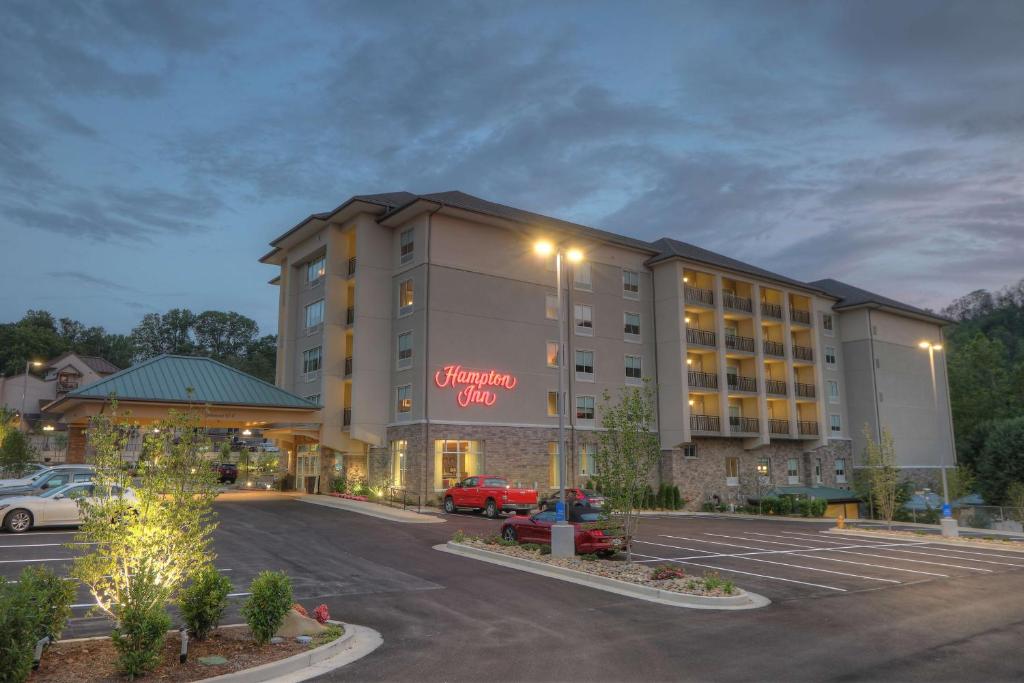
Hampton Inn Gatlinburg Historic Nature Trail
Nestled near the entrance of Great Smoky Mountains National Park and just minutes from the Gatlinburg Convention Center and Space Needle, the Hampton Inn Gatlinburg Historic Nature Trail offers a peaceful yet central stay. Guests can enjoy a complimentary self-serve breakfast each morning, unwind by the outdoor firepit, or relax in the landscaped garden. The hotel also features an indoor pool with sun loungers, a fitness center, and convenient amenities like dry cleaning, concierge service, and multilingual staff. Each of the 114 sound-insulated rooms includes free WiFi, flat-screen TVs with premium channels, and kitchen essentials like refrigerators, dishwashers, and microwaves. With high marks for cleanliness, spaciousness, and a walkable location, this modern retreat makes a great base for both exploring the Smokies and enjoying downtown Gatlinburg.
Buy Now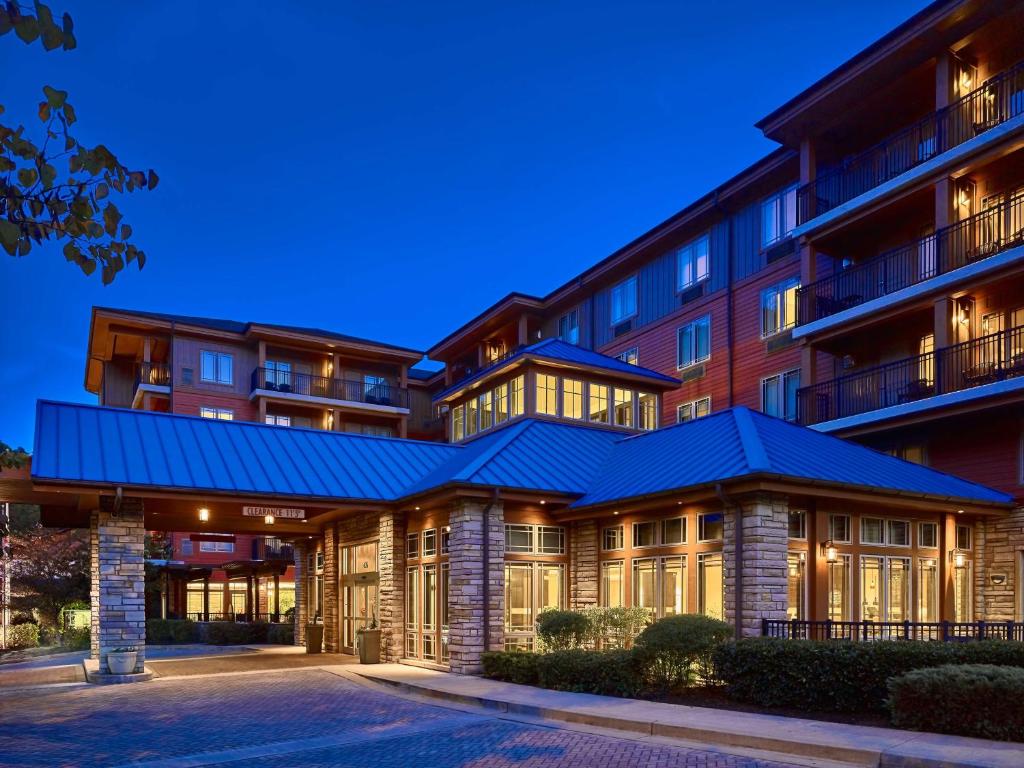
Hilton Garden Inn Gatlinburg
This pet-friendly, smoke-free hotel features free WiFi, an indoor pool and hot tub, on-site dining at the Garden Grille with a bar and happy hour, a fitness center, family-friendly amenities like in-room microwaves and refrigerators, free parking (including accessible options), cooked-to-order breakfast, a business center with over 1,100 sq ft of meeting space, laundry facilities, and convenient access to golf, tennis, hiking, and skiing, all in a five-story building built in 2009 with extensive accessibility features throughout.
Book Now
Historic Rocky Waters Inn
Newly remodeled in 2024, Historic Rocky Waters Inn, A Small Luxury Hotel offers upscale comfort just steps from Ripley’s Aquarium of the Smokies, Anakeesta, and SkyPark. This boutique retreat blends modern elegance with Gatlinburg charm, featuring a scenic terrace, outdoor entertainment space, and a cozy bar. Guests can enjoy breakfast or dinner at the on-site restaurant, The Heirloom Room, and stay connected with free in-room WiFi. Additional perks include free self-parking, concierge service, and express check-in/check-out for added convenience. Each guestroom is thoughtfully designed with premium bedding, air conditioning, and bathrobes, plus modern touches like 50-inch flat-screen TVs, workspaces, and balconies. With glowing reviews for its walkable location and attentive service, this small luxury stay is perfect for travelers seeking both style and substance in the Smokies.
Check Availability
Margaritaville Resort
Conveniently situated in the Gatlinburg part of Gatlinburg (TN), this property puts you close to attractions and interesting dining options. This 4-star property is packed with in-house facilities to improve the quality and joy of your stay.
Buy Now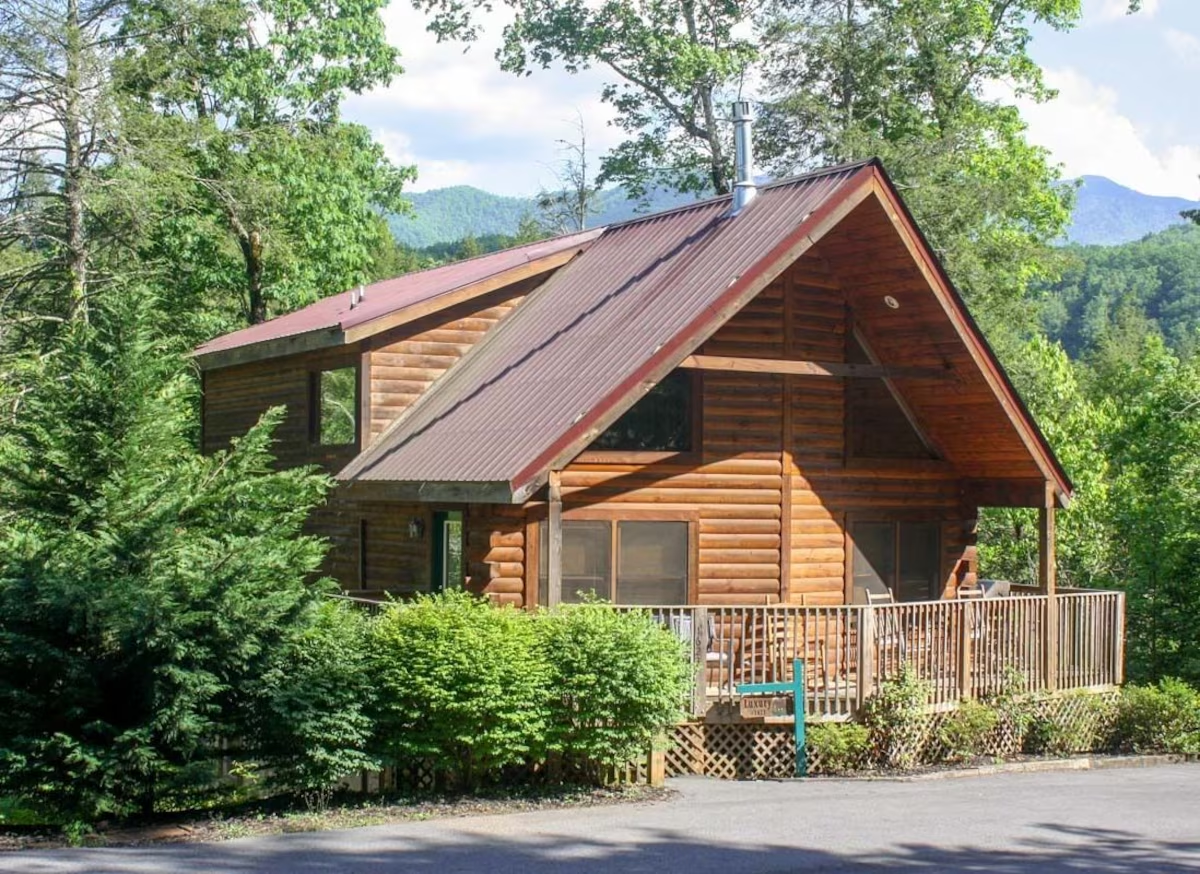
Mountain Shadow Resort & Rentals
Experience rustic luxury in the heart of the Smokies at Mountain Shadows Resort Rentals, where charming log cabins meet modern convenience. Whether you're planning a romantic honeymoon or a lively family reunion, this resort offers spacious accommodations complete with hot tubs, fireplaces, fully equipped kitchens, game rooms, and even gas/electric grills for cookouts under the stars. Guests can enjoy on-site amenities like a seasonal swimming pool, children’s playground, free high-speed WiFi, and pet-friendly options—making it easy for everyone to feel at home. Nestled adjacent to the Great Smoky Mountains National Park and conveniently located near the Gatlinburg trolley line, you're never far from scenic hikes, mountain views, and local attractions. While the resort holds an average rating of 3.1, many guests appreciate its peaceful setting and unique log-home atmosphere. With family rooms, non-smoking options, and features like whirlpool tubs and fireplaces, Mountain Shadows Resort invites you to unwind, explore, and make lasting memories in one of Gatlinburg’s most scenic spots.
Buy Now
River Edge Inn
Conveniently located near the Gatlinburg Convention Center, Gatlinburg Space Needle, and Ripley's Believe It or Not Museum, River Edge Inn offers a welcoming stay just steps from the action. Guests can start their day with a complimentary to-go breakfast, relax on the terrace, or unwind by the cozy lobby fireplace. The hotel features a seasonal outdoor pool and children’s pool with sun loungers, as well as a snack bar/deli, free self-parking, and high-speed in-room WiFi (50+ Mbps). Each guestroom is equipped with premium bedding, air conditioning, a private balcony, and essentials like a microwave, refrigerator, and 32-inch TV with premium channels. Families will appreciate extras like hypoallergenic bedding and available cribs, while guest reviews consistently praise the helpful staff and clean, comfortable rooms. Whether you're here for business or a mountain getaway, River Edge Inn delivers easy comfort in a prime downtown location.
Buy Now
River Terrace Resort and Convention Center
Just steps from Ripley’s Aquarium of the Smokies, Anakeesta, and SkyPark, River Terrace Resort & Convention Center offers comfort, convenience, and a touch of Southern hospitality in the heart of Gatlinburg. Guests enjoy a complimentary to-go breakfast each morning and can take advantage of an outdoor pool, free self-parking, and practical amenities like laundry facilities and a business center. The resort also offers concierge service, tour assistance, and express check-out to make your stay hassle-free. Each of the 205 rooms is equipped with air conditioning, flat-screen TVs, in-room safes, and free WiFi, along with bathrooms that feature hydromassage showers or tubs. With high marks for its friendly staff and central location, River Terrace is an ideal base for exploring the Smokies or attending events downtown.
Buy Now
Sidney James Mountain Lodge
Set against the scenic backdrop of the Smoky Mountains, Sidney James Mountain Lodge offers a warm, family-friendly retreat just minutes from Gatlinburg’s top attractions. Guests enjoy free WiFi, cozy rooms with flat-screen TVs, in-room coffee, air conditioning, and private balconies in select accommodations. Relax in style with access to three outdoor pools, a serene indoor pool, a kids' pool, and a soothing sauna—perfect after a day of exploring. On-site free parking adds convenience, while the Poolside Café, serving breakfast and lunch, makes grabbing a bite easy. Located near beloved local art galleries like Fowler’s Clay Works and the Great Smoky Arts & Crafts Community, Sidney James is more than just a place to stay—it’s a gateway to the charm and adventure of Gatlinburg. Pet-friendly and offering a variety of room types including suites, it’s a comfortable, value-rich option for families, couples, and explorers alike.
Book Now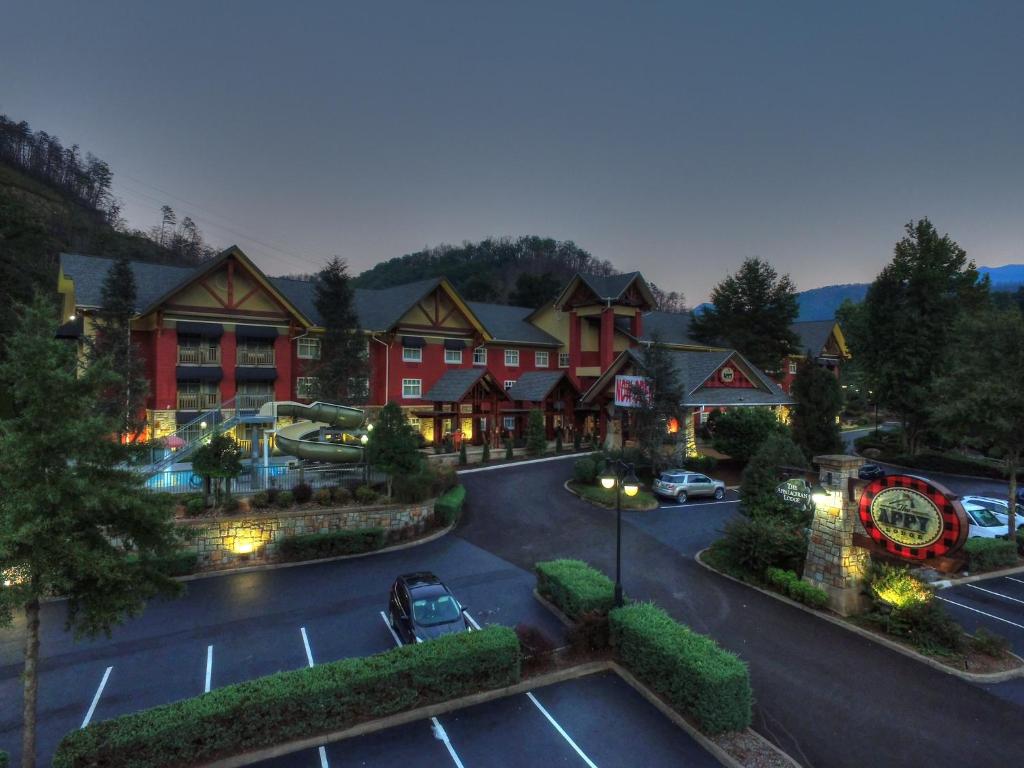
The Appy Lodge
Just a short distance from Anakeesta, Ripley’s Aquarium of the Smokies, and Ole Smoky Moonshine Distillery, The Appy Lodge offers a charming blend of comfort and convenience in the heart of Gatlinburg. Guests can unwind in the hot tub, enjoy a swim in either the seasonal outdoor pool or indoor pool, and stay active at the on-site gym. The hotel also features a terrace, business center, gift shop, and free self-parking. Each of the 101 rooms is designed with guest comfort in mind, offering premium bedding, air conditioning, free WiFi, and thoughtful amenities like flat-screen TVs, mini fridges, and microwaves. With laundry facilities, 24-hour front desk service, and tour assistance available, The Appy Lodge delivers a relaxed, welcoming stay just minutes from the area’s top attractions.
Buy Now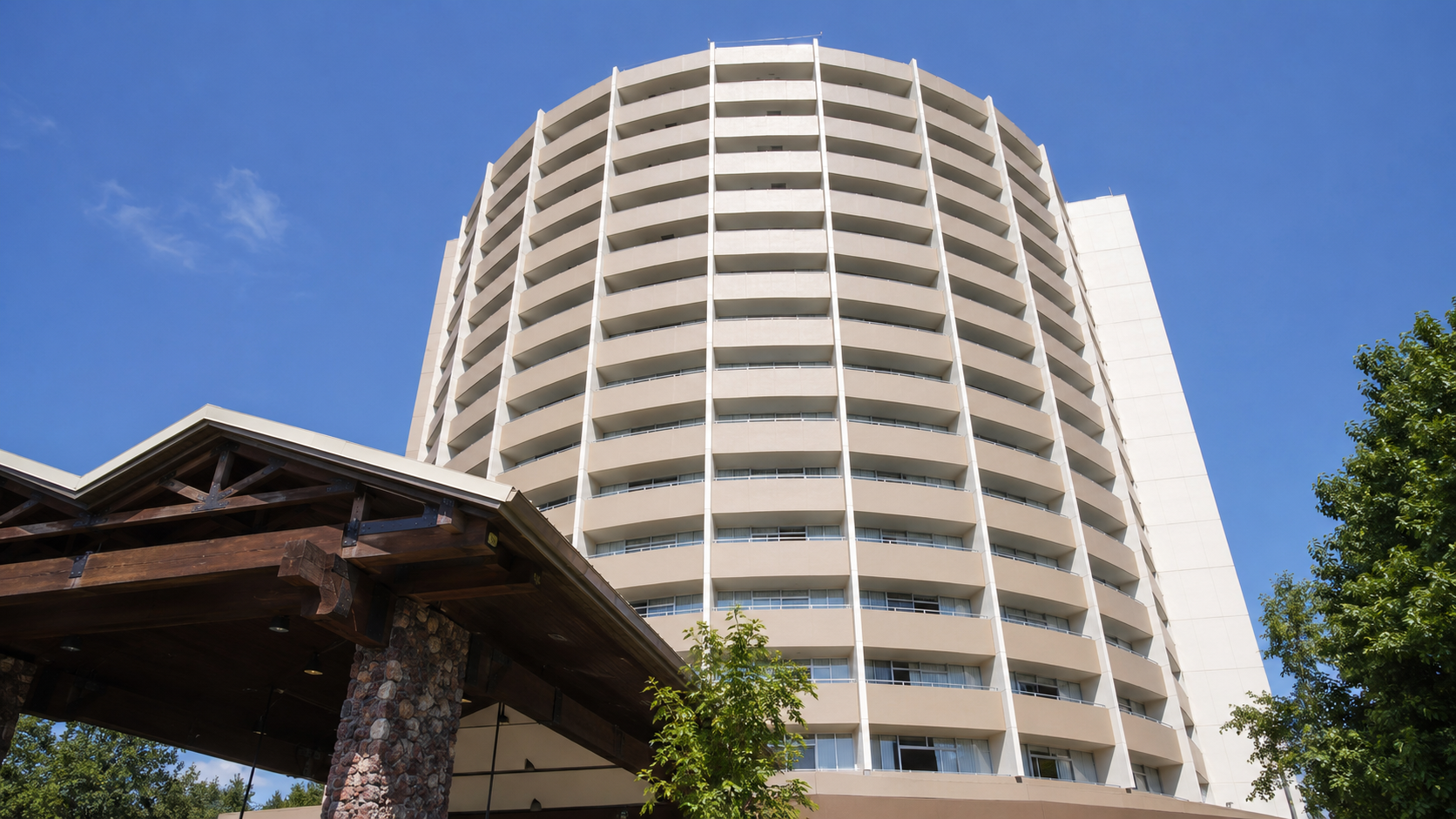
The Park Vista
Rising above downtown Gatlinburg on Cherokee Orchard Road, The Park Vista offers a quieter hillside stay with sweeping city and Smoky Mountain views. Families can enjoy the multi-level indoor pool complex with waterslides, a children’s area, and whirlpool, while several on-site dining options make breakfast, coffee, drinks, and relaxed evening meals convenient. Guest rooms include king, two-queen, and double-king configurations, with select rooms offering balconies and designated mountain or city views. Complimentary Wi-Fi, Hilton Honors benefits, connecting-room options, and a free Gatlinburg trolley stop at the hotel add practical value. Breakfast and self-parking cost extra, so compare the complete rate before booking. With its distinctive circular tower, full-service amenities, and separation from the Parkway crowds, The Park Vista is especially well suited to families, couples, and national park visitors who value scenery over immediate downtown walkability.
Check Availability Now
Greystone Lodge on the River
Set beside the river in the heart of downtown Gatlinburg, Greystone Lodge on the River offers an exceptionally convenient base beside Ripley’s Aquarium of the Smokies and just across the Parkway from Anakeesta. Guests receive complimentary breakfast, free self-parking, free Wi-Fi, and access to a seasonal heated outdoor pool with a waterslide. Every room includes a balcony or ground-floor patio, while selected riverfront rooms and suites add water views, fireplaces, soaking tubs, or family-friendly sleeping arrangements. A trolley stop at the hotel entrance provides another easy way to explore town. Greystone does not offer an indoor pool, spa, or on-site restaurant, and not every room overlooks the river, so check the exact room category before booking. With its walkable location, included essentials, and relaxed riverfront setting, Greystone is especially well suited to families, couples, and first-time visitors who want to leave the car parked and spend their holiday exploring Gatlinburg.
Check Availability Now
Embassy Suites by Hilton Gatlinburg Resort
Set less than half a mile from downtown Gatlinburg, Embassy Suites by Hilton Gatlinburg Resort offers a modern, family-focused stay near the Great Smoky Mountains National Park. Guests receive complimentary made-to-order breakfast, free Wi-Fi, and access to the nightly Evening Reception. Spacious accommodations, an indoor pool, and a seasonal outdoor pool complex with a lazy river and waterslide make the resort particularly appealing to families planning a multi-night stay. An on-site restaurant, bar, fitness centre, and pet-friendly rooms add further convenience. Embassy Suites is not directly on the Parkway, however, and the uphill return from downtown may prove tiring for young children or travellers with limited mobility. On-site self-parking also carries a nightly charge, while the lazy river and waterslide are seasonal. With its additional living space, included breakfast, and unusually strong pool facilities, Embassy Suites is best suited to families and larger groups who will use the amenities enough to justify the higher total price.
Check Availability Now
Old Creek Lodge
Set along a mountain stream on River Road, Old Creek Lodge offers a comfortable base between downtown Gatlinburg and the entrance to Great Smoky Mountains National Park. Every room includes a private stream-facing balcony, gas fireplace, mini-refrigerator, microwave, and Keurig coffee maker, giving the property more character and practicality than a typical downtown hotel. Guests also receive complimentary continental breakfast, free Wi-Fi, free on-site parking, and access to a heated seasonal outdoor pool. The western Parkway, Ober Mountain Aerial Tramway, and several restaurants and attractions are within walking distance, although destinations near Ripley’s Aquarium and Anakeesta require a longer stroll. Old Creek Lodge does not offer an indoor pool, restaurant, bar, spa, or extensive resort facilities, and pets are not permitted. Whirlpool tubs are available only in selected Spa room categories. With its creekside balconies, fireplaces, convenient location, and consistently strong guest feedback for cleanliness and service, Old Creek Lodge is particularly well suited to couples, small families, and park-focused travelers who prefer room atmosphere and walkability over resort-style extras.
Check Availability Now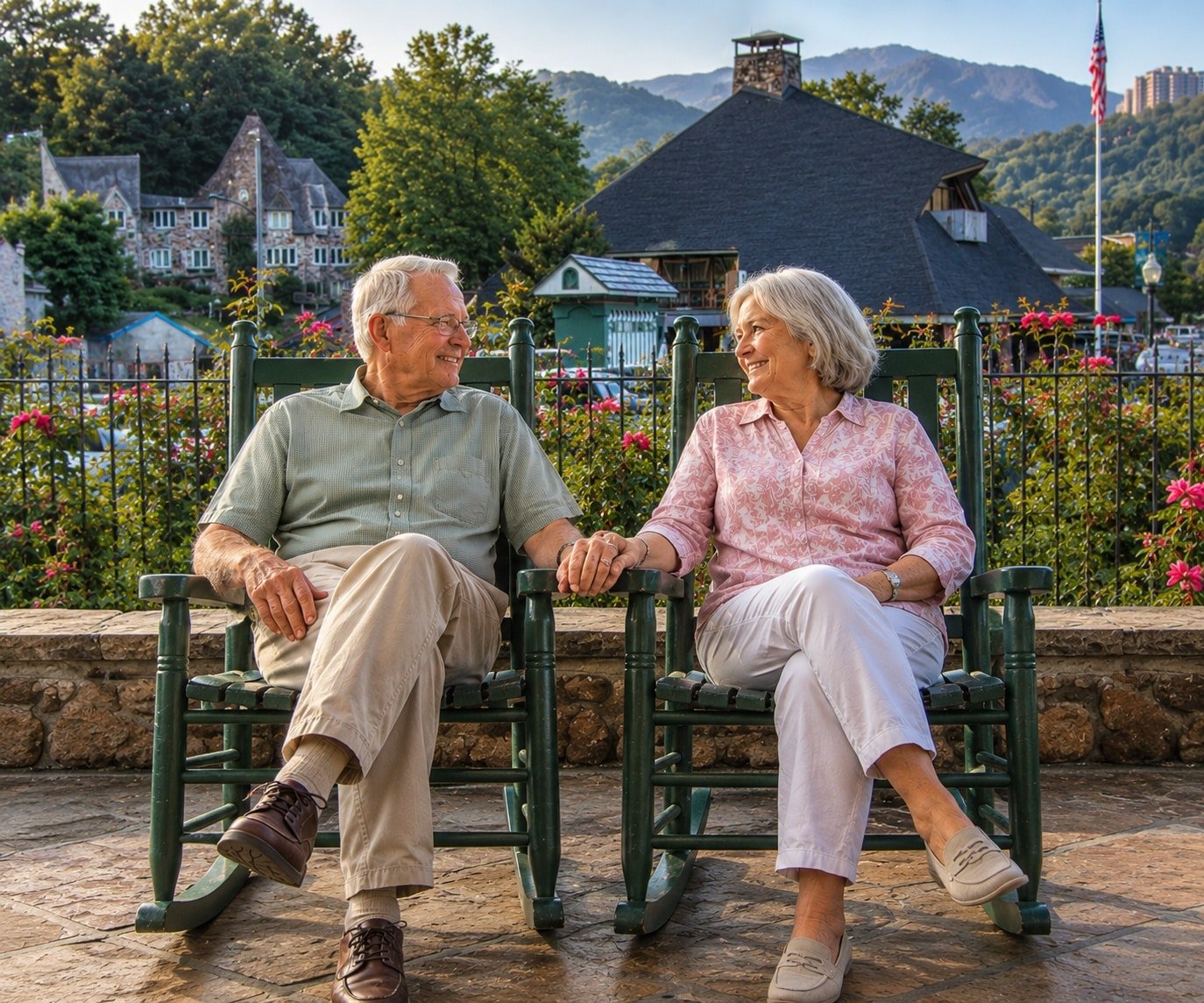
The Historic Gatlinburg Inn
Set directly on the Parkway in the heart of downtown, The Historic Gatlinburg Inn offers a characterful base beside Gatlinburg SkyPark and across from the Gatlinburg Space Needle. Guests receive a complimentary Southern hot breakfast, free Wi-Fi, free on-site parking, and access to a seasonal outdoor pool, along with inviting common areas featuring fireplaces, historic photographs, puzzles, and porch rocking chairs. Room layouts vary considerably, with options ranging from traditional standard rooms to corner rooms with wraparound balconies, family suites, parlor arrangements, Presidential Suites, and Room 388, where “Rocky Top” was written. Standard rooms do not automatically include a mini-refrigerator, microwave, or balcony, so guests should confirm the exact category before booking. The inn does not offer an indoor pool, hot tub, spa, fitness centre, full-service restaurant, or bar, and pets are not permitted. With its exceptional walkability, included parking and breakfast, authentic Gatlinburg history, and frequently praised hospitality, The Historic Gatlinburg Inn is particularly well suited to couples, families, music enthusiasts, and repeat visitors who value independent character over modern resort-style amenities.
Check Availability Now


Downtown Gatlinburg
Downtown Gatlinburg is the best choice for visitors who want to park the car and explore on foot. Restaurants, attractions, evening entertainment, and shopping are all within walking distance, making it especially convenient for couples, first-time visitors, and anyone who prefers not to drive after dinner.
The trade-off is that you’ll be staying in the busiest part of town during the most popular season of the year. If being in the middle of the action appeals to you, downtown is difficult to beat. If you’re looking for quiet mornings and uninterrupted mountain views, another area may be a better fit.
Chalet Village
For many fall visitors, Chalet Village offers the balance that makes Gatlinburg special. You’re close enough to reach downtown in just a few minutes, yet high enough on the mountainside to enjoy peaceful mornings, colorful ridges, and the feeling of staying in the Smokies rather than beside them.
This area is particularly well suited for couples, families, and travelers who want the classic cabin experience. Some of my favorite autumn mornings have begun here with coffee on a deck while fog slowly lifted from the valleys below. Before the Parkway begins to fill with visitors, the mountains often feel as though they belong entirely to you.
Arts & Crafts Community
If your idea of a vacation includes slowing down and discovering places that many visitors drive past, the Arts & Crafts Community is an excellent choice. Staying here places you near local galleries, workshops, quieter roads, and one of the most distinctive parts of Gatlinburg.
The atmosphere is noticeably calmer than downtown, making it ideal for travelers who value local character over constant activity. It also provides easy access to the eastern side of Great Smoky Mountains National Park while allowing you to return each evening to a quieter setting.
Pittman Center
Pittman Center is the choice I recommend for visitors who want to immerse themselves in the quieter side of the Smokies. Located east of Gatlinburg, it offers peaceful mountain scenery, winding country roads, and a slower pace that feels removed from the busiest tourist areas without being inconveniently far away.
This area works especially well for repeat visitors, photographers, couples seeking privacy, and anyone who enjoys ending the day listening to the sounds of nature instead of traffic. You’ll drive a little farther to reach downtown, but many travelers find that the additional peace and space more than justify the extra few minutes behind the wheel.
No matter which area you choose, autumn rewards travelers who match their accommodations to the experience they’re hoping to have. Some vacations revolve around restaurants and attractions, while others are built around sunrise views, quiet evenings, and mountain scenery. Choosing the right location allows the rest of your itinerary to fall naturally into place.
For a detailed comparison of hotels, cabins, resorts, and neighborhoods throughout the area, explore Where to Stay in Gatlinburg. It will help you narrow your options based on your travel style, budget, and the kind of fall getaway you’re hoping to create.
Fall Travel Tips Every First-Time Visitor Should Know
The biggest mistake first-time visitors make isn’t choosing the wrong attraction—it’s underestimating how different Gatlinburg feels during peak fall season. The mountains are spectacular, but they also attract some of the year’s largest crowds. A little planning before you arrive can make the difference between a vacation that feels relaxed and one that feels rushed. After many autumn visits, I’ve found that the happiest travelers aren’t necessarily the ones who see the most—they’re the ones who understand the rhythm of the season and plan around it.
What to Pack
Fall weather in the Smokies can change surprisingly quickly, sometimes within the same afternoon. You might begin the morning wearing a fleece while watching fog lift from the valleys, spend midday in short sleeves beneath blue skies, and reach for a jacket again after dinner.
The easiest solution is what many experienced mountain hikers simply call the layering strategy. Wear a lightweight base layer, add a warm mid-layer such as a fleece, and carry a wind- or rain-resistant outer shell. Adjusting your clothing throughout the day is far easier than being too hot or too cold for hours at a time.
Comfortable walking shoes are equally important. Even visitors who don’t plan to hike often walk much farther than expected between downtown attractions, scenic overlooks, and short trails. If hiking is part of your itinerary, choose shoes with good traction, as fallen leaves, damp rocks, and wooden bridges can become surprisingly slick on cool autumn mornings.
A lightweight rain jacket also earns its place in your daypack. Mountain weather has a habit of changing without much warning, and a passing shower doesn’t have to end an otherwise wonderful day.
Avoiding Peak Traffic
Traffic is part of visiting Gatlinburg during fall, but frustration doesn’t have to be. The simplest strategy is also the most effective: begin your day earlier than most visitors. Scenic roads, trailheads, and overlooks feel completely different before mid-morning than they do after lunch.
If you’re staying downtown, my advice is even simpler: park your car once and leave it there. Gatlinburg is surprisingly walkable, and moving your vehicle during a busy October afternoon often creates more stress than convenience. Enjoy the Parkway on foot, use the local trolley when it fits your plans, and save the driving for when you’re leaving town or heading into the national park.
Visitors staying outside downtown should learn a few alternate routes before arriving. The Gatlinburg Bypass can often make entering and leaving town easier, while planning scenic drives on weekday mornings instead of Saturday afternoons usually creates a much more enjoyable experience.
One final tip has served me well over the years: group nearby activities together. Spend the morning exploring the national park, enjoy the afternoon downtown, then settle in for dinner without crossing town several times. Less time behind the wheel almost always leads to a better vacation.
Restaurant Reservations
Autumn is one of the busiest dining seasons in Gatlinburg, especially from late September through the peak foliage weeks of October. Popular restaurants can develop long waits during dinner hours, particularly on weekends.
If dining at a specific restaurant is important to your trip, don’t wait until everyone is hungry to make a plan. Some Gatlinburg favorites offer reservations, while others rely on waitlists or have limited reservation availability depending on the season. It’s worth checking each restaurant’s current policy before your visit so there are no surprises when you arrive.
Flexibility also helps. Lunch is often an easier time to enjoy some of the area’s most popular restaurants, and dining a little earlier than the traditional dinner rush frequently means shorter waits and a more relaxed experience.
Planning Around Peak Leaf Season
One question I hear every year is, “When is the best week to see the fall colors?” The honest answer is that nature doesn’t follow a calendar. Weather, rainfall, elevation, and temperature all influence when leaves reach their peak, and the display unfolds gradually across the mountains rather than appearing everywhere at once.
Rather than chasing one “perfect” weekend, think of autumn as a season instead of a single date. Higher elevations usually begin changing first, while lower elevations continue developing color later into the fall. Beautiful scenery can often be found for several weeks if you’re willing to explore different elevations throughout the Smokies.
If your schedule is flexible, weekday visits almost always provide a more relaxed experience. Parking is generally easier to find, scenic overlooks feel less crowded, and you’ll spend more time enjoying the mountains instead of waiting in traffic.
Perhaps the best advice I can offer is this: don’t let the search for peak foliage become more important than the trip itself. Some of my favorite autumn visits weren’t during the most famous color week. They were the days when I slowed down, accepted whatever the mountains offered, and realized the experience of being there mattered far more than matching a foliage forecast.
Frequently Asked Questions
When do fall colors usually peak?
Peak fall color changes slightly every year because weather, rainfall, and temperature all influence when leaves begin changing. In general, higher elevations inside Great Smoky Mountains National Park begin showing color first, with lower elevations around Gatlinburg following later. Rather than focusing on one “perfect” weekend, think of autumn as a season that unfolds over several weeks. You’ll often find beautiful color somewhere in the Smokies from late September through much of November if you’re willing to explore different elevations.
How crowded is Gatlinburg in October?
October is one of Gatlinburg’s busiest months, particularly during weekends when fall foliage reaches its peak. Popular scenic drives, restaurants, and attractions can all become crowded by late morning. The good news is that most of the congestion can be managed with an early start, weekday visits whenever possible, and realistic expectations. Instead of trying to see everything in one day, focus on one area at a time and let the mountains set the pace.
Is November still worth visiting?
Absolutely. In fact, November has become one of my favorite times to visit. While some of the brightest foliage has usually passed at the highest elevations, lower areas often continue displaying beautiful color early in the month. Crowds generally begin to ease after peak foliage, temperatures become pleasantly cool, and Gatlinburg gradually transitions into its holiday season with festive decorations and a quieter atmosphere.
What should I pack?
The smartest approach is to pack for changing conditions rather than one forecast. Dress in layers so you can adjust throughout the day, wear comfortable walking shoes, and bring a lightweight rain jacket just in case mountain weather changes unexpectedly. Even if you don’t plan to hike, you’ll likely spend more time walking than you expect between downtown attractions, scenic overlooks, and short nature trails.
Can you enjoy Gatlinburg without hiking?
Definitely. Some of the area’s most memorable experiences require very little walking at all. Scenic drives, mountain overlooks, downtown strolls, local restaurants, artisan shops, chairlift attractions, and relaxing on a cabin deck all showcase the beauty of autumn without requiring a strenuous hike. The Smokies are just as rewarding for travelers who prefer scenic viewpoints as they are for experienced hikers.
How many days should I stay?
Three to four days is a comfortable amount of time for most first-time visitors. That gives you enough flexibility to enjoy the national park, explore downtown Gatlinburg, experience a scenic drive, enjoy several excellent restaurants, and still leave room for slower moments without feeling rushed. If hiking is a major priority or you’d like to explore surrounding communities, adding an extra day or two makes the trip even more enjoyable.
Do restaurants require reservations?
It depends on the restaurant and the time of year, but during peak fall season it’s wise to plan ahead. Some of Gatlinburg’s most popular restaurants accept reservations, while others rely on waitlists or have limited reservation availability. If a particular restaurant is an important part of your trip, check its current reservation policy before you arrive. During October especially, dining a little earlier in the evening can also help you avoid the longest waits and create a much more relaxed finish to the day.
Final Thoughts: Slow Down and Enjoy an Autumn Day in the Smokies
One of my favorite memories of Gatlinburg didn’t happen at a famous overlook, inside a popular attraction, or during the brightest week of fall color. It happened on an ordinary October morning when I found myself sitting quietly on a cabin deck with a cup of coffee, watching the fog slowly lift from the valleys below. For nearly half an hour, nothing remarkable happened. The mountains simply woke up. Looking back, it’s one of the moments I remember most.
That’s what autumn in the Smokies has taught me over the years. The mountains don’t reward travelers who rush from one attraction to the next trying to check every box. They reward the people willing to slow down long enough to notice the changing light across a hillside, the sound of a creek beside the road, or the way an entire valley seems to glow for a few brief minutes before sunset. Those are the moments that stay with you long after the photographs have been filed away.
As you plan your own visit, leave a little room for the unexpected. Build an itinerary, but don’t schedule every minute. Stop at the overlook that wasn’t on your map. Take the quieter road because it looks interesting. Sit beside the river for a while instead of immediately heading to the next attraction. Wander through downtown without worrying whether you’re making the most efficient use of your time. Some of the best memories are the ones you never planned to make.
Autumn also has a way of reminding us that every season is temporary. The leaves won’t stay brilliant forever, the morning fog eventually disappears, and another sunset always gives way to night. Perhaps that’s why the season feels so meaningful. It quietly encourages us to pay attention while the moment is still here.
I hope this guide helps you experience Gatlinburg the way I’ve come to appreciate it over many visits—not as a checklist of attractions, but as a place best enjoyed one unhurried moment at a time.
As you continue planning your trip, you’ll find even more ideas in Things To Do In Gatlinburg, discover additional dining inspiration in Gatlinburg Restaurants, and compare the best areas to stay in Where to Stay in Gatlinburg. Whether this is your first visit or your tenth, I hope your autumn getaway leaves you with the same feeling that keeps bringing me back: the quiet certainty that the Smokies always have another beautiful season waiting to be discovered.
