
Mountain trails, waterfalls, scenic drives, local crafts, river walks, and a few Gatlinburg experiences that prove you don’t have to open your wallet every hour.

You Don’t Have to Spend a Fortune to Enjoy Gatlinburg
Gatlinburg makes spending money remarkably easy. Walk a few blocks down the Parkway and you’ll pass enough attractions, souvenir shops, candy counters, and flashing signs to empty a vacation budget before lunch.
But I’ve returned to Gatlinburg enough times to know that paying admission isn’t the same thing as having a good day here. Some of the experiences I remember best didn’t require a ticket: walking beside the Little Pigeon River, following a trail into the woods, watching fog lift from the mountains, or wandering through a craft shop where the person behind the counter actually made what’s on the shelf.
That’s the trick to doing Gatlinburg on a budget. Spend money where it genuinely improves your trip, and let the mountains handle the rest.
One important technicality: Great Smoky Mountains National Park has no entrance fee, but parking isn’t necessarily free. Leave your vehicle inside the park for more than 15 minutes and you’ll generally need a parking tag.
With that understood, there is plenty around Gatlinburg that’s genuinely worth doing without reaching for your wallet.
The Best Free Things to Do in Gatlinburg at a Glance
Gatlinburg gives you plenty of opportunities to spend $30 before breakfast. The trick is knowing when you don’t need to. Between the town and the Smokies, you can hike, find a waterfall, browse Appalachian crafts, ride the trolley, or simply enjoy the mountains without buying admission to anything.
Here’s the short version before we explore each one.
| Free Experience | Best For | Time Needed | Important Catch |
| Gatlinburg Trail | Easy hiking | 1–2 hours | Park parking tag may apply |
| Cataract Falls | Families | 30–60 min. | Parking tag may apply |
| Sugarlands Visitor Center | First-time visitors | 30–60 min. | Parking tag may apply |
| Sugarlands Valley Nature Trail | Easy, accessible walk | 30 min. | Parking tag may apply |
| Roaring Fork Motor Nature Trail | Scenic driving | 2–3 hours | Seasonal road |
| Gatlinburg Scenic Overlook | Photography | 15–30 min. | Limited stopping/parking |
| River Road | Quiet downtown walk | 30–60 min. | Free if walking from town |
| Downtown Parkway | People-watching | 1–2 hours | Shopping costs extra |
| Arts & Crafts Community | Local culture | 2–4 hours | Purchases optional |
| Arrowmont galleries | Art lovers | 30–60 min. | Check gallery hours |
| Gatlinburg Trolley | Getting around | Varies | Route schedules vary |
| Free seasonal events | Families and couples | Varies | Dates change yearly |
Gatlinburg travel tip: The Smokies don’t charge admission, but your car is another matter. Park inside Great Smoky Mountains National Park for more than 15 minutes and you’ll generally need a parking tag. If you’re exploring the park for several days, buy the weekly tag and be done with it. It’s cheaper than three daily tags and one less bit of vacation bookkeeping.
And don’t treat “free” as code for second-rate. A quiet walk beside a mountain stream can be more memorable than another hour standing in line for something with a gift shop at the exit.
If you want to mix these freebies with a few carefully chosen paid experiences, our Things to Do in Gatlinburg guide covers the options worth considering.
1. Walk the Gatlinburg Trail
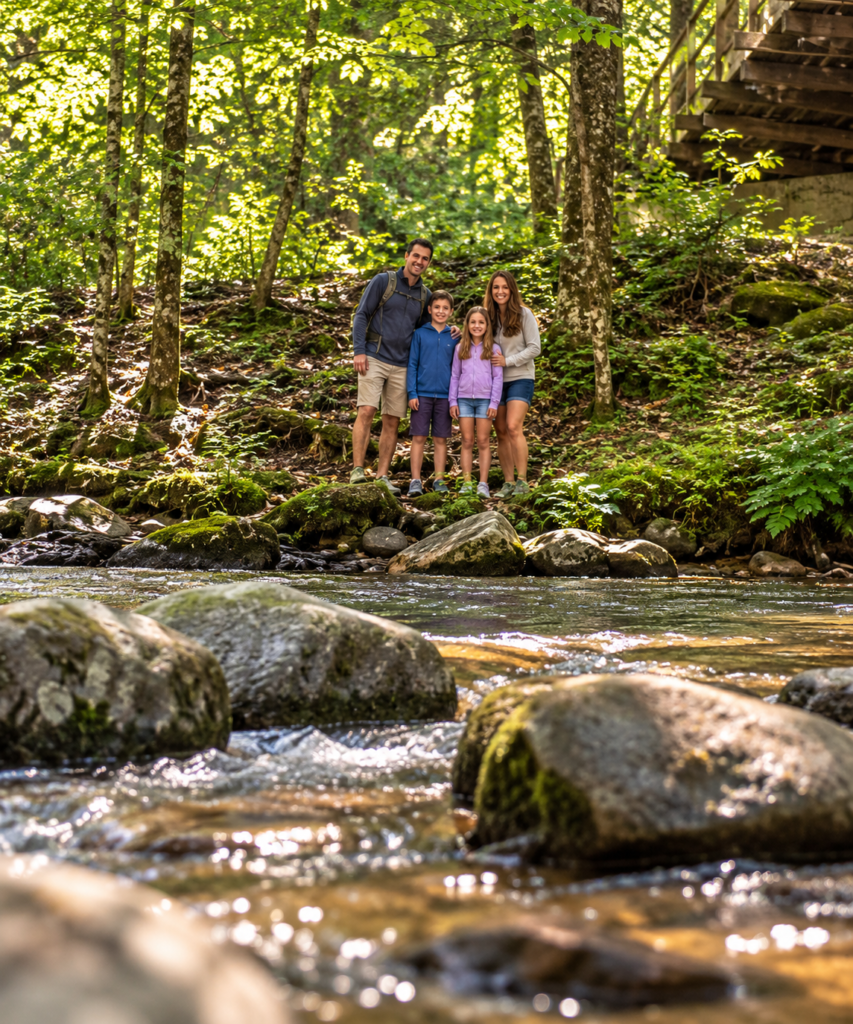
The Gatlinburg Trail isn’t the hike I’d choose for big views or bragging rights. That’s precisely why I like it. It’s an easy way to trade the Parkway’s traffic and blinking signs for the sound of the Little Pigeon River without making an expedition out of it.
The trail runs about two miles each way between Gatlinburg and Sugarlands Visitor Center. It’s mostly gentle going, with hardwood forest, river views, an old chimney or two, and a footbridge that gives you a fine excuse to stop and look around. Families and casual walkers should be comfortable here, and there’s no reason to finish all four miles. Walk until you’ve had your fill, then turn around.
Dogs on leashes and bicycles are permitted, something you’ll find on very few Smokies trails.
The Smart Way to Do It
If you’re already downtown, start from the Gatlinburg end and walk into the park. Drive to a park trailhead and stay longer than 15 minutes, and you’ll need a parking tag. Walking in keeps a genuinely free outing free.
For something with more climbing and bigger scenery, use our Gatlinburg hiking guide to choose your next trail.
2. Walk to Cataract Falls
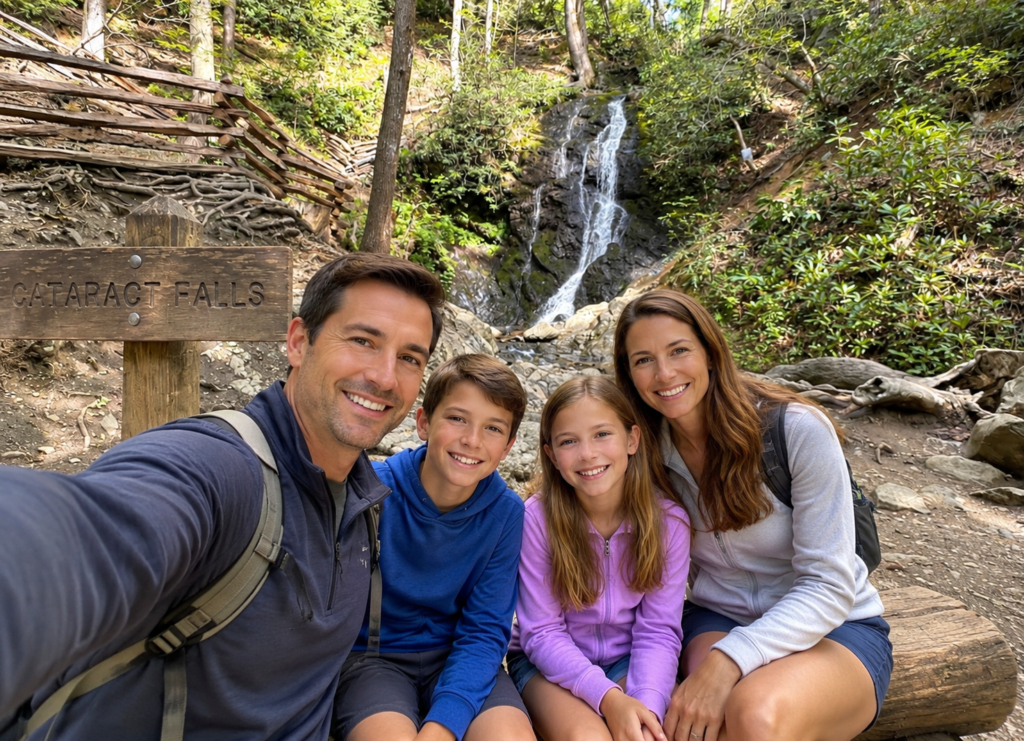
Cataract Falls won’t make anyone’s list of the Smokies’ great waterfalls—and that’s no reason to skip it. Starting behind Sugarlands Visitor Center, this little walk delivers a 40-foot waterfall after only about 0.7 mile round-trip. That’s a pretty good bargain for your legs.
The trail follows Fighting Creek through shady woods, crossing a footbridge before reaching the falls. After a good rain, there’s considerably more water and considerably more reason to pull out the camera. During a dry spell, temper your expectations. This is a pleasant woodland waterfall, not Niagara tucked into Tennessee.
Give it 30–60 minutes. It’s especially useful for families with younger children, travelers easing into the Smokies, or anyone who wants a taste of the woods without turning the morning into a hiking expedition.
I like Cataract Falls best as an add-on to Sugarlands Visitor Center. See the exhibits, talk with a ranger, then stretch your legs on the trail. You’ll get more from the stop without adding much time.
One small catch: park at Sugarlands longer than 15 minutes and you’ll need a Smokies parking tag.
3. Explore Sugarlands Visitor Center
Sugarlands Visitor Center is only two miles from Gatlinburg, and it’s worth stopping before you charge off into the Smokies armed with nothing but enthusiasm and a phone signal that may soon disappear.
Give it 30–60 minutes. The natural-history exhibits introduce the wildlife and forests you’re about to see, and the free 20-minute film provides a quick orientation. But the best resource here doesn’t hang on a wall: the rangers.
Tell them what you’re hoping to do and how much time you’ve got. They can steer you toward a sensible trail, update you on conditions, and sometimes save you from driving across the park only to discover that your carefully planned morning isn’t going to work.
Maps and the park newspaper are available, and seasonal ranger programs add another reason to stop. Sugarlands is also handy when a rainy mountain morning makes hiking less appealing.
Just don’t mistake orientation for sightseeing. Get your bearings, ask your questions, then head outside. The mountains are waiting.
For planning beyond Sugarlands, our Great Smoky Mountains National Park guide<span style=”font-weight: 400;”> covers the bigger picture.
4. Walk the Sugarlands Valley Nature Trail
The Smokies don’t require sore knees and a backpack full of granola bars. Sugarlands Valley Nature Trail proves it.
This flat, paved half-mile loop near Sugarlands Visitor Center follows the West Prong of the Little Pigeon River through quiet woods, passing old stone chimneys and walls left from the families who once lived here. You can comfortably walk it in about 30 minutes, though I’d allow a little longer if the river persuades you to stop.
The real reason this trail belongs on the list is accessibility. It’s currently the only trail in Great Smoky Mountains National Park that meets ADA accessibility standards, giving wheelchair users and travelers who struggle with the park’s rougher trails a genuine way into the woods.
Don’t come looking for a waterfall, mountaintop panorama, or heroic hiking story. Come because sometimes half an hour beside a mountain river is enough. In a town where entertainment often comes with a ticket price, that’s a pretty good deal.
5. Drive the Roaring Fork Motor Nature Trail
Roaring Fork is only 5.5 miles long, but don’t make the rookie mistake of thinking you’ll knock it out in half an hour. Give it two or three. This narrow, one-way road is made for poking along.
The forest closes in around you as the road curls past rushing streams, weathered log cabins, and the remains of old mountain homesteads. Stop when something catches your eye. That’s the point. You’re getting a surprisingly intimate look at the Smokies without hiking several miles to earn it.
Go early if you can, especially in fall. Morning light filters beautifully through the trees, and Roaring Fork loses some of its charm once you’re admiring autumn leaves through the rear window of the car ahead.
What “Free” Means Here
There’s no admission charge, but free doesn’t mean consequence-free. Gas costs money, and parking longer than 15 minutes inside the national park requires a parking tag. Pull-offs and trailhead parking are limited, too; if one is full, keep moving rather than inventing your own parking space.
Roaring Fork is also seasonal. For 2026, vehicle access is scheduled from April 17 through November 29.
If this drive appeals to you, our Roaring Fork Motor Nature Trail guide covers the worthwhile stops in more detail.
6. Stop at the Gatlinburg Scenic Overlook
The Gatlinburg Scenic Overlook is my kind of sightseeing: big payoff, little fuss, and no ticket booth.
Pull off the Gatlinburg Bypass and suddenly the whole arrangement makes sense. Gatlinburg fills the valley below while the Smokies rise behind it, reminding you that this busy little tourist town is really just a small patch of civilization tucked into a very large landscape.
Give it 15 minutes. Stay 30 if the light is good. Early morning is quieter, while fall brings richer color and more photographers competing for the same postcard shot. And don’t sulk if clouds move in. A ribbon of mist hanging between the ridges often improves the view.
Parking is limited. If every space is taken, keep moving and try again later. No photograph is worth creating your own parking spot on a mountain road.
That’s all there is to it—and that’s why I like it. Stop, look, take the picture, and carry on with your day.
7. Walk River Road Along the Little Pigeon River
When you’ve had enough of the Parkway’s blinking signs, traffic, and attractions competing for your attention, slip over to River Road. It’s only a block away, but Gatlinburg immediately turns the volume down.
The Little Pigeon River does most of the work here. Walk beside it, watch fishermen in the water, or claim a bench and do something increasingly rare on vacation: nothing. I like River Road toward evening, when the day’s sightseeing is winding down and the river offers a quieter route through town.
Give it 30–60 minutes, but don’t bother timing yourself. This isn’t a sight to conquer.
Turn It Into a Cheap Evening
Dinner doesn’t need to become another attraction, either. TENNESSEE JED’S is a good stop when a substantial sandwich will do the job. New Orleans Sandwich Company brings po’boys and Cajun flavors into the mix, while Big Daddy’s Pizzeria on River Road is an easy choice when pizza settles the family debate.
Eat simply, wander along the river, and let Gatlinburg entertain you for free. Some evenings don’t need a reservation, showtime, or souvenir attached to them.
For more inexpensive places that are actually worth eating at, see our Cheap Eats in Gatlinburg guide.
8. Wander the Downtown Parkway Without Buying Anything
Gatlinburg’s Parkway is a master class in temptation. Candy shops, souvenirs, attractions, and flashing signs all make the same argument: come inside and spend a little more. You don’t have to.
Leave the car behind and simply walk. Watch taffy being pulled or candy being made through a shop window, duck into The Village for its tucked-away lanes and Old World atmosphere, and enjoy some first-rate people-watching along the way. Between the buildings, the Smokies occasionally peek through and remind you why this town exists in the first place.
I especially like the Parkway after dark or during the holidays, when Gatlinburg turns on the lights and window-shopping becomes entertainment of its own. Give yourself an hour or two, but resist the urge to turn strolling into another checklist.
The Parkway is unabashedly touristy. That’s part of its charm. Enjoy the spectacle, take some photos, browse wherever curiosity leads you, and remember that looking remains wonderfully free.
9. Explore the Great Smoky Arts & Crafts Community
Gatlinburg sells plenty of souvenirs made nowhere near Gatlinburg. The Great Smoky Arts & Crafts Community is where I’d go when I want to see what people here actually make.
The community spreads along an eight-mile loop through the Glades, with more than 80 artists and craftspeople working in pottery, woodworking, leather, jewelry, painting, candles, textiles, and plenty else. Give yourself two to four hours. This isn’t a place to march through with a shopping list.
The pleasure is poking around. Step into a workshop, watch a woodcarver or potter when they’re working, and strike up a conversation. You may buy something; you may not. Browsing costs nothing, and nobody requires you to leave Gatlinburg with another object for the mantel.
Don’t Treat It Like a Souvenir Mall
What makes this loop worth your time isn’t shopping. It’s the connection between Gatlinburg and an Appalachian craft tradition that was here before the T-shirt shops and pancake houses arrived.
Slow down enough to meet the makers. That’s the experience you’re really getting for free.
Our Great Smoky Arts & Crafts Community guide can help you decide which stops deserve your time.
10. Visit the Galleries at Arrowmont School of Arts and Crafts
Just off Gatlinburg’s souvenir-packed Parkway sits something refreshingly serious: a century-old school where people still come to learn, make, and think about art.
Arrowmont’s galleries are free and open to the public, with changing exhibitions featuring contemporary craft, artists-in-residence, instructors, and work from its permanent collection. Give yourself 30–60 minutes. You don’t need to know your ceramics from your sculpture to enjoy wandering through.
I particularly like Arrowmont on a rainy afternoon. While half of Gatlinburg is searching for an indoor attraction with an admission price, you can duck into a gallery and see work that may actually give you something to talk about over dinner.
And don’t expect a dusty little local museum. Exhibitions change throughout the year, so what I see on one visit may be gone by yours. That’s part of the appeal.
Check the current exhibition schedule and public hours before walking over; weekend access can vary.
11. Ride the Gatlinburg Trolley
The Gatlinburg Trolley won’t provide the thrill of a mountain coaster, but it does something nearly as satisfying: it lets somebody else deal with Parkway traffic.
The system is completely fare-free, and routes connect downtown with areas including River Road, East Gatlinburg, the Welcome Center, and—during its operating season—the Great Smoky Arts & Crafts Community. Kids often enjoy the ride simply because it’s a trolley. Adults may appreciate the fact that they’re sitting down.
Here’s the budget trick I like: park for free at the Gatlinburg Welcome Center on Banner Road and take the trolley into downtown. You’ve just avoided paying for downtown parking before you’ve bought so much as a pancake.
Don’t Plan Your Day to the Minute
The trolley works best when you’re flexible. Routes and operating hours vary, and traffic can slow things down considerably. Check the current route map and real-time trolley locator, then use the system when it makes sense rather than building a military campaign around its arrival.
It’s free transportation, not a Swiss train. Adjust your expectations accordingly.

Gatlinburg Travel Guide 2025: Explore the Best Attractions, Outdoor Adventures, and Hidden Gems in the Heart of the Smoky Mountains
This Gatlinburg Travel Guide 2025 isn’t just a book—it’s a doorway to a life-changing adventure. Whether you’re drawn by the mountains, the history, or the people, Gatlinburg promises an experience that will stay with you long after you’ve left. Get ready to create unforgettable memories, and let this guide be your trusted companion along the way.
Buy Now
12. Look for Free Events and Ranger Programs
Before paying for another hour of entertainment, check what’s happening for free. Gatlinburg and the Smokies regularly offer the sort of programs that are easy to miss if your vacation planning begins and ends with attraction websites.
The national park runs seasonal ranger-led activities, with the most consistent schedule generally falling between June and October. Depending on when you visit, you might find nature programs, demonstrations, guided activities, or special events. Gatlinburg adds its own rotating mix of festivals, public entertainment, holiday celebrations, and occasional demonstrations.
Some of the best opportunities are one-offs. In 2026, for example, the Smokies’ Artists-in-Residence program includes free public programs at Sugarlands Visitor Center and free presentations at Arrowmont.
Don’t build your trip around an event you saw listed six months ago. Schedules change, weather interferes, and mountain programs have a habit of reminding us who’s actually in charge.
Check the current park and Gatlinburg calendars shortly before your visit. Ten minutes of homework may turn up something worthwhile that costs precisely nothing.
How to Spend an Entire Day in Gatlinburg for Almost Nothing
Here’s the sort of Gatlinburg day I like: full enough to feel worthwhile, loose enough to still feel like vacation, and remarkably gentle on the wallet.
Start the morning at Sugarlands Visitor Center, then walk the short trail to Cataract Falls. If your legs want more, add the Gatlinburg Trail or the shorter Sugarlands Valley Nature Trail rather than racing off to another attraction.
For lunch, bring a picnic from your cabin or lodging. If packing sandwiches feels suspiciously like work, head downtown and buy something simple.
Spend the afternoon using the free trolley to explore the Great Smoky Arts & Crafts Community. Browse the workshops, talk with the makers, and remember that looking doesn’t obligate you to buy a hand-turned salad bowl.
Toward evening, return downtown for a walk along River Road and the Parkway. If daylight and traffic cooperate, finish at the Gatlinburg Scenic Overlook.
That’s a genuinely satisfying Gatlinburg day without buying a single attraction ticket. Your likely expenses are food, transportation, and a Smokies parking tag if you park inside the national park longer than 15 minutes.
The lesson isn’t to make a vacation into an exercise in not spending money. Save your dollars for the experiences you really want, and let Gatlinburg provide the rest for free.
What’s Free in Gatlinburg — and What Isn’t
“Free” gets used rather creatively in tourist towns. A free sample that deposits you inside a gift shop isn’t quite the same thing as a free afternoon in the mountains.
Here’s the distinction that matters in Gatlinburg:
| Experience | Is It Free? |
| Enter Great Smoky Mountains National Park | Yes |
| Park in the Smokies for 15 minutes or less | Yes |
| Park in the Smokies longer than 15 minutes | No — parking tag required |
| Ride the Gatlinburg Trolley | Yes |
| Walk downtown Gatlinburg | Yes |
| Hike the Gatlinburg Trail | Yes |
| Walk to Cataract Falls | Yes |
| Explore Sugarlands Visitor Center | Yes |
| Walk along River Road | Yes |
| Browse the Arts & Crafts Community | Yes |
| Drive scenic park roads | Yes |
| Visit Gatlinburg’s ticketed attractions | No |
The important wrinkle is the national park. You don’t pay to enter, hike, or drive through the Smokies. But leave your car parked for more than 15 minutes and you’ll generally need a parking tag.
That’s still a bargain. Just don’t arrive expecting “no entrance fee” to mean “I can leave the car anywhere all afternoon for nothing.”
Free Things to Do in Gatlinburg With Kids
Kids have an impressive ability to make a “free vacation day” expensive by lunchtime. Fortunately, Gatlinburg gives parents a few fighting chances.
For younger children, I’d start with Cataract Falls. The walk is short enough to keep complaints manageable, and there’s a waterfall at the end—always more convincing to a child than the promise of “lovely forest scenery.” Sugarlands Visitor Center works well alongside it, especially when a ranger program is scheduled.
The Sugarlands Valley Nature Trail is another easy choice, while a ride on the Gatlinburg Trolley can become an attraction in its own right for small children. Downtown, mix a River Road walk with candy-making windows along the Parkway. Older kids may get more from watching craftspeople work in the Arts & Crafts Community.
One caution for bargain hunters: don’t automatically count the Smokies’ regular Junior Ranger program as free. The activity guide is sold at park visitor centers. Some ranger-led programs are free, however, so check the current schedule before your visit.
The best family freebie is often the simplest one: give the kids somewhere to walk, something interesting to find, and enough time to explore without turning the day into a forced march.
Bearskin Lodge on the River
Tucked near the entrance of Great Smoky Mountains National Park and just minutes from the Gatlinburg Convention Center and Space Needle, Bearskin Lodge on the River offers a cozy, nature-inspired retreat with modern comforts. Guests can relax by the firepit, enjoy a workout in the gym, or float the day away in the seasonal outdoor pool featuring a lazy river. Complimentary perks include free self-parking, in-room WiFi, and coffee or tea in the inviting lobby. Each of the 96 rooms is designed for comfort with premium bedding, air conditioning, flat-screen TVs, and convenient extras like refrigerators, microwaves, and coffee makers. With helpful staff, tour assistance, and a location that blends peaceful riverside views with downtown access, Bearskin Lodge is a favorite for travelers looking to experience the Smokies in style and comfort.
Check Availability
Courtyard by Marriott Gatlinburg Downtown
Set just off the Parkway on Airport Road, Courtyard by Marriott Gatlinburg Downtown offers a modern, convenient base for travelers who want to explore downtown Gatlinburg largely on foot. The hotel features contemporary rooms and suites, including balcony options, along with an indoor swimming pool, outdoor hot tub, fire pit, fitness center, and The Bistro for breakfast, evening meals, and drinks. Its location is particularly convenient for the Gatlinburg Convention Center and provides walkable access to restaurants, shops, the Space Needle, Ober Mountain Aerial Tramway, and many downtown attractions. On-site self-parking currently costs $15 per day, and breakfast is not complimentary, so both should be considered when comparing the total cost with nearby hotels. Courtyard also offers less Smoky Mountain character than Gatlinburg’s historic, riverfront, and resort-style properties. With its combination of modern accommodations, useful indoor amenities, Marriott Bonvoy participation, and downtown walkability, Courtyard is especially well suited to families, couples, convention visitors, and first-time travelers who want the hotel to serve as a comfortable base for exploring Gatlinburg and Great Smoky Mountains National Park.
Check Availablity
Fairfield Inn & Suites by Marriott Gatlinburg Downtown
Just steps from Ripley’s Aquarium of the Smokies, Gatlinburg Convention Center, and the Space Needle, Fairfield Inn & Suites by Marriott Gatlinburg Downtown offers a bright and modern stay in the heart of the action. Guests can enjoy a complimentary continental breakfast each morning, relax in the seasonal outdoor pool or hot tub, and unwind on the terrace or by the lobby fireplace. The hotel also features a fitness center, luggage storage, and convenient dry cleaning services. All 98 guest rooms come with premium bedding, air conditioning, free WiFi, and thoughtful extras like refrigerators, microwaves, and 50-inch LED TVs. Families will appreciate free infant and extra beds, while eco-conscious guests can take comfort in the use of LED lighting and recycling amenities. With rave reviews for its clean rooms, friendly staff, and walkable location, this Marriott property is a standout choice for your next Smoky Mountain getaway.
Buy Now
Gatlinburg River Inn
Just steps from Anakeesta, Ripley’s Aquarium of the Smokies, and SkyPark, Gatlinburg River Inn offers a relaxing stay with thoughtful amenities and scenic comfort. Guests enjoy a complimentary continental breakfast each morning, along with access to a seasonal outdoor pool, children’s pool, and a riverside terrace complete with firepit and hot tub for winding down after a day of exploring. Free in-room WiFi, self-parking, and laundry facilities make your stay even more convenient. The 58 guest rooms feature balconies, mini-fridges, microwaves, and air conditioning, with clean, comfortable spaces that reviewers consistently praise. With a 24-hour front desk, vending machines, and a smoke-free setting, Gatlinburg River Inn is a well-rounded choice for both families and couples looking to stay close to the action in downtown Gatlinburg.
Buy Now
Gatlinburg Town Square By Exploria Resort
Gatlinburg Town Square by Exploria Resorts places you right where the action is, just a short 10-minute stroll from top attractions like the Gatlinburg Convention Center and the Space Needle. Whether you’re looking to stay active at the fitness center or make a splash in the indoor or seasonal outdoor pools, this eco-certified resort has you covered. Kids will love their own dedicated pool, while adults can relax and unwind in the hot tub. Guests frequently rave about the welcoming staff and prime location.
Buy Now
Hampton Inn Gatlinburg Historic Nature Trail
Set just uphill from downtown on Historic Nature Trail, Hampton Inn Gatlinburg Historic Nature Trail offers a quieter base while keeping the Parkway within walking distance. The recently renovated hotel includes complimentary hot breakfast, free Wi-Fi, a heated indoor pool, connecting rooms, pet-friendly accommodations, EV charging, and a relaxing outdoor fire-pit area. A Gatlinburg Trolley stop is right outside, while the Convention Center and W.L. Mills Conference Center are nearby. Self-parking currently costs $15 per day. It is best suited to families, couples, convention visitors, and travelers who want convenient access to both downtown Gatlinburg and Great Smoky Mountains National Park without staying directly on the Parkway.
Check Availability Now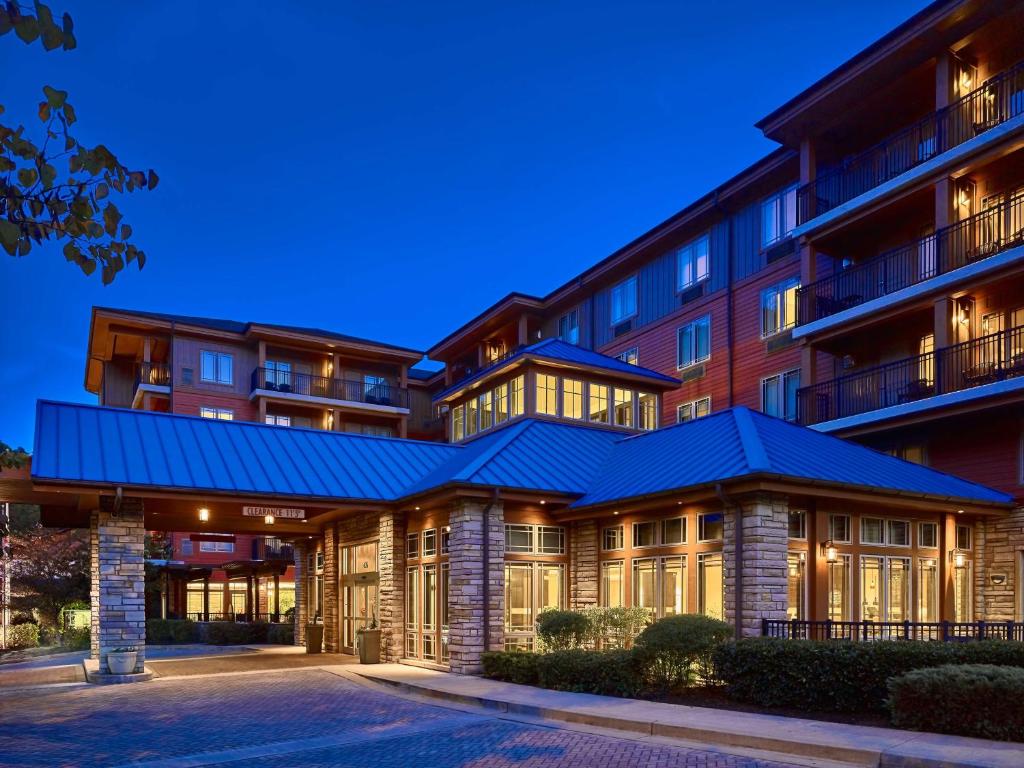
Hilton Garden Inn Gatlinburg
This pet-friendly, smoke-free hotel features free WiFi, an indoor pool and hot tub, on-site dining at the Garden Grille with a bar and happy hour, a fitness center, family-friendly amenities like in-room microwaves and refrigerators, free parking (including accessible options), cooked-to-order breakfast, a business center with over 1,100 sq ft of meeting space, laundry facilities, and convenient access to golf, tennis, hiking, and skiing, all in a five-story building built in 2009 with extensive accessibility features throughout.
Book Now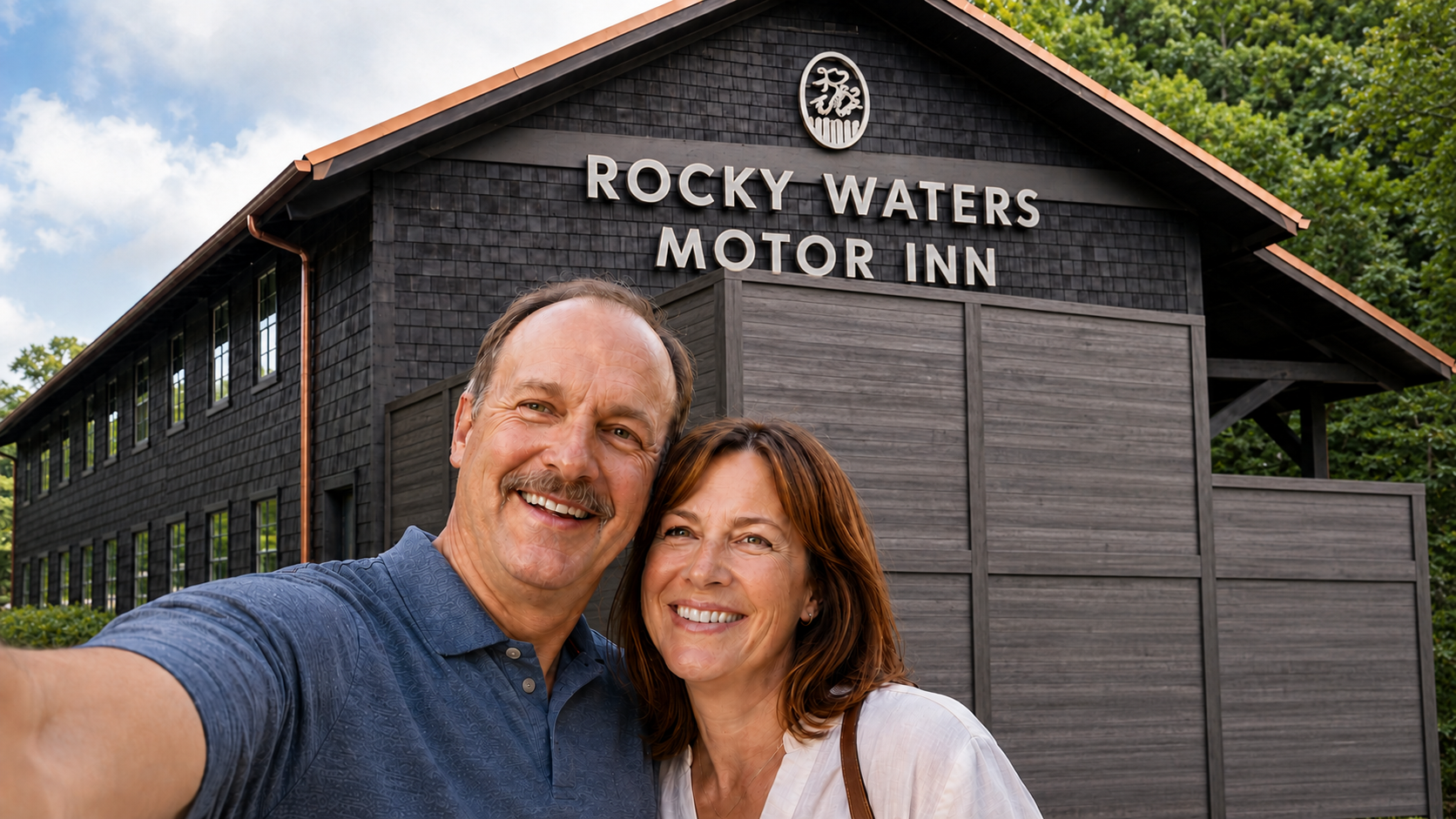
Historic Rocky Waters Inn
Newly remodeled in 2024, Historic Rocky Waters Inn, A Small Luxury Hotel offers upscale comfort just steps from Ripley’s Aquarium of the Smokies, Anakeesta, and SkyPark. This boutique retreat blends modern elegance with Gatlinburg charm, featuring a scenic terrace, outdoor entertainment space, and a cozy bar. Guests can enjoy breakfast or dinner at the on-site restaurant, The Heirloom Room, and stay connected with free in-room WiFi. Additional perks include free self-parking, concierge service, and express check-in/check-out for added convenience. Each guestroom is thoughtfully designed with premium bedding, air conditioning, and bathrobes, plus modern touches like 50-inch flat-screen TVs, workspaces, and balconies. With glowing reviews for its walkable location and attentive service, this small luxury stay is perfect for travelers seeking both style and substance in the Smokies.
Check Availability
Margaritaville Resort
Conveniently situated in the Gatlinburg part of Gatlinburg (TN), this property puts you close to attractions and interesting dining options. This 4-star property is packed with in-house facilities to improve the quality and joy of your stay.
Buy Now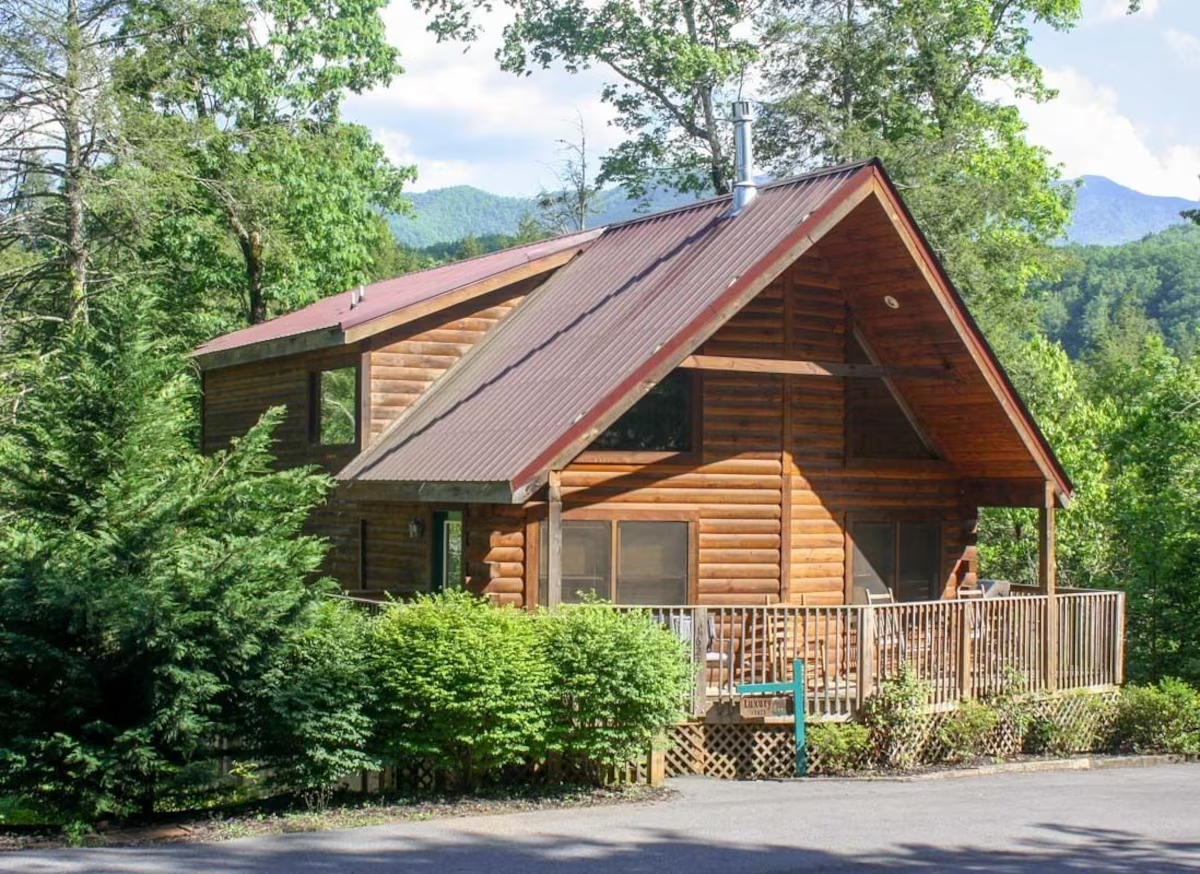
Mountain Shadow Resort & Rentals
Experience rustic luxury in the heart of the Smokies at Mountain Shadows Resort Rentals, where charming log cabins meet modern convenience. Whether you're planning a romantic honeymoon or a lively family reunion, this resort offers spacious accommodations complete with hot tubs, fireplaces, fully equipped kitchens, game rooms, and even gas/electric grills for cookouts under the stars. Guests can enjoy on-site amenities like a seasonal swimming pool, children’s playground, free high-speed WiFi, and pet-friendly options—making it easy for everyone to feel at home. Nestled adjacent to the Great Smoky Mountains National Park and conveniently located near the Gatlinburg trolley line, you're never far from scenic hikes, mountain views, and local attractions. While the resort holds an average rating of 3.1, many guests appreciate its peaceful setting and unique log-home atmosphere. With family rooms, non-smoking options, and features like whirlpool tubs and fireplaces, Mountain Shadows Resort invites you to unwind, explore, and make lasting memories in one of Gatlinburg’s most scenic spots.
Buy Now
River Edge Inn
Conveniently located near the Gatlinburg Convention Center, Gatlinburg Space Needle, and Ripley's Believe It or Not Museum, River Edge Inn offers a welcoming stay just steps from the action. Guests can start their day with a complimentary to-go breakfast, relax on the terrace, or unwind by the cozy lobby fireplace. The hotel features a seasonal outdoor pool and children’s pool with sun loungers, as well as a snack bar/deli, free self-parking, and high-speed in-room WiFi (50+ Mbps). Each guestroom is equipped with premium bedding, air conditioning, a private balcony, and essentials like a microwave, refrigerator, and 32-inch TV with premium channels. Families will appreciate extras like hypoallergenic bedding and available cribs, while guest reviews consistently praise the helpful staff and clean, comfortable rooms. Whether you're here for business or a mountain getaway, River Edge Inn delivers easy comfort in a prime downtown location.
Buy Now
River Terrace Resort and Convention Center
Just steps from Ripley’s Aquarium of the Smokies, Anakeesta, and SkyPark, River Terrace Resort & Convention Center offers comfort, convenience, and a touch of Southern hospitality in the heart of Gatlinburg. Guests enjoy a complimentary to-go breakfast each morning and can take advantage of an outdoor pool, free self-parking, and practical amenities like laundry facilities and a business center. The resort also offers concierge service, tour assistance, and express check-out to make your stay hassle-free. Each of the 205 rooms is equipped with air conditioning, flat-screen TVs, in-room safes, and free WiFi, along with bathrooms that feature hydromassage showers or tubs. With high marks for its friendly staff and central location, River Terrace is an ideal base for exploring the Smokies or attending events downtown.
Buy Now
Sidney James Mountain Lodge
Set against the scenic backdrop of the Smoky Mountains, Sidney James Mountain Lodge offers a warm, family-friendly retreat just minutes from Gatlinburg’s top attractions. Guests enjoy free WiFi, cozy rooms with flat-screen TVs, in-room coffee, air conditioning, and private balconies in select accommodations. Relax in style with access to three outdoor pools, a serene indoor pool, a kids' pool, and a soothing sauna—perfect after a day of exploring. On-site free parking adds convenience, while the Poolside Café, serving breakfast and lunch, makes grabbing a bite easy. Located near beloved local art galleries like Fowler’s Clay Works and the Great Smoky Arts & Crafts Community, Sidney James is more than just a place to stay—it’s a gateway to the charm and adventure of Gatlinburg. Pet-friendly and offering a variety of room types including suites, it’s a comfortable, value-rich option for families, couples, and explorers alike.
Book Now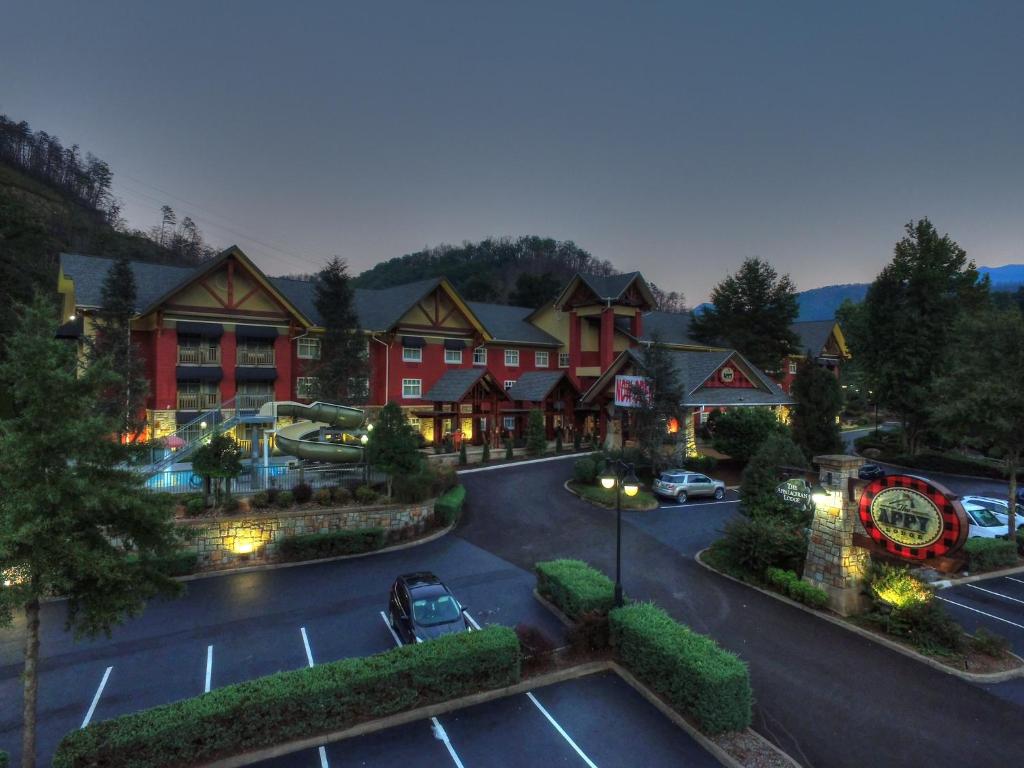
The Appy Lodge
Just a short distance from Anakeesta, Ripley’s Aquarium of the Smokies, and Ole Smoky Moonshine Distillery, The Appy Lodge offers a charming blend of comfort and convenience in the heart of Gatlinburg. Guests can unwind in the hot tub, enjoy a swim in either the seasonal outdoor pool or indoor pool, and stay active at the on-site gym. The hotel also features a terrace, business center, gift shop, and free self-parking. Each of the 101 rooms is designed with guest comfort in mind, offering premium bedding, air conditioning, free WiFi, and thoughtful amenities like flat-screen TVs, mini fridges, and microwaves. With laundry facilities, 24-hour front desk service, and tour assistance available, The Appy Lodge delivers a relaxed, welcoming stay just minutes from the area’s top attractions.
Buy Now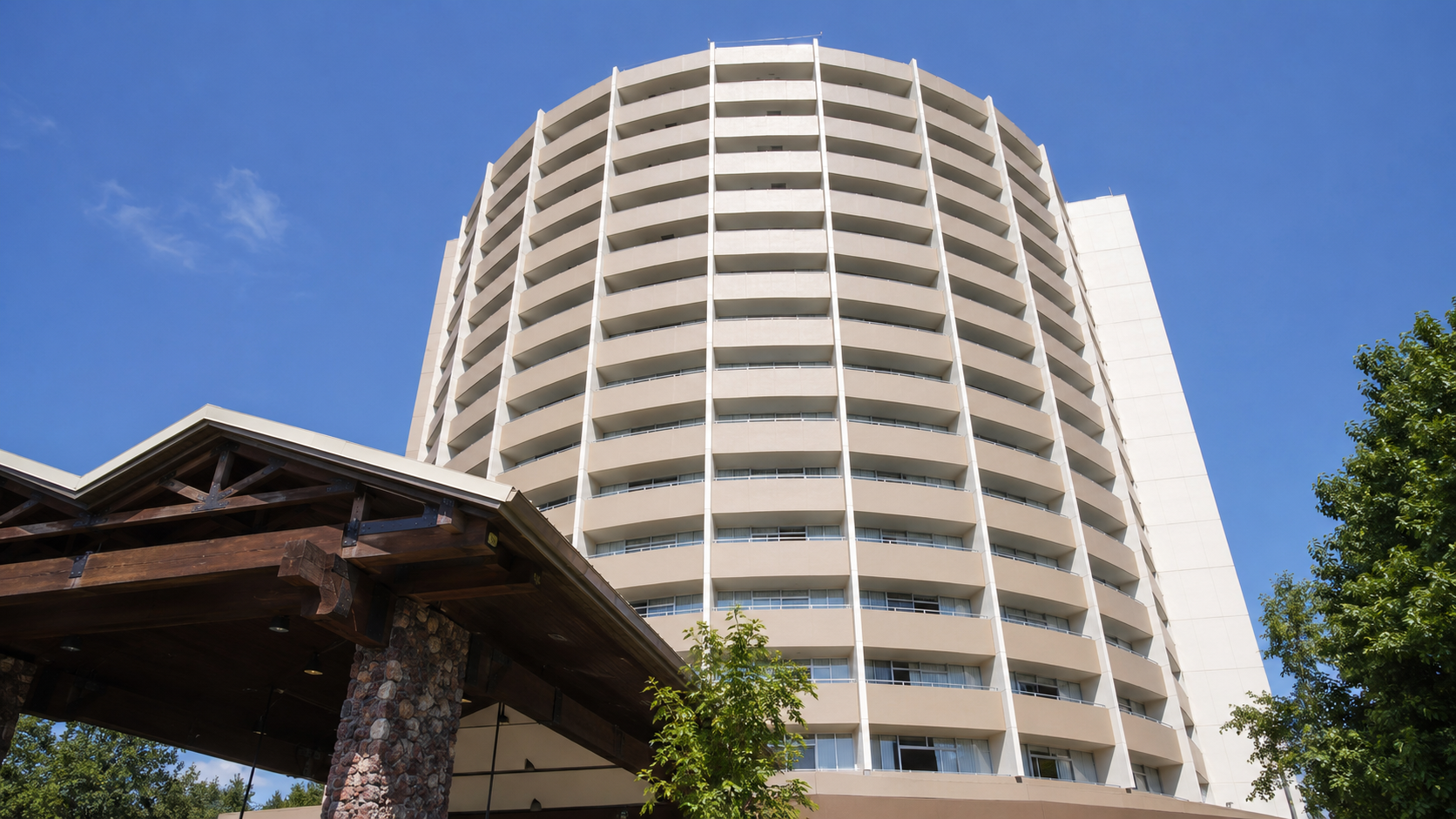
The Park Vista
Rising above downtown Gatlinburg on Cherokee Orchard Road, The Park Vista offers a quieter hillside stay with sweeping city and Smoky Mountain views. Families can enjoy the multi-level indoor pool complex with waterslides, a children’s area, and whirlpool, while several on-site dining options make breakfast, coffee, drinks, and relaxed evening meals convenient. Guest rooms include king, two-queen, and double-king configurations, with select rooms offering balconies and designated mountain or city views. Complimentary Wi-Fi, Hilton Honors benefits, connecting-room options, and a free Gatlinburg trolley stop at the hotel add practical value. Breakfast and self-parking cost extra, so compare the complete rate before booking. With its distinctive circular tower, full-service amenities, and separation from the Parkway crowds, The Park Vista is especially well suited to families, couples, and national park visitors who value scenery over immediate downtown walkability.
Check Availability Now
Greystone Lodge on the River
Set beside the river in the heart of downtown Gatlinburg, Greystone Lodge on the River offers an exceptionally convenient base beside Ripley’s Aquarium of the Smokies and just across the Parkway from Anakeesta. Guests receive complimentary breakfast, free self-parking, free Wi-Fi, and access to a seasonal heated outdoor pool with a waterslide. Every room includes a balcony or ground-floor patio, while selected riverfront rooms and suites add water views, fireplaces, soaking tubs, or family-friendly sleeping arrangements. A trolley stop at the hotel entrance provides another easy way to explore town. Greystone does not offer an indoor pool, spa, or on-site restaurant, and not every room overlooks the river, so check the exact room category before booking. With its walkable location, included essentials, and relaxed riverfront setting, Greystone is especially well suited to families, couples, and first-time visitors who want to leave the car parked and spend their holiday exploring Gatlinburg.
Check Availability Now
Embassy Suites by Hilton Gatlinburg Resort
Set less than half a mile from downtown Gatlinburg, Embassy Suites by Hilton Gatlinburg Resort offers a modern, family-focused stay near the Great Smoky Mountains National Park. Guests receive complimentary made-to-order breakfast, free Wi-Fi, and access to the nightly Evening Reception. Spacious accommodations, an indoor pool, and a seasonal outdoor pool complex with a lazy river and waterslide make the resort particularly appealing to families planning a multi-night stay. An on-site restaurant, bar, fitness centre, and pet-friendly rooms add further convenience. Embassy Suites is not directly on the Parkway, however, and the uphill return from downtown may prove tiring for young children or travellers with limited mobility. On-site self-parking also carries a nightly charge, while the lazy river and waterslide are seasonal. With its additional living space, included breakfast, and unusually strong pool facilities, Embassy Suites is best suited to families and larger groups who will use the amenities enough to justify the higher total price.
Check Availability Now
Old Creek Lodge
Set along a mountain stream on River Road, Old Creek Lodge offers a comfortable base between downtown Gatlinburg and the entrance to Great Smoky Mountains National Park. Every room includes a private stream-facing balcony, gas fireplace, mini-refrigerator, microwave, and Keurig coffee maker, giving the property more character and practicality than a typical downtown hotel. Guests also receive complimentary continental breakfast, free Wi-Fi, free on-site parking, and access to a heated seasonal outdoor pool. The western Parkway, Ober Mountain Aerial Tramway, and several restaurants and attractions are within walking distance, although destinations near Ripley’s Aquarium and Anakeesta require a longer stroll. Old Creek Lodge does not offer an indoor pool, restaurant, bar, spa, or extensive resort facilities, and pets are not permitted. Whirlpool tubs are available only in selected Spa room categories. With its creekside balconies, fireplaces, convenient location, and consistently strong guest feedback for cleanliness and service, Old Creek Lodge is particularly well suited to couples, small families, and park-focused travelers who prefer room atmosphere and walkability over resort-style extras.
Check Availability Now
The Historic Gatlinburg Inn
Set directly on the Parkway in the heart of downtown, The Historic Gatlinburg Inn offers a characterful base beside Gatlinburg SkyPark and across from the Gatlinburg Space Needle. Guests receive a complimentary Southern hot breakfast, free Wi-Fi, free on-site parking, and access to a seasonal outdoor pool, along with inviting common areas featuring fireplaces, historic photographs, puzzles, and porch rocking chairs. Room layouts vary considerably, with options ranging from traditional standard rooms to corner rooms with wraparound balconies, family suites, parlor arrangements, Presidential Suites, and Room 388, where “Rocky Top” was written. Standard rooms do not automatically include a mini-refrigerator, microwave, or balcony, so guests should confirm the exact category before booking. The inn does not offer an indoor pool, hot tub, spa, fitness centre, full-service restaurant, or bar, and pets are not permitted. With its exceptional walkability, included parking and breakfast, authentic Gatlinburg history, and frequently praised hospitality, The Historic Gatlinburg Inn is particularly well suited to couples, families, music enthusiasts, and repeat visitors who value independent character over modern resort-style amenities.
Check Availability Now
Hilton Garden Inn Gatlinburg
Set on River Road just off the busier Parkway, Hilton Garden Inn Gatlinburg offers a comfortable, walkable base near downtown and the Great Smoky Mountains. Rooms include microwaves, mini-refrigerators, and coffee makers, while selected categories add balconies, fireplaces, whirlpool tubs, or additional suite space. Guests also have access to an indoor saltwater pool, outdoor hot tub, courtyard fire pit, fitness center, and The Garden Grille & Bar. The hotel welcomes pets for an additional fee and participates in Hilton Honors. Breakfast is available but generally not complimentary, and on-site self-parking currently costs extra. It is best suited to couples and families who value dependable branded comfort and a slightly quieter downtown location.
Check Availability Now
Hampton Inn Gatlinburg
Set along LeConte Creek at 967 Parkway, Hampton Inn Gatlinburg offers a convenient downtown base near restaurants, attractions, and the Great Smoky Mountains. Rooms include mini-refrigerators, microwaves, and coffee makers, while selected categories add private balconies, creek views, or fireplaces. Guests also have access to complimentary hot breakfast, free Wi-Fi, an outdoor pool, hot tub, and fitness center. The hotel welcomes dogs and cats for an additional fee and participates in Hilton Honors. Covered parking is available, although on-site self-parking currently costs extra. It is best suited to couples, families, pet owners, and park visitors who value excellent Parkway walkability and a creek-side setting more than extensive resort-style amenities.
Check Availability Now
Hotel Indigo
Hotel Indigo Gatlinburg Downtown brings a more modern, boutique feel to the edge of downtown, with 136 rooms and a location that keeps restaurants and attractions within walking distance. Its standout feature is the seasonal heated rooftop infinity pool, joined by mountain views, a pool bar, and Altitude Restaurant & Rooftop Bar. Guests also have a lobby café serving Starbucks, fitness center, free Wi-Fi, EV charging, and dog-friendly accommodations. Self-parking currently costs $15 per day, and the rooftop pool operates seasonally from April 15 through October 31. It is best suited to couples and short-stay visitors who value walkability, contemporary rooms, and a rooftop atmosphere over the extra space and privacy of a cabin.
Check Availability Now


Is Gatlinburg Expensive if You Skip the Attractions?
Gatlinburg can be expensive. Put a family through several ticketed attractions, add downtown parking, restaurant meals, snacks, and a souvenir or three, and your wallet may need a vacation of its own.
But Gatlinburg doesn’t have to be done that way.
The real luxury here is that the Smokies sit right outside town. Hiking trails, waterfalls, mountain drives, river walks, craft browsing, and the Gatlinburg Trolley can fill large chunks of a day without an admission ticket. Even the national park itself remains entrance-fee free, though parking longer than 15 minutes requires a tag.
I wouldn’t make a game of spending nothing. That’s just another way to let money control your vacation.
Instead, choose one paid experience your family genuinely wants to do. Enjoy it without guilt. Then surround it with the good free stuff.
One memorable attraction and an afternoon in the mountains usually beats buying tickets simply because another flashing sign told you to.
Final Thoughts: Gatlinburg’s Best Attraction Doesn’t Have a Ticket Booth
Gatlinburg is very good at selling fun. There’s nothing wrong with that. Ride the mountain coaster, buy the souvenir, and pay for the attraction you’ve been looking forward to.
Just don’t spend so much time buying Gatlinburg that you forget to experience it.
Walk beside the river. Follow a trail into the woods. Watch a potter at work. Pull over when the mountains look particularly good. Sit on a bench for 20 minutes with nowhere you need to be next.
Those moments don’t photograph as dramatically as some of the attractions advertised along the Parkway, but they’re often the ones I remember.
And when the vacation budget starts feeling a little battered, remember what’s sitting just beyond town: hundreds of thousands of acres of Smoky Mountain country that doesn’t require an admission ticket.
Sometimes the best deal in Gatlinburg is simply stepping outside.
Frequently Asked Questions About Free Things to Do in Gatlinburg
Can you really visit Gatlinburg without spending much money?
Yes, particularly if you let the Smokies provide most of the entertainment. Hiking, walking downtown, browsing the Arts & Crafts Community, riding the trolley, and enjoying the river can fill much of a trip. I’d save the vacation budget for one or two paid attractions you genuinely want rather than buying tickets simply because they’re there.
Is Great Smoky Mountains National Park free from Gatlinburg?
Yes. Great Smoky Mountains National Park does not charge an entrance fee. The catch is parking: leave your vehicle inside the park for more than 15 minutes and you’ll generally need a parking tag. Driving through without parking does not require one.
Is the Gatlinburg Trolley really free?
Yes. There are no fares or fees to ride Gatlinburg’s trolley system. You can also park at the Gatlinburg Welcome Center and ride into town, which neatly avoids paying for downtown parking. Check the current route and schedule before relying on it; free transportation is considerably less charming when you’re standing at the wrong stop.
What are the best free things to do in Gatlinburg when it rains?
Start with Sugarlands Visitor Center and the galleries at Arrowmont. The Arts & Crafts Community is another good choice if you’re willing to move between studios and shops in the rain. And don’t automatically abandon the Smokies because the sky turns gray. Mountain mist can be beautiful—just save the trails for another time when conditions make hiking unpleasant or unsafe.