
A Local’s Guide to Experiencing the Smokies at Their Quietest
Things To Do in Gatlinburg in Winter: Your Practical Guide to Snowy Smoky Mountain Adventures
The first time I visited Gatlinburg in winter, I expected little more than Christmas lights and the chance of seeing a little snow. What I discovered instead was a season that quietly transforms the entire town. Winter has a way of slowing Gatlinburg down. The busy sidewalks become easier to wander, mornings begin at a gentler pace, and the surrounding mountains seem to invite you to stop looking at your watch and simply enjoy where you are.
Some of my favorite winter mornings have started before sunrise with a hot cup of coffee and a short walk through downtown while the Parkway was still waking up. The mountain ridges often disappear behind ribbons of fog before gradually revealing themselves as the first light reaches the valleys. It’s a different feeling than visiting during summer or the peak fall foliage season. Instead of rushing from one attraction to the next, winter encourages you to linger over breakfast, spend a little longer at a scenic overlook, or warm yourself beside a fireplace before heading back outside.
That slower rhythm surprises many first-time visitors. Winter in Gatlinburg isn’t always snowy, and it’s important to arrive with realistic expectations. Downtown frequently enjoys cool, crisp days while the higher elevations inside Great Smoky Mountains National Park experience very different conditions. A drive that begins under blue skies can lead to frosty overlooks or even temporary road closures as you gain elevation. Learning to let the weather shape your day—rather than fight it—is one of the lessons that has made every return trip more enjoyable.
If you’re searching for the best Things To Do in Gatlinburg in Winter, you’ll find plenty of articles listing attractions. My goal is different. Rather than telling you everything there is to do, this guide will help you decide what’s actually worth your time during the winter months. You’ll learn which experiences shine when the temperatures drop, which scenic drives remain dependable, where to warm up after spending time outdoors, and how to avoid some of the common mistakes that can turn a relaxing mountain getaway into a frustrating day of changing plans.
Over the years, I’ve also learned that some of the best winter memories come from paying attention to the little details. Breakfast restaurants begin filling earlier on holiday weekends than many visitors expect, yet once you’re seated, the pace feels unhurried. The valleys fall into cool mountain shadows well before the official sunset listed on your phone, making early afternoon a better time for shorter walks than many travelers realize. And while snow often gets the attention, some of the Smokies’ most beautiful winter days arrive with nothing more than clear air, distant mountain views, and the peaceful quiet that settles over the landscape after the busiest seasons have passed.
Winter also rewards travelers who remain flexible. If higher-elevation roads close because of snow or ice, there are still beautiful lower-elevation drives, cozy museums, welcoming restaurants, and peaceful places to explore. Instead of viewing changing conditions as a disappointment, I’ve come to see them as part of the Smoky Mountain experience. Every visit feels a little different, and that’s one of the reasons I keep coming back.
Whether you’re planning a romantic weekend, a family vacation, or simply hoping to experience a quieter side of East Tennessee, this guide is designed to help you make confident decisions instead of guessing your way through the season. Along the way, I’ll share practical advice, honest observations, and the small details that rarely make it into typical travel guides but often make the biggest difference once you’re here.
Before building your itinerary, you may also find it helpful to explore our Things To Do In Gatlinburg guide for year-round inspiration and our Where to Stay in Gatlinburg guide if you’re still deciding whether a downtown hotel, a secluded mountain cabin, or something in between best fits the kind of winter escape you’re planning.
Why Winter Is One of the Best Times to Visit Gatlinburg
Ask ten people about the best season to visit Gatlinburg and most will answer with October’s colorful hillsides or summer family vacations. Winter rarely tops the list, and that’s exactly what makes it so rewarding. Once the holiday rush begins to fade, the town settles into a gentler rhythm. You still have plenty to do, but you’re no longer competing with peak-season crowds for every overlook, restaurant table, or stretch of the Gatlinburg Parkway.
I’ve come to appreciate winter because it encourages a different style of travel. Instead of trying to fit five attractions into one afternoon, I slow down. A leisurely breakfast, a scenic drive with several unplanned stops, and an afternoon warming up beside a fireplace often become the highlights of the day. If you’re searching for the best Things To Do in Gatlinburg in Winter, you’ll quickly discover the season isn’t about seeing more—it’s about experiencing the Smokies more deeply.
Enjoy Gatlinburg at a Slower Pace
Outside of holiday weeks and a handful of long weekends, winter offers something many visitors never experience: room to breathe. By mid-January, the Gatlinburg Parkway generally feels much calmer than it does during the busy summer months or the peak of fall foliage season. Walking through downtown becomes more enjoyable, browsing local shops feels less hurried, and many attractions can be enjoyed without spending a large part of your day standing in line.
That slower pace also makes planning easier. If you’re visiting Great Smoky Mountains National Park, you’ll still need the required parking tag when stopping at trailheads or visitor areas, but finding a parking space is usually much less stressful than during the busiest seasons. I often find that winter gives me the freedom to change plans on a whim. If an overlook catches my eye or a quiet trail seems inviting, I don’t feel pressured to keep moving simply because another crowd is arriving behind me.
Winter is especially rewarding for travelers who appreciate photography, scenic drives, quiet mornings, or simply taking their time. Families still have plenty to enjoy during school breaks, but if your ideal vacation involves fewer crowds and more opportunities to slow down, winter consistently delivers.
The Smokies Look Completely Different in Winter
Many visitors assume the Smokies lose their beauty once the autumn leaves have fallen. I’ve found the opposite to be true. Without dense foliage covering the mountainsides, long-distance views open dramatically. Historic cabins, old stone walls, and distant ridgelines suddenly become part of the landscape in ways they simply aren’t during summer.
Winter mornings are particularly memorable. Crisp air often brings exceptional visibility, while ribbons of fog drift through the valleys before gradually lifting with the morning sun. Even familiar overlooks can feel completely different from one visit to the next. If photography is one of your priorities, plan to be out earlier rather than later. One lesson I’ve learned over the years is that the surrounding mountains cast long shadows across the valleys well before the official sunset listed on your phone. During January, many lower-elevation walks begin slipping into chilly shade by mid-afternoon, making earlier outings far more enjoyable for both photography and comfort.
What Winter Weather Is Really Like
Understanding Smoky Mountain winter weather is one of the best ways to enjoy your trip. Winter in Gatlinburg is far more varied than many first-time visitors expect. December often brings cool days and festive scenery, with occasional snowfall that becomes more common as you climb into the higher elevations. January is typically the coldest month, while February frequently offers hints of spring even though winter weather can still return with little warning. Downtown temperatures often rise into the 40s or even 50s during the afternoon before falling below freezing overnight.
Elevation changes everything. As a practical rule of thumb, temperatures generally drop several degrees for every 1,000 feet you climb into the mountains. A comfortable afternoon along the Parkway can become a windy, below-freezing experience by the time you reach Newfound Gap. That’s why dressing in layers almost always works better than relying on one heavy winter coat.
Winter weather also changes which roads are available. Major routes such as Newfound Gap Road remain open throughout the year whenever conditions allow, but temporary closures due to snow or ice are not unusual. Several scenic roads close for the entire winter season, including Kuwohi Road, which provides seasonal access to Kuwohi, and the Roaring Fork Motor Nature Trail. Knowing about these seasonal closures before you arrive can save both time and disappointment when planning your daily itinerary.
Rain is actually more common than significant snow in downtown Gatlinburg, so waterproof footwear and a dependable jacket are often more useful than heavy snow boots. At the same time, don’t let a rainy forecast discourage you. Some of my favorite winter memories have come on cool, misty days when the mountains disappeared into low clouds and the town took on an entirely different personality. Staying flexible is one of the best travel skills you can bring to a winter visit, because no two days in the Smokies ever seem quite the same.
Start Your Winter Morning with a Great Breakfast
One lesson I’ve learned after many winter trips to Gatlinburg is that the day almost always goes better when it begins with a proper breakfast. Winter naturally slows the town down, and breakfast becomes part of the experience rather than just a meal before the “real” sightseeing begins.
There’s a practical side to this, too. A heavy Appalachian breakfast makes sense when your day may include walking the Parkway in cold air, riding an open-air chairlift, or spending several hours in the national park. On winter mornings, I’d rather start warm, full, and unhurried than rush out the door and spend the next few hours looking for coffee.
Crockett’s Breakfast Camp
If your winter day includes Ober Mountain, a scenic drive, or several hours outside, Crockett’s Breakfast Camp is one of the strongest starts in Gatlinburg. The room has the feel of a mountain lodge, with heavy timbers, stonework, and the kind of rustic energy that makes cold weather feel like part of the fun rather than something to endure.
This is not a light breakfast stop. Crockett’s is best for travelers who want a hearty meal before a full day out, and the portions are part of the draw. Their giant pan-fried cinnamon roll is one of those vacation dishes that makes more sense when shared at the table than ordered as a solo challenge. Pair that with a savory breakfast, and you may not need much else until mid-afternoon.
The key winter tip is to avoid standing outside longer than necessary. Crockett’s does not work like a traditional reservation restaurant, but it does offer a digital waitlist. Before leaving your hotel or cabin, check the waitlist from your phone while everyone is still finding gloves, coats, and hats. On a cold morning, that small bit of planning can be the difference between walking in with purpose and shivering on the sidewalk wondering why you didn’t start earlier.
Log Cabin Pancake House
Log Cabin Pancake House is the breakfast I like for a more practical winter morning. It sits on Historic Nature Trail rather than directly in the thickest part of the downtown Parkway, and that location matters more than visitors realise. If you’re heading toward Great Smoky Mountains National Park after breakfast, this can be a smoother launch point than fighting your way through the busiest downtown blocks.
The other quiet advantage is parking. Dedicated free customer parking is a real perk in Gatlinburg, especially when many visitors are used to paying for private lots downtown. That makes Log Cabin especially useful for families, park-bound travelers, or anyone who wants breakfast without turning parking into the first chore of the day.
Inside, it has the cozy cabin feel you want on a cold morning without trying too hard. Pancakes are the obvious draw, but this is also a good place for a more old-fashioned mountain breakfast. If you want something specific to remember, look for fruit-filled crepes or a plate built around country ham and gravy. It’s not the flashiest breakfast in town, but it is dependable, comfortable, and well positioned for travelers who want to eat well and then get moving.
Pancake Pantry
Pancake Pantry is the classic. If you are searching for the best pancakes in Gatlinburg, this is one of the names that will come up again and again, and with good reason. The restaurant has been part of downtown Gatlinburg for generations, and for many families, eating here is less about convenience and more about tradition.
The question is not whether Pancake Pantry is worth visiting. The better question is whether it fits your morning. On a quieter winter weekday, I think it is absolutely worth considering, especially if you’ve never been. The line may still form early, but the staff is efficient and the dining room moves with the rhythm of a place that has handled big breakfast crowds for decades.
On a busy holiday weekend, I’d be more selective. If the line is long and you have plans inside the national park, I would not sacrifice your best morning hours just to say you ate there. Gatlinburg has enough good breakfast options that flexibility is part of smart travel.
One important update: Pancake Pantry is no longer the cash-only stop many older travel blogs describe. They now accept credit cards, Apple Pay, and Google Pay, so you do not need to plan your morning around finding an ATM. That may sound like a small detail, but in a town where outdated advice circulates for years, it matters.
Experience Real Winter at Ober Mountain
If there’s one place where winter truly comes alive near Gatlinburg, it’s Ober Mountain. As Tennessee’s only ski area, it offers something visitors won’t find anywhere else in the state. While downtown Gatlinburg may have cool mornings and the occasional snowfall, Ober sits high enough above the valley that winter often feels noticeably different. Snow-covered slopes, skiers weaving down the mountain, families laughing in the snow, and sweeping views across the Smokies combine to create an experience that’s about far more than skiing.
One thing I always tell first-time visitors is not to compare Ober Mountain with the enormous ski resorts of the Rockies. That’s missing the point entirely. Ober works because it’s approachable. Families can introduce children to skiing, couples can spend a few relaxing hours on the mountain, and visitors who have never seen much snow can experience a genuine winter day without driving halfway across the country.
Skiing and Snowboarding
Skiing is naturally the main attraction, and Ober’s ten trails spread across approximately 38 skiable acres provide enough variety to keep beginners and intermediate skiers entertained throughout the day. Experienced skiers looking for challenging terrain may find themselves wishing for longer runs, but that’s never been Ober’s goal. Instead, it focuses on creating an enjoyable mountain experience that welcomes newcomers while still offering enough variety for returning visitors.
If you’ve always wanted to try skiing or snowboarding, this is one of the better places to do it. Equipment rentals, lessons, and manageable terrain remove much of the intimidation that larger resorts can create. For travelers who already own an Indy Pass, Ober Mountain’s participation in the network is an added bonus, making it an easy stop during a winter road trip.
My advice is to arrive early. Morning snow conditions are often the best you’ll find all day, rental lines are shorter, and you’ll spend more time on the slopes instead of waiting in queues.
Snow Tubing and Cosmic Tubing
Snow tubing has become one of Ober Mountain’s biggest crowd-pleasers because almost anyone can enjoy it. There is no lesson to take, no special equipment to master, and no experience required. Simply settle into your tube, enjoy the ride downhill, and let the Magic Carpet conveyor lift carry you comfortably back to the top. Parents especially appreciate not having to drag heavy tubes uphill after every run.
One important detail catches many first-time visitors by surprise: tubing operates in scheduled 90-minute sessions. During busy weekends and holiday periods, these sessions often sell out well before arrival. If you’ve reserved a tubing time, build extra time into your schedule.
This becomes especially important if you’re using the Gatlinburg Aerial Tramway. The tram departs from the downtown Tramway Mall before climbing to the mountaintop, and on busy winter days the boarding line itself can become quite long. I recommend arriving at the downtown terminal at least an hour before your scheduled tubing session, and even earlier during Christmas week or holiday weekends. Missing your time slot because you underestimated the tram line is an avoidable disappointment.
If your schedule allows, consider Cosmic Tubing. Evening sessions transform the tubing lanes with colorful lighting and music, creating a completely different atmosphere from daytime rides. It’s particularly popular with teenagers, groups of friends, and families looking for something memorable after dark.
Indoor Ice Skating and Ice Bumper Cars
The indoor skating rink is one of Ober Mountain’s most versatile attractions because it appeals to both skaters and spectators. Even if only part of your group wants to skate, everyone can enjoy the experience. Seating and nearby dining areas allow parents or grandparents to relax with a warm drink while keeping an eye on the rink below.
For visitors who aren’t interested in traditional skating, Ice Bumper Cars have become one of Ober’s most entertaining additions. These spinning electric bumper cars glide across a dedicated section of the ice, making them especially popular with families and anyone looking for something different than a typical skating session. They also provide a welcome indoor activity when winter weather outside becomes especially cold.
I often recommend this part of Ober during the middle of the afternoon. After spending several hours outdoors, warming up inside while still enjoying a winter activity creates a comfortable break before heading back outside for more mountain views.
The Snow Zone
Not every child dreams about skiing. Sometimes the greatest excitement comes from making a first snowball, building a tiny snowman, or simply laughing while playing in the snow.
That’s exactly what makes The Snow Zone such a valuable addition to Ober Mountain. Instead of expecting young children to learn skiing immediately, it gives them a dedicated place to experience snow at their own pace. The area uses maintained snow specifically for family play, allowing children to enjoy winter without the pressure of mastering new equipment or techniques.
Parents often tell me this becomes one of the highlights of their visit because it removes expectations. Rather than rushing from activity to activity, families can simply enjoy being together in the snow. Watching a child experience real snow for the first time rarely follows a schedule, and The Snow Zone gives them room to create those moments naturally.
Before deciding whether Ober Mountain belongs on your itinerary, think about the kind of winter vacation you’re planning. Ober is an excellent fit for families, first-time skiers, couples looking for scenic mountain views, and travelers who simply want to experience a true winter atmosphere. Visitors searching for advanced terrain or destination-resort skiing may be happier elsewhere, but if your goal is enjoying one of the Smokies’ most distinctive winter experiences, Ober Mountain consistently delivers.
Scenic Winter Drives Through the Smokies
One of the great pleasures of visiting the Smokies in winter is that you do not always have to leave your car to experience the mountains. Bare hardwood forests reveal ridgelines hidden for much of the year, rivers become easier to see through the trees, and wildlife often stands out against the muted colours of the landscape. On many winter days, a scenic drive becomes just as rewarding as a hike.
Winter driving does require flexibility. Conditions can change quickly as you gain elevation, and some roads close seasonally while others may close temporarily after snow or ice. Before leaving Gatlinburg, check current road conditions, make sure your vehicle has enough fuel, and remember that any vehicle parked for more than 15 minutes inside Great Smoky Mountains National Park needs a valid Park Parking Tag.
Newfound Gap Road
If you want the classic Smoky Mountain winter drive from Gatlinburg, Newfound Gap Road is usually the first route to consider. The road climbs steadily from town through changing forest zones before reaching Newfound Gap along the Tennessee-North Carolina state line. In winter, that elevation gain is the whole story. A dry, comfortable morning on the Parkway can become windy, icy, and noticeably colder by the time you reach the gap.
As a useful rule of thumb, temperatures often drop several degrees for every 1,000 feet you climb. That means a 45-degree afternoon in downtown Gatlinburg may feel closer to freezing higher in the park, especially when wind is cutting across the overlooks. I always keep gloves and an extra layer in the car, even if town feels mild when I leave.
This drive is best in the morning or early afternoon. Winter light can be beautiful after a cold front, with crisp views stretching across the ridges, but shadows settle early in the valleys. If you plan to stop at overlooks for photos, display your Park Parking Tag and avoid rushing the drive late in the day. Newfound Gap Road remains open year-round only when weather allows, so temporary closures after snow, ice, or high winds are part of winter travel here.
Cades Cove Loop Road
Cades Cove is one of the park’s most rewarding winter drives, but it is not a quick side trip from Gatlinburg. This is the mistake many first-time visitors make. From downtown Gatlinburg, reaching the start of the Cades Cove Loop can take roughly 1 to 1.5 hours each way in good conditions, and the 11-mile one-way loop itself often takes another 2 to 3 hours when you include stops. In practical terms, plan on Cades Cove being a half-day to full-day outing, not something to squeeze between breakfast and lunch.
The reward is a valley that feels quieter and more open than it does in the warmer months. Bare trees reveal mountain views that summer hides, and the historic cabins, churches, and barns stand out more clearly against the winter landscape. Wildlife is also easier to spot across the fields, though patience still matters. This is a place to move slowly, not race through.
Winter also brings a few hard realities. There are no gas stations inside the park, so fill up before you go. Use the restrooms near the entrance area before beginning the loop, because services inside the cove may be limited or closed during the coldest months. The loop road itself is paved, but shaded curves and low spots can hold ice long after sunny areas look clear. At creek crossings and shaded dips, ease off the gas and brake before entering the curve rather than waiting until you are already on a slick patch.
Cades Cove is worth the effort if you have the time and patience for it. If your schedule is tight, save it for another trip instead of turning a peaceful winter drive into a rushed obligation.
Little River Road
Little River Road is my favorite winter backup plan when higher-elevation routes become questionable. It follows the river through lower elevations, making it one of the more dependable scenic drives when Newfound Gap Road is affected by snow or ice.
This route offers a quieter kind of beauty. Instead of grand summit views, you get rushing water, dark rock walls, icy edges along the river, and pull-offs where the Smokies feel close enough to touch. On cold mornings, the scenery can be especially striking, with frozen seeps clinging to the rock faces and mist rising from the water.
For an easy winter photo stop, watch for Meigs Falls. It is visible from the road, which makes it ideal for travelers who want a waterfall view without committing to a cold hike. The Sinks is another worthwhile stop, though you will want to be careful around slick pavement and icy edges near the viewing area.
Little River Road is best for visitors who want mountain scenery without climbing into the highest elevations. It is also a smart choice for families, cautious winter drivers, or anyone who prefers a flexible route with plenty of easy pull-offs.
Roads That Close During Winter
Knowing what is closed can save you from wasting valuable daylight. Many visitors search for Great Smoky Mountains National Park winter road closures only after they have already driven toward a route they cannot use. It is much better to understand the winter map before you leave Gatlinburg.
The two closures that surprise visitors most often are Kuwohi Road, the seasonal access road leading toward Kuwohi, and Roaring Fork Motor Nature Trail. Both close to vehicle traffic during the winter months and reopen when conditions allow in spring. These are wonderful routes in season, but they do not belong in a typical winter driving itinerary.
Rather than trying to force a summer plan into a winter trip, focus on the roads that give you the best chance of a satisfying day. Newfound Gap Road is the classic mountain climb when open. Little River Road is the dependable lower-elevation alternative. Cades Cove is a beautiful but time-consuming commitment. That simple framework will help you make better decisions once weather, daylight, and road conditions begin shaping your day.
For more seasonal ideas beyond scenic drives, see our Outdoor Things to Do in Gatlinburg guide.
Cozy Indoor Escapes When Winter Weather Turns Ugly
Some winter days in Gatlinburg are made for scenic drives and mountain views. Others are made for getting inside. Cold rain, biting wind, or a sudden change in the higher elevations can quickly turn an outdoor plan into a day better spent under a roof.
That is not poor planning. It is winter in the Smokies. If you are searching for things to do in Gatlinburg when it rains or freezes, the key is knowing which attractions are genuinely useful in bad weather. Not every “winter attraction” is truly indoors, and that distinction matters when you are travelling with children, older relatives, or anyone who has already spent enough time shivering outside.
For a deeper list of true weather-friendly options, see our Indoor Attractions in Gatlinburg guide.
Ripley’s Aquarium of the Smokies
Ripley’s Aquarium of the Smokies is the indoor attraction I trust most on a rough winter day. It is large enough to absorb a few hours, interesting enough for adults, and easy enough for families who need something warm, dry, and dependable. When the mountains are hidden in fog or rain is blowing sideways across the Parkway, the aquarium becomes less of a backup plan and more of a sensible first choice.
I usually suggest allowing at least two hours, especially if you are travelling with children who like to linger. The shark tunnel is the obvious crowd-pleaser, but the quieter corners are often where the visit feels most rewarding. On winter weekdays, the pace can be pleasantly relaxed, and you are less likely to feel pushed from exhibit to exhibit.
The main bad-weather tip is parking. When rain or snow pushes everyone indoors, the small nearby lots can fill quickly. I usually avoid circling the block and head straight for the city-owned Aquarium Parking Garage behind Ripley’s. It is covered, close, and far less frustrating than hunting for a private open-air lot in bad weather. For downtown Gatlinburg parking in winter, covered garages are often worth the extra planning.
Ripley’s Believe It or Not!
Ripley’s Believe It or Not! works best when your group wants something quick, odd, and easy to reach downtown. It is not a quiet museum, and I would not treat it like one. This is a classic Gatlinburg odditorium: shrunken heads, strange artifacts, optical illusions, interactive exhibits, and the sort of displays that make children point, teenagers smirk, and adults say, “Well, I wasn’t expecting that.”
That is exactly why it can work well on a miserable winter afternoon. You are not committing your whole day to it. You are stepping out of the rain, getting warm, and giving your group something to talk about over dinner. For families with older children, curious teenagers, or adults who enjoy the bizarre, it is a convenient downtown stop.
The key is expectation. If you want a deep cultural museum, this is not that. If you want a dry, walkable, conversation-starting attraction during a cold or rainy stretch, it does the job nicely.
Hollywood Star Cars Museum
Hollywood Star Cars Museum is one of Gatlinburg’s better short indoor stops, especially for visitors who enjoy movie and television nostalgia. The museum features well-known vehicles from film, TV, and celebrity culture, so it has an immediate “I remember that” quality that appeals across generations.
I like this one for groups where not everyone wants the same kind of attraction. Car enthusiasts will naturally get the most from it, but even casual visitors usually find a few vehicles that spark a memory. It is also manageable in size, which makes it a good choice when you want to get indoors for an hour or so without reshaping your entire day.
This is best for couples, families with older children, and travellers who want something dry, simple, and walkable from downtown. On a cold or rainy afternoon, that kind of low-effort attraction can be exactly what keeps the day enjoyable.
Gatlinburg Space Needle & Arcadia
The Gatlinburg Space Needle and Arcadia are often mentioned together, but they serve two different winter purposes. Arcadia is the true indoor refuge. It sits below the Space Needle and offers a large arcade environment where families can warm up, let children burn off energy, and wait out bad weather without overthinking the plan.
The Space Needle itself is a different story. The ride up is enclosed, but the viewing experience depends heavily on weather. On a clear winter day, the observation deck can provide a memorable look over downtown Gatlinburg and the surrounding mountains. On a cold, windy, rainy day, it may be less pleasant than visitors expect.
That is why I treat this as a split decision. Choose Arcadia when you need a reliable indoor activity. Choose the Space Needle when visibility is good and you are dressed for the conditions at the top. Together, they work best for families staying downtown or anyone who wants a flexible stop that can be as quick or as long as the group needs.
Moonshine Tastings
For adults, moonshine tastings can be one of the easiest ways to turn a cold downtown walk into a more enjoyable winter afternoon. Ole Smoky Moonshine at The Holler and Sugarlands Distilling Company are two of the best-known stops on the Parkway, and both are easy to work into a relaxed downtown itinerary.
Set your expectations correctly. This is not a quiet wine tasting. Gatlinburg moonshine tastings are usually lively, fast-moving, and built around showmanship. The person leading the tasting may tell jokes, keep the group moving, and turn the counter into part tasting room, part performance. If that sounds fun, you will probably enjoy it. If you prefer something quieter, take a slow walk through the shop or distillery displays first before deciding whether to join the tasting line.
Moonshine tastings in Gatlinburg are not free. Expect a small fee, often around $5 to $8 depending on the tasting. The useful part is that the fee commonly comes back to you as a store coupon toward a purchase, so it is less of a sunk cost if you plan to buy a jar, a cocktail mixer, or a souvenir. It is a small detail, but it helps avoid the surprise some visitors feel when they expect free samples.
This is an adults-only recommendation and works best for couples, friend groups, or visitors who enjoy local flavour with a bit of performance. I like it most as a short winter warm-up, not the centrepiece of the day.
Winterized Outdoor Attractions Worth Bundling Up For
Not every great winter attraction in Gatlinburg happens indoors. Some of the area’s most memorable experiences actually become better when the temperatures fall. These aren’t places to escape winter—they’re places to enjoy it.
The important thing is setting realistic expectations. Both of these mountaintop attractions remain among the most popular Gatlinburg attractions open in January, but they are fully exposed to the weather. Even when downtown feels comfortable, temperatures are noticeably colder at higher elevations, and the ride uphill can feel much colder once the wind begins blowing. Before boarding, zip your coat, put on your gloves, and keep your hat handy. It’s much easier to stay warm than it is to warm back up once you’ve reached the summit.
Anakeesta Winter Lights and Astra Lumina
Winter gives Anakeesta a completely different personality. During summer, visitors often move quickly from attraction to attraction. In winter, the mountain naturally encourages you to slow down. Fire pits become gathering places, mountain overlooks invite longer stops, and the evening lighting transforms Firefly Village into one of the coziest spots in Gatlinburg.
If your schedule allows, I recommend arriving in the late afternoon. That gives you enough daylight to enjoy the panoramic views before watching the mountains gradually fade into twilight. As darkness settles, Anakeesta Winter Lights begin creating a warm atmosphere that feels especially inviting on crisp winter evenings.
For many visitors, the highlight is Astra Lumina Gatlinburg, the immersive nighttime walking experience through the forest. Instead of simply hanging lights in the trees, Astra Lumina combines lighting effects, projection, music, and storytelling into a slow walk that feels entirely different from the daytime park. If this experience is high on your list, reserve your entry in advance during holiday periods and winter weekends, as the most desirable evening times often disappear well before arrival.
Eventually, everyone reaches the point where cold fingers need a break. When that happens, I usually head toward the fire pits around Firefly Village or step inside The Barking Mad Pub for a warm drink before continuing the evening. Those short warming breaks let you stay outside longer without feeling rushed.
One practical note: your trip to the summit may be aboard an enclosed Chondola cabin or an open-air chair, depending on the boarding option you choose. Either way, prepare for noticeably colder temperatures at the top than you experienced in downtown Gatlinburg.
Anakeesta is best for couples, photographers, families with older children, and anyone who enjoys lingering over mountain views rather than racing through attractions. Plan on spending at least three hours if you want to experience both daylight scenery and the evening atmosphere.
Gatlinburg SkyPark and Lights Over Gatlinburg
If your goal is unforgettable mountain views, Gatlinburg SkyPark deserves a place on your winter itinerary. The famous SkyBridge naturally receives most of the attention, but winter changes the experience in ways many visitors don’t expect. Without thick summer foliage, the surrounding ridges stretch farther into the distance, making the panorama feel even larger.
Whenever possible, I plan my visit about an hour before sunset. That timing allows me to cross the bridge in daylight, enjoy the overlooks without feeling hurried, and then watch Lights Over Gatlinburg gradually illuminate the mountaintop as evening arrives. During the holiday season, thousands of lights and the towering animated Christmas tree create an atmosphere that feels festive without distracting from the mountain scenery itself.
The SkyBridge’s glass viewing panels deserve a little extra respect during winter. SkyPark staff works hard to keep walking surfaces safe, but frost, freezing mist, or damp conditions can still make exposed areas slick. Good shoes with solid rubber traction provide much more confidence than smooth-soled trainers, especially if temperatures hover near freezing.
If the cold finally catches up with you, SkyCenter at the top of the mountain offers a welcome chance to warm up while still enjoying the scenery through large windows. I often spend fifteen or twenty minutes there before heading back outside for another walk across the bridge once the lights have fully come alive.
One final tip can save a great deal of disappointment. Both Anakeesta and SkyPark operate high above downtown Gatlinburg, and weather affects them differently than attractions in town. Strong winds, freezing rain, or lightning can temporarily suspend chairlift operations for safety. If a winter storm is moving through the Smokies, check the attraction’s operating status before heading to the entrance.
SkyPark is ideal for photographers, couples, and travellers who enjoy panoramic views more than thrill rides. Rather than rushing straight across the bridge for a single photograph, slow your pace, stop often, and let the changing winter light become part of the experience. Those quiet moments usually become the ones you’ll remember long after the trip is over.
Where to Eat After a Cold Day Outside
When winter winds cut through downtown, your restaurant choice can determine how quickly your group recovers from the cold. The best Gatlinburg cozy restaurants are not just places with good food. They offer warmth, reliable comfort, easy logistics, and enough atmosphere to make the meal feel like part of the trip. If you are wondering where to eat in Gatlinburg in January or looking for the best dinner in Gatlinburg after a long day outside, these are the places I would consider first.
For a broader dining guide, see our Gatlinburg Restaurants page.
The Peddler Steakhouse
The Peddler is one of the classic steakhouses in Gatlinburg TN, and winter may be my favourite time to go. The restaurant sits along the river, and when the trees are bare, the floor-to-ceiling windows frame a stark, quiet view of the water and winter woods. After a day at Ober Mountain, a cold walk downtown, or a long scenic drive, that setting feels especially satisfying.
Part of The Peddler’s appeal is the tableside steak-cutting experience. Your server brings the cuts to the table and lets you choose the thickness before it heads to the grill. It is a small bit of showmanship, but it also makes the meal feel personal in a way that fits a special winter evening.
This is best for couples, adults, and families wanting one memorable dinner rather than a quick meal. Reservations are more than “nice to have,” especially on weekends, holidays, and colder nights when everyone seems to want the same warm steakhouse dinner. Use the online reservation system well ahead of time if The Peddler is a must-do on your trip.
The Park Grill
The Park Grill has the mountain-lodge personality many visitors hope to find in Gatlinburg. The massive log architecture, warm rustic interior, and stone fireplace atmosphere make it a natural cold-weather dinner choice. It feels built for the kind of evening when your group has been outside too long and wants food, warmth, and a place to settle in.
This is a strong pick for families and groups because it feels comfortable without being overly formal. It works particularly well if you have spent part of the day near the national park entrance or walking the lower end of the Parkway.
One useful winter tip: if the main dining room has a long wait, ask whether the enclosed heated patio is available. On busy weekends, that can sometimes get a family seated faster while still keeping everyone warm and comfortable.
I like The Park Grill most when the goal is a relaxed, hearty meal in a setting that still feels connected to the Smokies. It is less of a romantic splurge than The Peddler and more of a dependable lodge-style dinner.
Cherokee Grill
Cherokee Grill is the restaurant I think of when someone wants a polished winter dinner without making the evening complicated. It has an upscale lodge feel, but it is not stiff or fussy. You can come in from a cold day outside, sit down to a proper steakhouse-style meal, and still feel relaxed in normal vacation clothes.
Its biggest practical advantage in winter is parking. Cherokee Grill sits in Calhoun’s Village and has dedicated guest parking, which is a real gift when downtown lots are full, cold, or expensive. On a freezing night, not having to walk several blocks from a paid lot can make the whole evening feel easier.
This is best for couples, smaller groups, and families with older children who want a comfortable dinner in the heart of Gatlinburg. It is also useful if you are staying nearby and do not want to move the car again after dark. For a cold-weather dinner with a little more polish, Cherokee Grill earns its place.
Tennessee Jed’s
Tennessee Jed’s belongs here as a daytime winter rescue, not a late dinner plan. That distinction matters. The downtown shop usually operates as an early-day breakfast and lunch spot, often closing around 3:30 PM, so do not save it for a 6:00 PM meal after a full day outside.
Where it shines is lunch or a late-afternoon reset. If a scenic drive gets cut short, rain starts moving through town, or your group needs food before patience runs out, Tennessee Jed’s is exactly the kind of practical stop that can save the day. A hot sandwich, a quick pace, and a central downtown location make it easier than committing to a long sit-down meal.
This is best for couples, solo travellers, families, and anyone who values flexibility. In winter, not every meal needs to be a big production. Sometimes the smartest choice is the place that gets everyone warm, fed, and ready for the next decision.
Best Winter Activities for Every Type of Traveler
Every traveller experiences winter in Gatlinburg differently. Some come hoping to find snow, others want peaceful mountain scenery, and many simply want practical Gatlinburg winter vacation tips that match their travel style. Rather than trying to see everything, choose the experiences that best fit your group and the day’s weather.
Families
Families usually enjoy winter most when the day combines outdoor fun with a warm indoor break. A morning at The Snow Zone at Ober Mountain gives younger children a chance to experience snow without jumping straight into the ski or tubing areas, while an afternoon at Ripley’s Aquarium lets everyone warm up before dinner.
If you’re staying several days, mixing one outdoor activity with one indoor attraction each day usually keeps children happier than spending hours in the cold. You’ll find more family itinerary ideas in our Family-Friendly Things to Do in Gatlinburg guide.
Couples
Winter naturally creates opportunities for slower evenings together. One of my favourite combinations is taking the late-afternoon ride up to Anakeesta, finding a seat near the Firefly Village fire pits as daylight begins to fade, and then returning downtown once the dinner rush starts to thin. Afterward, an evening stroll beneath the Gatlinburg Winterfest lights—displayed through mid-February—often feels much quieter than visitors expect after the holiday crowds leave.
If you’re planning a romantic getaway beyond the winter season, you’ll find additional ideas in our Things to Do in Gatlinburg for Couples guide.
Budget Travelers
Many of the most memorable affordable things to do in Gatlinburg cost very little. Scenic drives through Great Smoky Mountains National Park, browsing downtown shops, photographing winter landscapes, and exploring public overlooks all provide rewarding experiences without filling your itinerary with expensive admission tickets.
Just remember one important detail: while there is still no entrance fee to drive through Great Smoky Mountains National Park, any vehicle parked for longer than 15 minutes requires a valid Park Parking Tag. Picking up a daily or weekly tag before heading into the park is a small expense that prevents an unpleasant surprise later.
For even more low-cost ideas, explore our Free Things to Do in Gatlinburg guide.
Photographers
Winter is one of the best seasons for winter photography in the Smoky Mountains because bare trees reveal mountain layers hidden during much of the year. If Newfound Gap Road is open, Morton Overlook is one of the finest places to photograph sunset as the light settles between the ridges. For lower-elevation photography, Little River Road offers beautiful river scenery, while Meigs Falls can be photographed directly from a roadside pull-off without a strenuous hike.
The best photographs usually come the morning after a cold front or light snowfall, when visibility improves dramatically and the mountains appear at their clearest. Arrive early, dress warmly, and give yourself time to simply watch the changing light before reaching for the camera.
What to Pack for Winter in Gatlinburg
When figuring out what to wear in Gatlinburg in the winter, the simplest rule is to prepare for changing conditions instead of one forecast. A comfortable afternoon on the Parkway can turn into a windy, below-freezing stop at Newfound Gap only an hour later. Winter in the Smokies rewards travellers who pack flexible layers rather than one heavy coat.
Start with a moisture-wicking base layer, add a fleece or insulated sweater, and finish with a wind-resistant outer layer. This combination works whether you’re strolling downtown, riding to a mountaintop attraction, or stopping at scenic overlooks throughout the national park.
Waterproof shoes are one of the smartest things you can pack. Even without snow, winter often brings wet sidewalks, muddy trails, and damp parking lots. Pair them with warm wool or insulated socks, and you’ll stay comfortable much longer. Cold feet end more vacations than cold temperatures.
A warm hat, gloves, and a lightweight rain jacket deserve a permanent place in your bag. Rain is actually more common than snow during many winter visits, and wind at Ober Mountain, Anakeesta, SkyPark, or Newfound Gap can make the temperature feel much colder than it did in downtown Gatlinburg.
A portable phone battery pack is another item I never leave behind. Cold weather drains batteries surprisingly quickly, and many travellers rely on their phones for attraction tickets, restaurant waitlists, navigation, and weather updates. Before leaving your hotel or cabin each morning, download offline maps, any digital parking information, and trail maps you’ll need. Cell service becomes limited or disappears entirely in parts of Great Smoky Mountains National Park, particularly once you leave the main Gatlinburg corridor.
If winter hiking is part of your itinerary, add traction cleats or microspikes to your Smoky Mountain winter hiking gear. Lower-elevation walks may only be damp, but higher trails can become icy from frozen mountain runoff. Alum Cave Trail is one of the best examples. The famous bluffs often develop impressive icicles during winter, while the trail beneath them can freeze into long stretches of solid ice. Even experienced hikers appreciate the extra traction.
One small cabin tip has saved me more than once. If you’re staying in a higher-elevation cabin in areas such as Chalet Village and freezing temperatures are expected overnight, lift your windshield wipers away from the glass before going to bed. Morning frost or freezing drizzle can freeze the blades solid, and pulling them loose after starting the car is an easy way to damage the rubber.
Finally, don’t forget your camera—or simply make the most of your phone. Winter often provides the clearest mountain views of the year, but bright sunlight reflecting from frost, wet rock, or pale winter skies can fool automatic camera settings. Taking an extra moment to adjust your phone’s exposure before pressing the shutter often produces far more natural-looking photographs.

Gatlinburg Travel Guide 2025: Explore the Best Attractions, Outdoor Adventures, and Hidden Gems in the Heart of the Smoky Mountains
This Gatlinburg Travel Guide 2025 isn’t just a book—it’s a doorway to a life-changing adventure. Whether you’re drawn by the mountains, the history, or the people, Gatlinburg promises an experience that will stay with you long after you’ve left. Get ready to create unforgettable memories, and let this guide be your trusted companion along the way.
Buy Now
A Simple Winter Weekend Itinerary
One of the biggest mistakes visitors make in winter is trying to treat Gatlinburg like a summer checklist. Shorter daylight, colder evenings, and changing mountain conditions make a slower itinerary much more enjoyable. This weekend plan keeps the major experiences, but spreads them out so you spend less time fighting traffic, parking, and the clock.
Think of this as a flexible framework. If weather changes, swap the scenic drive for an indoor attraction or move your mountain-view experience to the clearest evening.
Friday Evening: Downtown Gatlinburg Winterfest Lights
If you are arriving from several hours away, do not try to squeeze a mountain drive into your first afternoon. Check into your lodging, unpack, and transition into vacation mode.
Because your car is already parked, Friday evening is a good time to enjoy one of Gatlinburg’s premium mountaintop light experiences. Take the Chondola up to Anakeesta for Astra Lumina or ride to Gatlinburg SkyPark for Lights Over Gatlinburg. Both keep you close to downtown while still giving you a memorable first-night view over the valley.
After coming back down to the Parkway, choose a relaxed dinner rather than trying to extend the night too far. Cherokee Grill works especially well if you want a polished meal in the center of town, while a simple downtown stroll beneath the Winterfest lights may be enough if you arrived late. Starting gently helps the whole weekend feel less hurried.
Saturday Morning: Snow Tubing and Winter Fun at Ober Mountain
Start with a warm breakfast before heading into the mountain air. Log Cabin Pancake House is useful if you want easier parking and a smoother route toward the national park later in the day, while Crockett’s Breakfast Camp works well if your group wants a hearty, vacation-style breakfast before several hours outside.
Make Ober Mountain your primary Saturday morning experience. Arriving early gives you the best chance of shorter lines, better pacing, and more flexibility if your group wants snow tubing, ice skating, The Snow Zone, skiing, or simply the Gatlinburg Aerial Tramway ride.
Do not underestimate the transit time. If you have a scheduled snow tubing session, build in extra time for the tram line from downtown, especially on holiday weekends. Winter activities are far more enjoyable when you are not watching the clock.
Saturday Afternoon: Scenic Drives in the Great Smoky Mountains
After lunch, shift into a quieter pace with a scenic drive through Great Smoky Mountains National Park. If conditions are clear, Newfound Gap Road offers the most dramatic winter overlook experience from Gatlinburg. If snow, ice, or wind has closed the higher elevations, Little River Road is the better low-elevation alternative, with river views, frozen rock walls, and easy photo stops like Meigs Falls.
Keep the drive focused. Choose one route and enjoy it well instead of trying to connect every scenic road in the park. Winter rewards patience, and a few well-timed stops usually feel better than a frantic loop.
If you plan to step out of your vehicle at overlooks or trailheads for longer than 15 minutes, make sure your Park Parking Tag is displayed. Sugarlands Visitor Center is the easiest place to handle that before entering deeper into the park.
Saturday Evening: Dinner and an Easy Downtown Stroll
By late afternoon, aim to be back in Gatlinburg or clearly heading that direction. After several hours outside, this is the night for a warm dinner and a low-effort evening.
The Peddler, The Park Grill, or Cherokee Grill all make sense depending on your mood and reservation availability. I would avoid adding another major attraction unless your group still has energy. A short walk under the lights, a stop for dessert, or simply returning to your cabin or hotel may be the better choice.
Good winter travel often means stopping while everyone is still enjoying themselves.
Sunday Morning: A Gentle Winter Walk and Local Shopping
There is no need to rush your final morning. Sleep a little later, enjoy a relaxed breakfast, and leave time for one simple experience before heading home.
Cataract Falls, located behind Sugarlands Visitor Center, is one of the easiest winter walks near Gatlinburg. The path is short, relatively gentle, and gives you a final taste of the national park without committing to a strenuous hike. On holiday weekends, try to arrive by 9:30 AM or 10:00 AM, as the visitor center lot can tighten up quickly.
If rain moves in, swap the walk for downtown shopping. The Village is especially pleasant for a slow winter morning, with covered walkways, small shops, and places to grab a warm drink before the drive home.
Winter Travel Tip: The 4:30 PM Decision Point
Treat 4:30 PM as your practical mountain-road cutoff during December and January. Official sunset times can be misleading in the Smokies because surrounding ridges block the sun long before it actually sets.
Once the valleys slip into shadow, temperatures drop quickly, damp pavement can turn slick, and icy patches become harder to spot. This does not mean you must be back in your hotel by 4:30 PM, but you should be finished with higher-elevation drives, long walks, or unfamiliar park roads and working your way back toward Gatlinburg.
That one habit makes winter evenings feel calmer and safer.
📍Plan Your Winter Stay
To get the most out of this weekend itinerary, choosing the right basecamp matters. A downtown hotel makes it easy to enjoy Winterfest lights, restaurants, and Parkway attractions without constantly moving your car. A cabin gives you privacy, a quieter setting, and the pleasure of returning to a hot tub or fireplace after a cold day outside.

Bearskin Lodge on the River
Tucked near the entrance of Great Smoky Mountains National Park and just minutes from the Gatlinburg Convention Center and Space Needle, Bearskin Lodge on the River offers a cozy, nature-inspired retreat with modern comforts. Guests can relax by the firepit, enjoy a workout in the gym, or float the day away in the seasonal outdoor pool featuring a lazy river. Complimentary perks include free self-parking, in-room WiFi, and coffee or tea in the inviting lobby. Each of the 96 rooms is designed for comfort with premium bedding, air conditioning, flat-screen TVs, and convenient extras like refrigerators, microwaves, and coffee makers. With helpful staff, tour assistance, and a location that blends peaceful riverside views with downtown access, Bearskin Lodge is a favorite for travelers looking to experience the Smokies in style and comfort.
Check Availability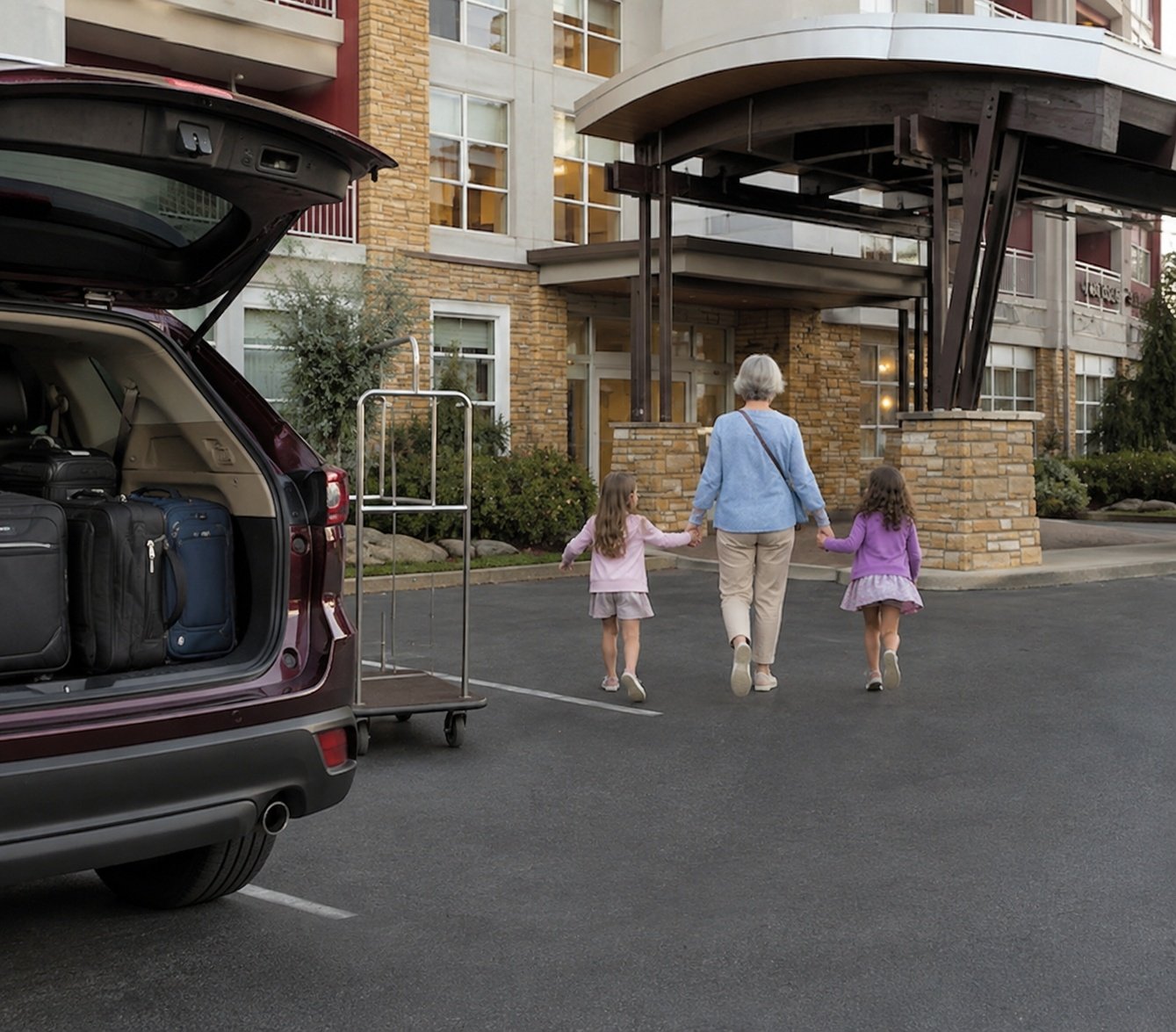
Courtyard by Marriott Gatlinburg Downtown
Set just off the Parkway on Airport Road, Courtyard by Marriott Gatlinburg Downtown offers a modern, convenient base for travelers who want to explore downtown Gatlinburg largely on foot. The hotel features contemporary rooms and suites, including balcony options, along with an indoor swimming pool, outdoor hot tub, fire pit, fitness center, and The Bistro for breakfast, evening meals, and drinks. Its location is particularly convenient for the Gatlinburg Convention Center and provides walkable access to restaurants, shops, the Space Needle, Ober Mountain Aerial Tramway, and many downtown attractions. On-site self-parking currently costs $15 per day, and breakfast is not complimentary, so both should be considered when comparing the total cost with nearby hotels. Courtyard also offers less Smoky Mountain character than Gatlinburg’s historic, riverfront, and resort-style properties. With its combination of modern accommodations, useful indoor amenities, Marriott Bonvoy participation, and downtown walkability, Courtyard is especially well suited to families, couples, convention visitors, and first-time travelers who want the hotel to serve as a comfortable base for exploring Gatlinburg and Great Smoky Mountains National Park.
Check Availablity
Fairfield Inn & Suites by Marriott Gatlinburg Downtown
Just steps from Ripley’s Aquarium of the Smokies, Gatlinburg Convention Center, and the Space Needle, Fairfield Inn & Suites by Marriott Gatlinburg Downtown offers a bright and modern stay in the heart of the action. Guests can enjoy a complimentary continental breakfast each morning, relax in the seasonal outdoor pool or hot tub, and unwind on the terrace or by the lobby fireplace. The hotel also features a fitness center, luggage storage, and convenient dry cleaning services. All 98 guest rooms come with premium bedding, air conditioning, free WiFi, and thoughtful extras like refrigerators, microwaves, and 50-inch LED TVs. Families will appreciate free infant and extra beds, while eco-conscious guests can take comfort in the use of LED lighting and recycling amenities. With rave reviews for its clean rooms, friendly staff, and walkable location, this Marriott property is a standout choice for your next Smoky Mountain getaway.
Buy Now
Gatlinburg River Inn
Just steps from Anakeesta, Ripley’s Aquarium of the Smokies, and SkyPark, Gatlinburg River Inn offers a relaxing stay with thoughtful amenities and scenic comfort. Guests enjoy a complimentary continental breakfast each morning, along with access to a seasonal outdoor pool, children’s pool, and a riverside terrace complete with firepit and hot tub for winding down after a day of exploring. Free in-room WiFi, self-parking, and laundry facilities make your stay even more convenient. The 58 guest rooms feature balconies, mini-fridges, microwaves, and air conditioning, with clean, comfortable spaces that reviewers consistently praise. With a 24-hour front desk, vending machines, and a smoke-free setting, Gatlinburg River Inn is a well-rounded choice for both families and couples looking to stay close to the action in downtown Gatlinburg.
Buy Now
Gatlinburg Town Square By Exploria Resort
Gatlinburg Town Square by Exploria Resorts places you right where the action is, just a short 10-minute stroll from top attractions like the Gatlinburg Convention Center and the Space Needle. Whether you’re looking to stay active at the fitness center or make a splash in the indoor or seasonal outdoor pools, this eco-certified resort has you covered. Kids will love their own dedicated pool, while adults can relax and unwind in the hot tub. Guests frequently rave about the welcoming staff and prime location.
Buy Now
Hampton Inn Gatlinburg Historic Nature Trail
Set just uphill from downtown on Historic Nature Trail, Hampton Inn Gatlinburg Historic Nature Trail offers a quieter base while keeping the Parkway within walking distance. The recently renovated hotel includes complimentary hot breakfast, free Wi-Fi, a heated indoor pool, connecting rooms, pet-friendly accommodations, EV charging, and a relaxing outdoor fire-pit area. A Gatlinburg Trolley stop is right outside, while the Convention Center and W.L. Mills Conference Center are nearby. Self-parking currently costs $15 per day. It is best suited to families, couples, convention visitors, and travelers who want convenient access to both downtown Gatlinburg and Great Smoky Mountains National Park without staying directly on the Parkway.
Check Availability Now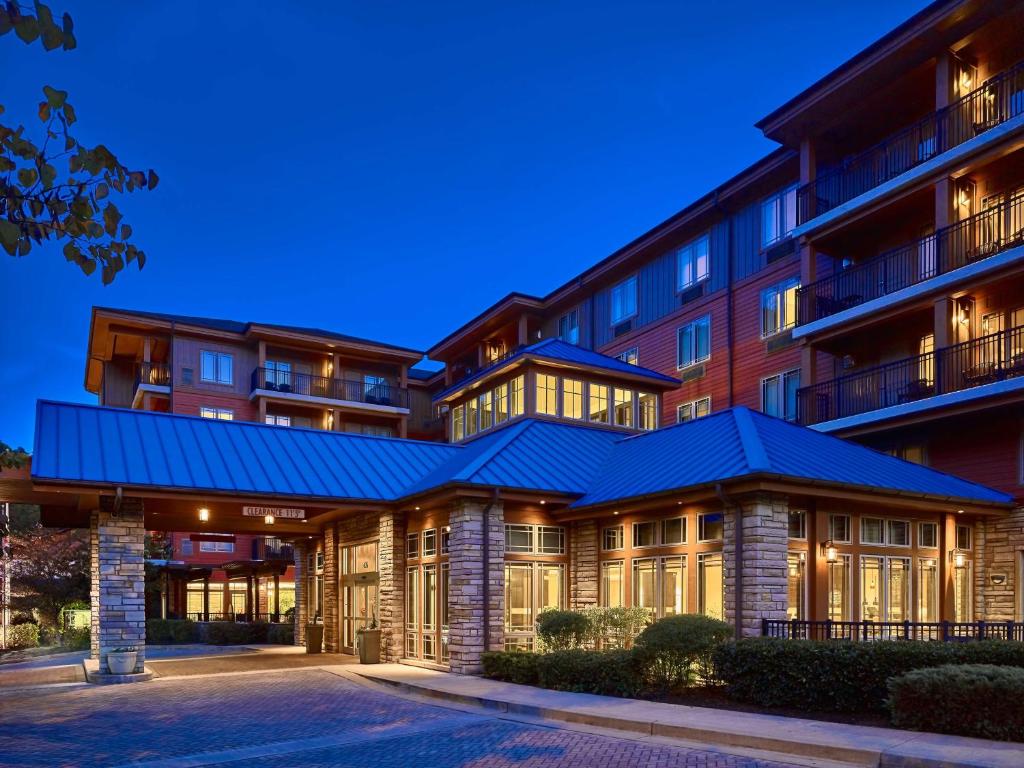
Hilton Garden Inn Gatlinburg
This pet-friendly, smoke-free hotel features free WiFi, an indoor pool and hot tub, on-site dining at the Garden Grille with a bar and happy hour, a fitness center, family-friendly amenities like in-room microwaves and refrigerators, free parking (including accessible options), cooked-to-order breakfast, a business center with over 1,100 sq ft of meeting space, laundry facilities, and convenient access to golf, tennis, hiking, and skiing, all in a five-story building built in 2009 with extensive accessibility features throughout.
Book Now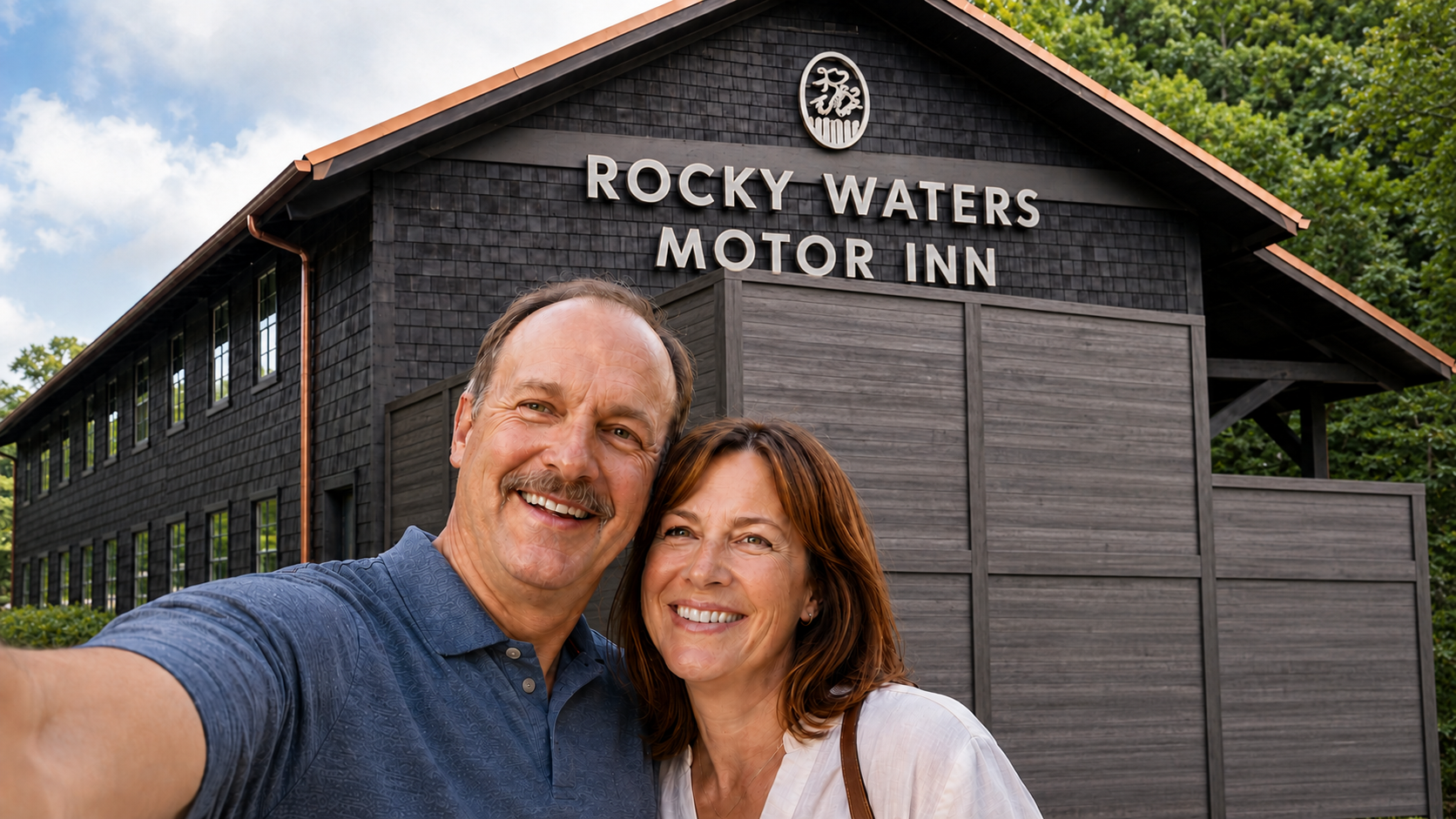
Historic Rocky Waters Inn
Newly remodeled in 2024, Historic Rocky Waters Inn, A Small Luxury Hotel offers upscale comfort just steps from Ripley’s Aquarium of the Smokies, Anakeesta, and SkyPark. This boutique retreat blends modern elegance with Gatlinburg charm, featuring a scenic terrace, outdoor entertainment space, and a cozy bar. Guests can enjoy breakfast or dinner at the on-site restaurant, The Heirloom Room, and stay connected with free in-room WiFi. Additional perks include free self-parking, concierge service, and express check-in/check-out for added convenience. Each guestroom is thoughtfully designed with premium bedding, air conditioning, and bathrobes, plus modern touches like 50-inch flat-screen TVs, workspaces, and balconies. With glowing reviews for its walkable location and attentive service, this small luxury stay is perfect for travelers seeking both style and substance in the Smokies.
Check Availability
Margaritaville Resort
Conveniently situated in the Gatlinburg part of Gatlinburg (TN), this property puts you close to attractions and interesting dining options. This 4-star property is packed with in-house facilities to improve the quality and joy of your stay.
Buy Now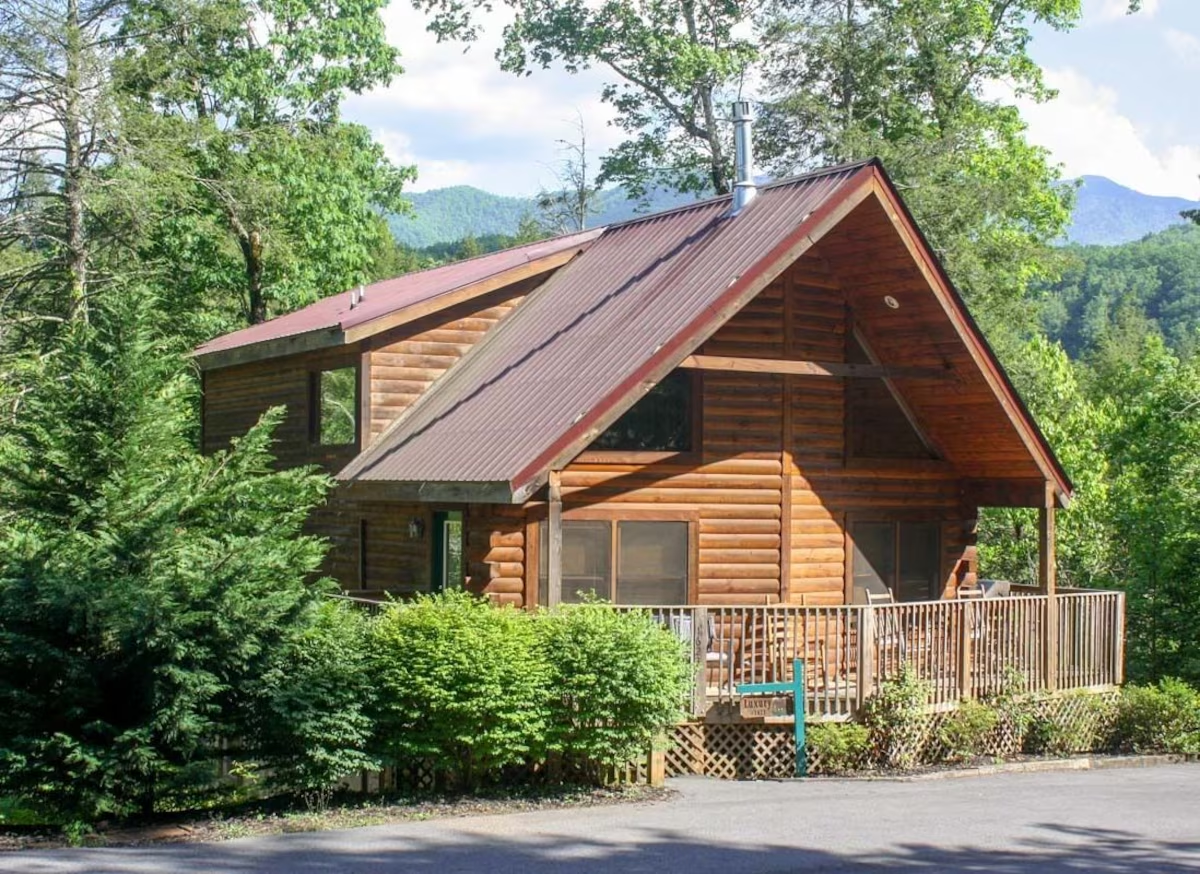
Mountain Shadow Resort & Rentals
Experience rustic luxury in the heart of the Smokies at Mountain Shadows Resort Rentals, where charming log cabins meet modern convenience. Whether you're planning a romantic honeymoon or a lively family reunion, this resort offers spacious accommodations complete with hot tubs, fireplaces, fully equipped kitchens, game rooms, and even gas/electric grills for cookouts under the stars. Guests can enjoy on-site amenities like a seasonal swimming pool, children’s playground, free high-speed WiFi, and pet-friendly options—making it easy for everyone to feel at home. Nestled adjacent to the Great Smoky Mountains National Park and conveniently located near the Gatlinburg trolley line, you're never far from scenic hikes, mountain views, and local attractions. While the resort holds an average rating of 3.1, many guests appreciate its peaceful setting and unique log-home atmosphere. With family rooms, non-smoking options, and features like whirlpool tubs and fireplaces, Mountain Shadows Resort invites you to unwind, explore, and make lasting memories in one of Gatlinburg’s most scenic spots.
Buy Now
River Edge Inn
Conveniently located near the Gatlinburg Convention Center, Gatlinburg Space Needle, and Ripley's Believe It or Not Museum, River Edge Inn offers a welcoming stay just steps from the action. Guests can start their day with a complimentary to-go breakfast, relax on the terrace, or unwind by the cozy lobby fireplace. The hotel features a seasonal outdoor pool and children’s pool with sun loungers, as well as a snack bar/deli, free self-parking, and high-speed in-room WiFi (50+ Mbps). Each guestroom is equipped with premium bedding, air conditioning, a private balcony, and essentials like a microwave, refrigerator, and 32-inch TV with premium channels. Families will appreciate extras like hypoallergenic bedding and available cribs, while guest reviews consistently praise the helpful staff and clean, comfortable rooms. Whether you're here for business or a mountain getaway, River Edge Inn delivers easy comfort in a prime downtown location.
Buy Now
River Terrace Resort and Convention Center
Just steps from Ripley’s Aquarium of the Smokies, Anakeesta, and SkyPark, River Terrace Resort & Convention Center offers comfort, convenience, and a touch of Southern hospitality in the heart of Gatlinburg. Guests enjoy a complimentary to-go breakfast each morning and can take advantage of an outdoor pool, free self-parking, and practical amenities like laundry facilities and a business center. The resort also offers concierge service, tour assistance, and express check-out to make your stay hassle-free. Each of the 205 rooms is equipped with air conditioning, flat-screen TVs, in-room safes, and free WiFi, along with bathrooms that feature hydromassage showers or tubs. With high marks for its friendly staff and central location, River Terrace is an ideal base for exploring the Smokies or attending events downtown.
Buy Now
Sidney James Mountain Lodge
Set against the scenic backdrop of the Smoky Mountains, Sidney James Mountain Lodge offers a warm, family-friendly retreat just minutes from Gatlinburg’s top attractions. Guests enjoy free WiFi, cozy rooms with flat-screen TVs, in-room coffee, air conditioning, and private balconies in select accommodations. Relax in style with access to three outdoor pools, a serene indoor pool, a kids' pool, and a soothing sauna—perfect after a day of exploring. On-site free parking adds convenience, while the Poolside Café, serving breakfast and lunch, makes grabbing a bite easy. Located near beloved local art galleries like Fowler’s Clay Works and the Great Smoky Arts & Crafts Community, Sidney James is more than just a place to stay—it’s a gateway to the charm and adventure of Gatlinburg. Pet-friendly and offering a variety of room types including suites, it’s a comfortable, value-rich option for families, couples, and explorers alike.
Book Now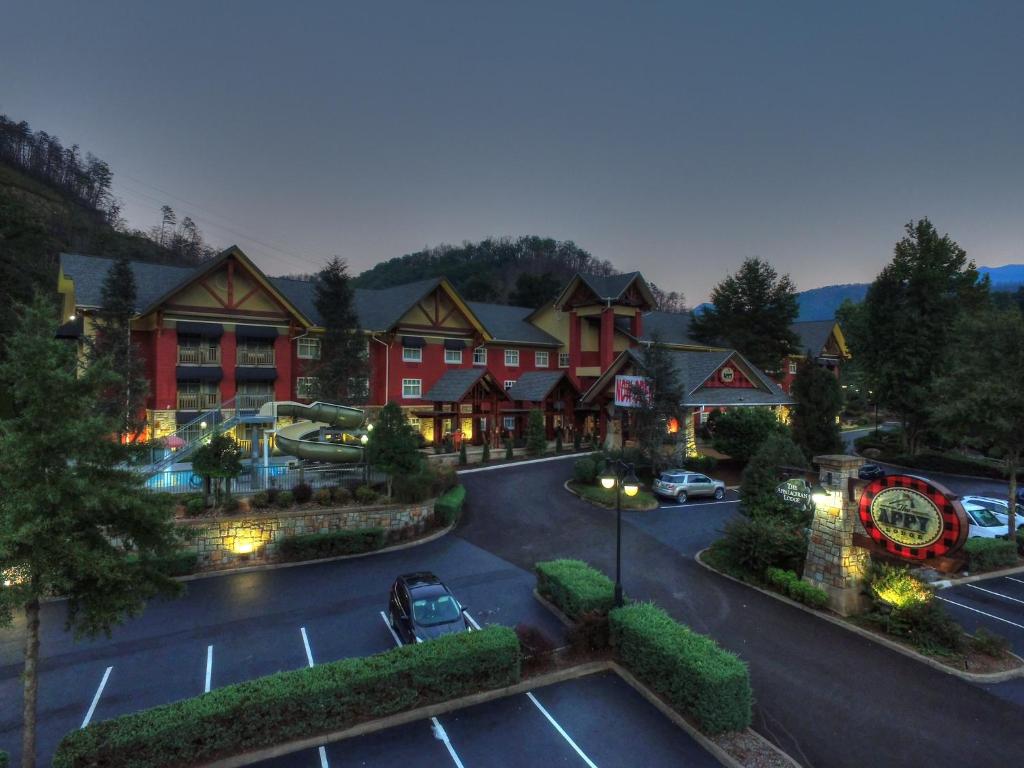
The Appy Lodge
Just a short distance from Anakeesta, Ripley’s Aquarium of the Smokies, and Ole Smoky Moonshine Distillery, The Appy Lodge offers a charming blend of comfort and convenience in the heart of Gatlinburg. Guests can unwind in the hot tub, enjoy a swim in either the seasonal outdoor pool or indoor pool, and stay active at the on-site gym. The hotel also features a terrace, business center, gift shop, and free self-parking. Each of the 101 rooms is designed with guest comfort in mind, offering premium bedding, air conditioning, free WiFi, and thoughtful amenities like flat-screen TVs, mini fridges, and microwaves. With laundry facilities, 24-hour front desk service, and tour assistance available, The Appy Lodge delivers a relaxed, welcoming stay just minutes from the area’s top attractions.
Buy Now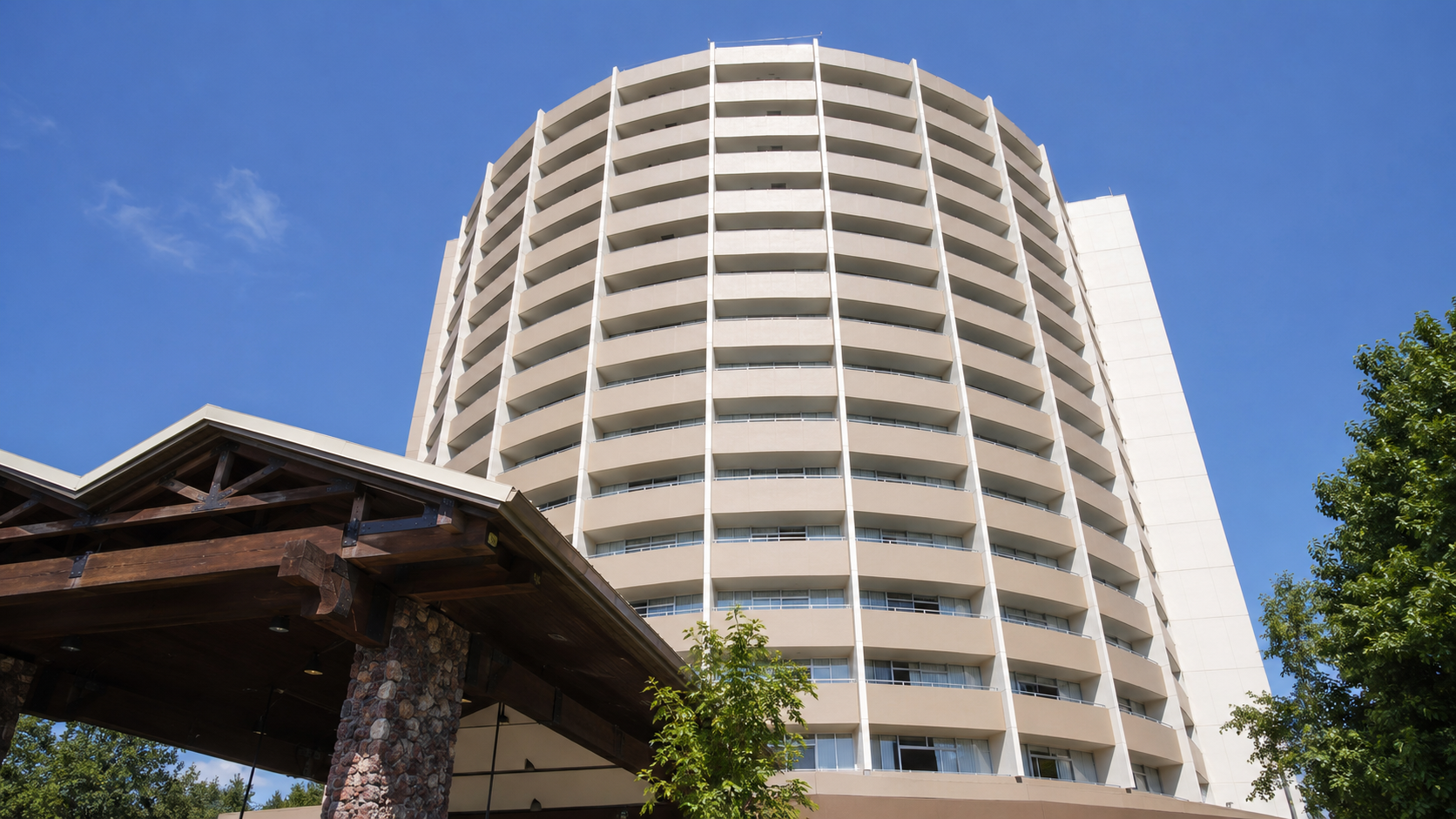
The Park Vista
Rising above downtown Gatlinburg on Cherokee Orchard Road, The Park Vista offers a quieter hillside stay with sweeping city and Smoky Mountain views. Families can enjoy the multi-level indoor pool complex with waterslides, a children’s area, and whirlpool, while several on-site dining options make breakfast, coffee, drinks, and relaxed evening meals convenient. Guest rooms include king, two-queen, and double-king configurations, with select rooms offering balconies and designated mountain or city views. Complimentary Wi-Fi, Hilton Honors benefits, connecting-room options, and a free Gatlinburg trolley stop at the hotel add practical value. Breakfast and self-parking cost extra, so compare the complete rate before booking. With its distinctive circular tower, full-service amenities, and separation from the Parkway crowds, The Park Vista is especially well suited to families, couples, and national park visitors who value scenery over immediate downtown walkability.
Check Availability Now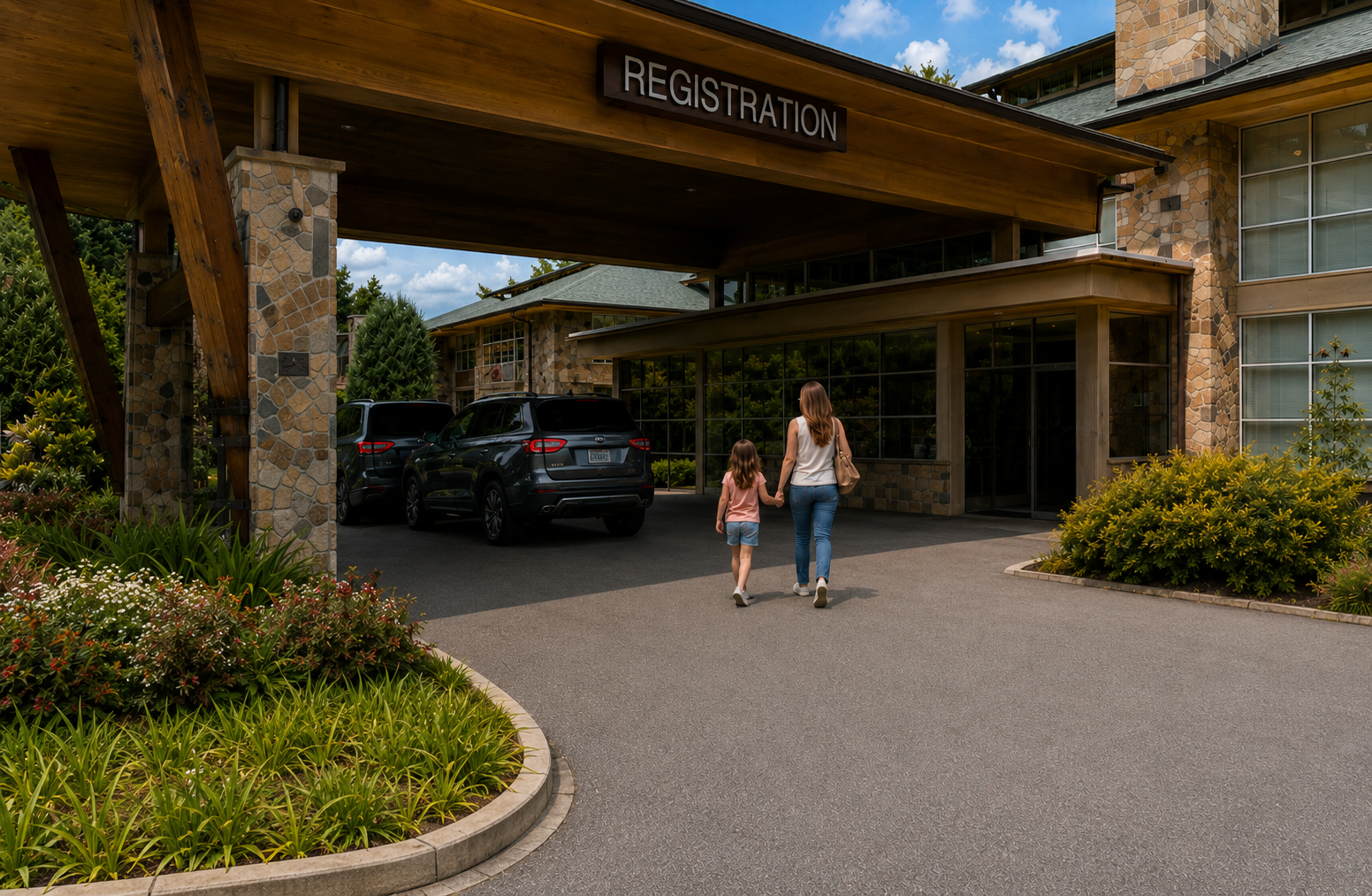
Greystone Lodge on the River
Set beside the river in the heart of downtown Gatlinburg, Greystone Lodge on the River offers an exceptionally convenient base beside Ripley’s Aquarium of the Smokies and just across the Parkway from Anakeesta. Guests receive complimentary breakfast, free self-parking, free Wi-Fi, and access to a seasonal heated outdoor pool with a waterslide. Every room includes a balcony or ground-floor patio, while selected riverfront rooms and suites add water views, fireplaces, soaking tubs, or family-friendly sleeping arrangements. A trolley stop at the hotel entrance provides another easy way to explore town. Greystone does not offer an indoor pool, spa, or on-site restaurant, and not every room overlooks the river, so check the exact room category before booking. With its walkable location, included essentials, and relaxed riverfront setting, Greystone is especially well suited to families, couples, and first-time visitors who want to leave the car parked and spend their holiday exploring Gatlinburg.
Check Availability Now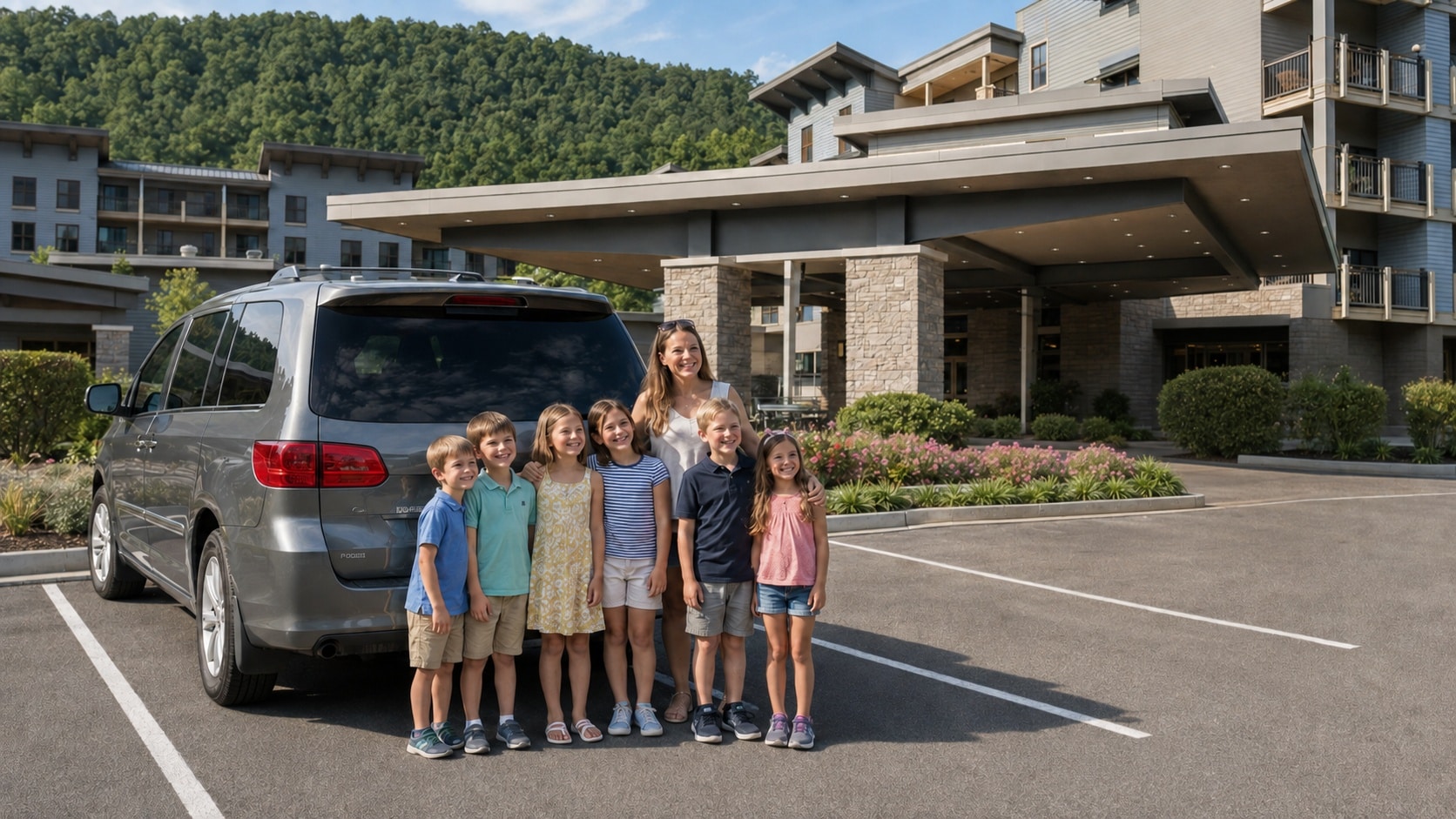
Embassy Suites by Hilton Gatlinburg Resort
Set less than half a mile from downtown Gatlinburg, Embassy Suites by Hilton Gatlinburg Resort offers a modern, family-focused stay near the Great Smoky Mountains National Park. Guests receive complimentary made-to-order breakfast, free Wi-Fi, and access to the nightly Evening Reception. Spacious accommodations, an indoor pool, and a seasonal outdoor pool complex with a lazy river and waterslide make the resort particularly appealing to families planning a multi-night stay. An on-site restaurant, bar, fitness centre, and pet-friendly rooms add further convenience. Embassy Suites is not directly on the Parkway, however, and the uphill return from downtown may prove tiring for young children or travellers with limited mobility. On-site self-parking also carries a nightly charge, while the lazy river and waterslide are seasonal. With its additional living space, included breakfast, and unusually strong pool facilities, Embassy Suites is best suited to families and larger groups who will use the amenities enough to justify the higher total price.
Check Availability Now
Old Creek Lodge
Set along a mountain stream on River Road, Old Creek Lodge offers a comfortable base between downtown Gatlinburg and the entrance to Great Smoky Mountains National Park. Every room includes a private stream-facing balcony, gas fireplace, mini-refrigerator, microwave, and Keurig coffee maker, giving the property more character and practicality than a typical downtown hotel. Guests also receive complimentary continental breakfast, free Wi-Fi, free on-site parking, and access to a heated seasonal outdoor pool. The western Parkway, Ober Mountain Aerial Tramway, and several restaurants and attractions are within walking distance, although destinations near Ripley’s Aquarium and Anakeesta require a longer stroll. Old Creek Lodge does not offer an indoor pool, restaurant, bar, spa, or extensive resort facilities, and pets are not permitted. Whirlpool tubs are available only in selected Spa room categories. With its creekside balconies, fireplaces, convenient location, and consistently strong guest feedback for cleanliness and service, Old Creek Lodge is particularly well suited to couples, small families, and park-focused travelers who prefer room atmosphere and walkability over resort-style extras.
Check Availability Now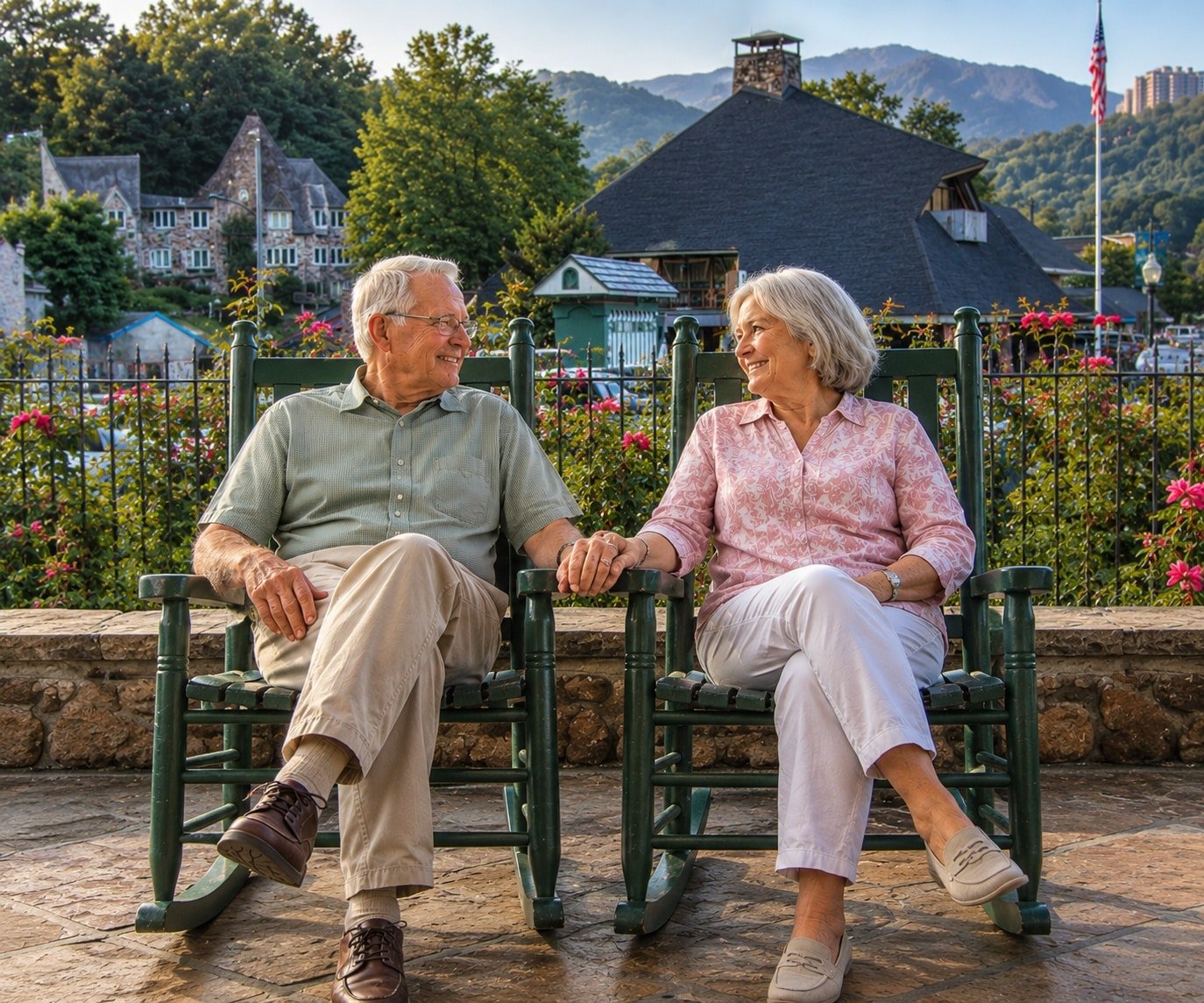
The Historic Gatlinburg Inn
Set directly on the Parkway in the heart of downtown, The Historic Gatlinburg Inn offers a characterful base beside Gatlinburg SkyPark and across from the Gatlinburg Space Needle. Guests receive a complimentary Southern hot breakfast, free Wi-Fi, free on-site parking, and access to a seasonal outdoor pool, along with inviting common areas featuring fireplaces, historic photographs, puzzles, and porch rocking chairs. Room layouts vary considerably, with options ranging from traditional standard rooms to corner rooms with wraparound balconies, family suites, parlor arrangements, Presidential Suites, and Room 388, where “Rocky Top” was written. Standard rooms do not automatically include a mini-refrigerator, microwave, or balcony, so guests should confirm the exact category before booking. The inn does not offer an indoor pool, hot tub, spa, fitness centre, full-service restaurant, or bar, and pets are not permitted. With its exceptional walkability, included parking and breakfast, authentic Gatlinburg history, and frequently praised hospitality, The Historic Gatlinburg Inn is particularly well suited to couples, families, music enthusiasts, and repeat visitors who value independent character over modern resort-style amenities.
Check Availability Now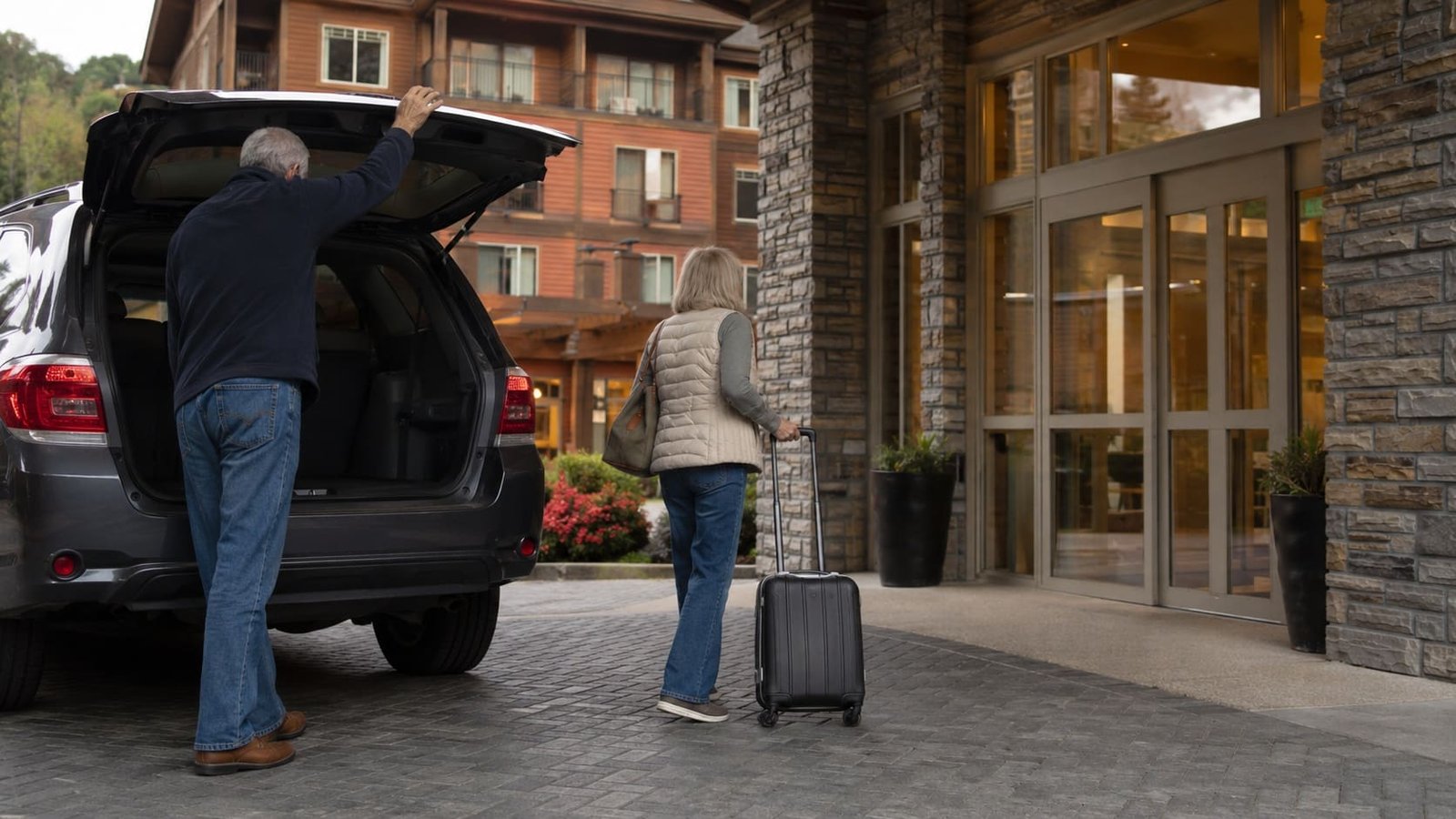
Hilton Garden Inn Gatlinburg
Set on River Road just off the busier Parkway, Hilton Garden Inn Gatlinburg offers a comfortable, walkable base near downtown and the Great Smoky Mountains. Rooms include microwaves, mini-refrigerators, and coffee makers, while selected categories add balconies, fireplaces, whirlpool tubs, or additional suite space. Guests also have access to an indoor saltwater pool, outdoor hot tub, courtyard fire pit, fitness center, and The Garden Grille & Bar. The hotel welcomes pets for an additional fee and participates in Hilton Honors. Breakfast is available but generally not complimentary, and on-site self-parking currently costs extra. It is best suited to couples and families who value dependable branded comfort and a slightly quieter downtown location.
Check Availability Now
Hampton Inn Gatlinburg
Set along LeConte Creek at 967 Parkway, Hampton Inn Gatlinburg offers a convenient downtown base near restaurants, attractions, and the Great Smoky Mountains. Rooms include mini-refrigerators, microwaves, and coffee makers, while selected categories add private balconies, creek views, or fireplaces. Guests also have access to complimentary hot breakfast, free Wi-Fi, an outdoor pool, hot tub, and fitness center. The hotel welcomes dogs and cats for an additional fee and participates in Hilton Honors. Covered parking is available, although on-site self-parking currently costs extra. It is best suited to couples, families, pet owners, and park visitors who value excellent Parkway walkability and a creek-side setting more than extensive resort-style amenities.
Check Availability Now
Hotel Indigo
Hotel Indigo Gatlinburg Downtown brings a more modern, boutique feel to the edge of downtown, with 136 rooms and a location that keeps restaurants and attractions within walking distance. Its standout feature is the seasonal heated rooftop infinity pool, joined by mountain views, a pool bar, and Altitude Restaurant & Rooftop Bar. Guests also have a lobby café serving Starbucks, fitness center, free Wi-Fi, EV charging, and dog-friendly accommodations. Self-parking currently costs $15 per day, and the rooftop pool operates seasonally from April 15 through October 31. It is best suited to couples and short-stay visitors who value walkability, contemporary rooms, and a rooftop atmosphere over the extra space and privacy of a cabin.
Check Availability Now


Winter Events Worth Planning Around
Winter in Gatlinburg isn’t just a season—it’s a series of distinct experiences. From the excitement of holiday celebrations to the peaceful rhythm that settles over town in January, choosing when you visit can shape your entire trip as much as deciding where to go.
Winterfest Lights
The Gatlinburg TN Winterfest season begins in mid-November and transforms downtown into one of the Southeast’s most enjoyable winter destinations. Millions of LED lights decorate the Parkway, River Road, bridges, and public spaces, creating an atmosphere that feels festive without requiring tickets or a rigid schedule.
Winterfest traditionally kicks off with the annual Gatlinburg Chili Cookoff, when part of the Parkway closes to traffic and local restaurants and chefs serve their signature recipes. If your trip happens to coincide with opening weekend, expect larger crowds—but also one of the town’s favorite annual traditions.
The lights remain illuminated through mid-February, making them just as enjoyable for January visitors as they are during December. I often recommend taking your evening walk after dinner, when the sidewalks become noticeably quieter and the cool mountain air makes the displays feel even more magical.
Holiday Celebrations & the Fantasy of Lights Christmas Parade
From Thanksgiving through Christmas, Gatlinburg becomes a true mountain holiday town. Nearly every storefront, attraction, and restaurant embraces the season with decorations, music, and festive displays.
If you’re planning a December visit, pay close attention to the calendar. The Fantasy of Lights Christmas Parade, held on the first Friday in December, attracts tens of thousands of spectators and dramatically changes traffic throughout downtown. If you’re attending the parade, plan to have your car parked by late afternoon and expect to spend the evening on foot. If large crowds aren’t your style, consider visiting the following week instead, when the decorations remain but the Parkway becomes much easier to enjoy.
December is also one of the busiest times for Gatlinburg’s most popular restaurants. Reserving dinner several weeks in advance can save a great deal of waiting on cold evenings.
New Year’s Eve in Gatlinburg
New Year’s Eve brings an entirely different energy to town. Visitors gather around the Gatlinburg Space Needle for the city’s annual New Year’s Eve Ball Drop and Fireworks Show, creating one of the largest celebrations in the Smokies.
If you enjoy lively crowds, live entertainment, and a festive atmosphere, this can be an unforgettable weekend. If you’re hoping for a peaceful mountain retreat, however, another winter weekend may suit you better. Downtown hotels often sell out months in advance, traffic becomes extremely heavy throughout the afternoon, and restaurants fill quickly.
The easiest way to enjoy New Year’s Eve is to stay within walking distance of the Parkway. Once you’ve parked, there’s little reason to move your vehicle again until it’s time to head home.
Why January Is the Ultimate Hidden Gem
If someone asked me the best time to enjoy a true winter vacation in Gatlinburg, I’d probably answer with the second or third week of January.
Once the holiday crowds leave, the town settles into a slower rhythm that many repeat visitors quietly prefer.
Why January works so well:
- Lower hotel and cabin rates compared with holiday weeks.
- Shorter waits at many restaurants and attractions.
- Easier parking throughout downtown.
- Clearer long-distance mountain views thanks to crisp winter air and leafless forests.
- A relaxed pace that makes it easier to enjoy the scenery instead of rushing between attractions.
There is one important exception. Martin Luther King Jr. Weekend typically brings a noticeable increase in visitors as winter sports enthusiasts head to Ober Mountain. If your travel dates fall on that holiday weekend, book lodging early and expect larger crowds than you’ll find during the surrounding weeks.
It’s also worth checking operating hours before setting out each morning. While Gatlinburg’s major attractions, classic restaurants, and Great Smoky Mountains National Park remain open throughout winter, some independent shops, specialty restaurants, and smaller businesses reduce their hours or close on select weekdays during January.
For travellers who enjoy quiet mornings, peaceful mountain roads, and time to appreciate the landscape, January may be Gatlinburg’s best-kept secret.
Frequently Asked Questions
How often does it snow in downtown Gatlinburg?
Gatlinburg does receive winter snow, but accumulation on the downtown valley floor is unpredictable. December often brings cold rain with occasional flurries, while January and February usually offer the best chance of seeing snow. Even then, downtown may only receive a light coating while higher elevations look completely transformed.
The key is elevation. It can be raining on the Parkway while Newfound Gap, Ober Mountain, or other higher areas are seeing snow. If snow is an important part of your trip, keep your itinerary flexible and watch higher-elevation conditions rather than relying only on the downtown forecast.
Is Ober Mountain worth visiting?
For families, couples, and casual winter travellers, yes. Ober Mountain is Tennessee’s only ski and snowboarding area, and it offers more than the slopes. Snow tubing, indoor ice skating, The Snow Zone, the mountain coaster, and the Gatlinburg Aerial Tramway make it one of the most complete winter attractions near town.
The most important planning tip is snow tubing. These timed sessions can sell out well in advance on winter weekends and holidays, so do not assume you can arrive at the tram terminal in January and get an afternoon slot. Buy tubing tickets early if that is a must-do for your group.
Is winter hiking safe in the Great Smoky Mountains?
Winter hiking can be safe and rewarding, but it depends on your trail choice, gear, and willingness to turn around when conditions change. Lower-elevation walks such as Cataract Falls behind Sugarlands Visitor Center are often manageable, while higher routes can become slick from frozen runoff, shaded ice, and falling icicles.
Alum Cave Trail is the classic cautionary example. In winter, the bluffs can develop dramatic icicles, and the trail beneath them may freeze into hard sheets of ice. If you plan to hike higher trails, carry traction cleats or microspikes, check current conditions, and do not push onward if the trail becomes unsafe.
Which Smoky Mountain roads close for the winter season?
Several scenic roads close seasonally in Great Smoky Mountains National Park. Kuwohi Road, formerly Clingmans Dome Road, and Roaring Fork Motor Nature Trail typically close to vehicles beginning December 1 and reopen in late March or early April, depending on conditions.
Primary routes such as Newfound Gap Road and Little River Road remain open year-round when weather allows, but snow, ice, high winds, or flooding can cause temporary closures. Cades Cove Loop Road usually remains open, but it operates on winter hours and can close after heavy rain or ice. Before driving into the park, check the park’s live road status updates so you do not waste daylight heading toward a closed gate.
How many days do you need for a Gatlinburg winter vacation?
Three days is a good baseline for a winter trip to Gatlinburg. A long weekend gives you time for one major winter attraction, one scenic drive or gentle hike in the national park, and one relaxed evening downtown without feeling overly rushed.
Four or five days is better if you want flexibility. Winter weather can shift quickly, and extra time lets you move outdoor plans to the clearest day instead of forcing a scenic drive or hike into poor conditions.
Is January less crowded than December?
Yes, January is usually much less crowded than December. December brings holiday travellers, Winterfest lights, the Fantasy of Lights Christmas Parade, Christmas week crowds, and New Year’s Eve visitors gathering near the Gatlinburg Space Needle.
Once those crowds leave, the second and third weeks of January often feel wonderfully calm. Lodging rates are usually lower, restaurant waits are shorter, and national park overlooks feel far more peaceful. The main exception is Martin Luther King Jr. Weekend, when winter sports traffic to Ober Mountain creates a noticeable short-term crowd spike.
Final Thoughts: Embrace the Slower Rhythm of the Smokies
Winter has a way of revealing the true character of the Smoky Mountains. It isn’t a season that rewards rushing from one attraction to the next. Instead, it rewards travelers who leave room for changing weather, quiet overlooks, and the simple pleasure of lingering a little longer than planned.
Some of the most memorable moments of a Gatlinburg cabin vacation are never listed on an itinerary. You might wake to fog weaving through the valleys before sunrise, catch fresh snow dusting the highest ridges while downtown remains dry, or find yourself sitting beside a crackling fireplace after a day exploring the park. Those moments can’t be scheduled, but they happen surprisingly often when you allow yourself the flexibility to experience winter in the Smoky Mountains instead of trying to control it.
I’ve found that winter asks very little of its visitors. Dress warmly. Start your mornings a bit earlier when the skies are clear. Finish mountain drives before the afternoon shadows settle across the ridges. Most importantly, leave space in your plans for the unexpected. A road closure may lead you to an even better scenic drive. A passing snow shower may create the best photographs of your trip. A quiet morning in town may become the memory you talk about long after you’ve returned home.
If this is your first winter visit, don’t worry about seeing everything. Gatlinburg isn’t a destination that rewards checking attractions off a list. It rewards curiosity, flexibility, and slowing down long enough to appreciate a season many travelers overlook.
🗺️ Continue Planning Your Gatlinburg Winter Getaway
Whether you’re still building your itinerary or simply looking for more local recommendations, these guides will help you plan with confidence.
Things To Do In Gatlinburg
Looking for more attractions, scenic drives, hiking trails, restaurants, seasonal events, and local favorites? Our complete Things To Do In Gatlinburg guide brings everything together to help you build the perfect itinerary no matter when you visit.
Where to Stay in Gatlinburg
The right accommodations can completely change your winter trip. Whether you’re dreaming of a secluded mountain cabin with a fireplace and hot tub or a downtown hotel within walking distance of the Parkway, our comprehensive Where to Stay in Gatlinburg guide will help you choose the best basecamp for your Smoky Mountain adventure.
Wherever your plans take you, I hope this Gatlinburg travel guide helps you experience the quieter side of the Smokies—the side that rewards patience, curiosity, and travelers who are willing to slow down long enough to truly enjoy it.
